
Nemolizumab Shows Lasting Relief for Atopic Dermatitis Over 3 Years
Why this matters
Itchy, red, or broken skin from atopic dermatitis (eczema) can make sleep, work, and daily life hard. New long-term results on a medicine called nemolizumab, sold as Nemluvio, were shared at the 2026 European Academy of Dermatology and Venereology meeting and may be of interest to people with moderate to severe eczema. The company that makes the drug reported that patients kept seeing benefits for up to three years in a long-term study (Source: Galderma press release).
What is nemolizumab and how does it work?
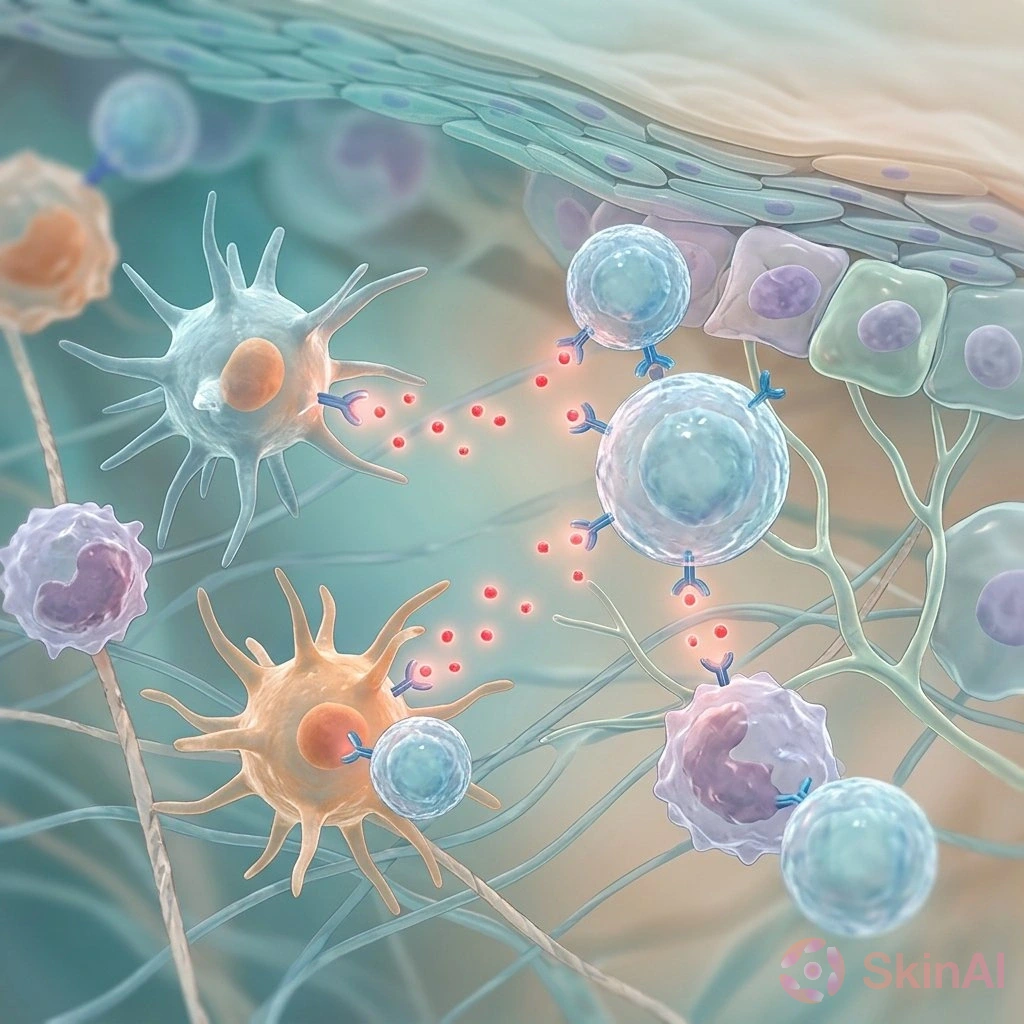
Nemolizumab is a type of biologic medicine called a monoclonal antibody. It targets the IL-31 receptor alpha, which is part of a signaling pathway linked to intense itching, inflammation, and problems with the skin barrier. By blocking that receptor, the drug aims to reduce itch and related skin symptoms (Source: Galderma press release).
In the United States, the Food and Drug Administration has approved nemolizumab for adults with prurigo nodularis, a condition that causes hard, itchy bumps, and for people aged 12 and older with moderate to severe atopic dermatitis. For eczema, it is approved to be used alongside prescription creams such as topical corticosteroids or calcineurin inhibitors when those creams alone do not control symptoms (Source: Galderma press release).
What the long-term ARCADIA study found
The ARCADIA long-term extension study (LTE) followed people aged 12 and up who have moderate to severe atopic dermatitis. This open-label study is continuing on for as long as about 200 weeks, and results through week 152 (about three years) were presented at the conference (Source: Galderma press release).
Here are the key reported outcomes at week 152. The company used “up to” when reporting these numbers, and the release did not include exact group sizes or full breakdowns, so interpret them with that in mind (Source: Galderma press release):
- Up to 91% of patients reached EASI-75, meaning a 75% or greater improvement on the Eczema Area and Severity Index, a standard measure of eczema severity.
- Up to 75% reached EASI-90, or a 90% or greater improvement.
- Up to 67% achieved an IGA score of 0 or 1, which means their skin was judged clear or almost clear by investigators.
Because the extension was open-label (everyone knew they were getting the drug) there is no placebo comparison at this long timepoint. For context, the earlier double-blind ARCADIA 1 and ARCADIA 2 trials that led to approval found EASI-75 rates of 44% and 42% at week 16 with nemolizumab plus topical therapy (Source: Silverberg et al., 2024).
Itch, sleep, quality of life, and safety
The company also reported improvements in symptoms that matter day to day (Source: Galderma press release). At week 152:
- Up to 88% of patients had clinically meaningful itch relief, and up to 73% were itch-free or nearly itch-free.
- Up to 92% reported clinically meaningful improvement in dermatology-related quality of life.
Separate analyses from the ARCADIA and OLYMPIA extension studies suggested that nemolizumab was linked to better sleep, and that sleep problems were closely tied to how bad the itch and skin lesions were (Source: EADV presentations). A descriptive analysis of the OLYMPIA LTE study also reported sustained benefits in prurigo nodularis for itch, pain, sleep disturbance, and quality of life through week 148 (Source: Galderma press release).
Regarding safety, the company said the three-year findings were consistent with earlier reports and that no new safety signals appeared. The press release did not include specific rates for side effects or how many people stopped treatment, so full safety details were not reported in that announcement (Source: Galderma press release). A separate post hoc poster analysis described the skin-related safety profile as favorable and generally well tolerated over two years in both atopic dermatitis and prurigo nodularis (Source: Galderma press release).
How to read these results
These long-term results are encouraging for people who struggle with severe itch and skin disease, but there are important caveats. The three-year data come from an open-label extension run by the drug company, and the public report used “up to” percentages without detailed breakdowns. That means the numbers should be seen as promising but not definitive proof that everyone will see the same benefits. The earlier randomized trials provide stronger controlled evidence for shorter-term effects (Source: Silverberg et al., 2024; Galderma press release).
What this might mean for you
If topical creams and other standard treatments are not enough, nemolizumab may be one of the options your dermatologist discusses for reducing intense itch and improving sleep and quality of life. Because it is a prescription biologic with specific approvals and usage guidance, treatment decisions should be made with your doctor or dermatologist, who can weigh benefits, risks, and other available treatments (Source: Galderma press release).
Tracking visible changes
If you are monitoring your eczema, keeping a simple photo diary and noting symptoms like itch level and sleep disturbance can help you and your clinician see whether a treatment is making a difference over time. This is just a way to document changes, not a substitute for medical evaluation.
When to see a doctor
Talk to a doctor or dermatologist if you have rapidly worsening rash, signs of infection (increasing pain, warmth, pus, or fever), heavy bleeding, sudden new symptoms, or if your current treatment is not controlling symptoms well. If you are considering or are on a biologic medicine, regular medical follow-up is important to monitor effectiveness and possible side effects.
Disclaimer
This article explains study findings and company reports in plain language. It is not medical advice. Treatment decisions should be made with a qualified health professional.
Sources
- Galderma press release. EADV 2026: Galderma’s new data show sustained improvements with Nemluvio (nemolizumab) for up to three years in patients with moderate-to-severe atopic dermatitis. Published September 29, 2026. (Source: Galderma press release)
- Silverberg JI, Wollenberg A, Reich A, et al. Nemolizumab with concomitant topical therapy in adolescents and adults with moderate-to-severe atopic dermatitis (ARCADIA 1 and ARCADIA 2): results from two replicate, double-blind, randomised controlled phase 3 trials. 2024;404(10451):445-460. doi:10.1016/S0140-6736(24)01203-0. (Source: Silverberg et al., 2024)
- Silverberg JI, et al. Long-term safety and efficacy (up to 152 weeks) of nemolizumab in ARCADIA open-label long-term extension study in adults and adolescents with moderate-to-severe atopic dermatitis. Presented at: European Academy of Dermatology and Venereology Congress; September 30–October 3, 2026; Vienna, Austria. (Source: EADV presentation)
- Legat FJ. Comparative effects of itch, skin lesion severity and nemolizumab on sleep disturbance in atopic dermatitis and prurigo nodularis. Presented at: European Academy of Dermatology and Venereology Congress; September 30–October 3, 2026; Vienna, Austria. (Source: EADV presentation)