Herpes Zoster (ICD-10: B02) 🚨
Herpes Zoster (Shingles): Viral Neurological Skin Disease with Painful Manifestations
Overview
Herpes zoster, commonly known as shingles, is an acute viral disease that primarily affects the nervous system, the skin, and sometimes the mucous membranes. It is characterized by severe localized pain, a distinctive vesicular skin rash, and the potential for long-term neurological complications, such as postherpetic neuralgia. The condition occurs most frequently in adults and older individuals but can affect anyone who has previously had chickenpox (varicella).
The disease is considered a reactivation of latent varicella-zoster virus (VZV), the same virus responsible for chickenpox. After the initial infection, the virus remains dormant in the nerve ganglia, often for decades. The virus can later reactivate, travelling along sensory nerves and producing the characteristic shingles rash in the affected dermatome. The two established risks for that happening are increasing age and immunosuppression, both of which weaken the cell-mediated immunity that holds the virus in check. Stress, trauma, recent surgery and intercurrent illness are often blamed, but none is established as a cause.
Etiology
Herpes zoster is caused by the varicella-zoster virus (VZV), a member of the herpesvirus family (Herpesviridae). Following a primary infection (usually in childhood as chickenpox), the virus enters a latent phase in the sensory nerve ganglia. The endogenous reactivation of this latent virus triggers shingles.
Risk factors that contribute to VZV reactivation include:
- Increasing age: Risk rises sharply after the age of 50;
- Weakened immune system: HIV/AIDS, cancer, organ transplantation, or immunosuppressive therapy;
- Psychological or physical stress;
- Chronic illnesses: Diabetes, renal failure, or autoimmune conditions;
- Recent trauma or surgical intervention in the area of the affected dermatome.
VZV reactivation is not typically spread to others as shingles per se. However, direct contact with fluid from shingles blisters can transmit the virus to a non-immune individual, resulting in chickenpox, not shingles.
Clinical Manifestations
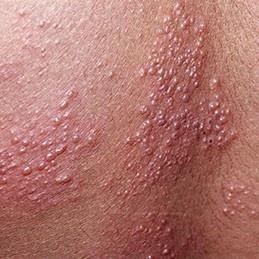
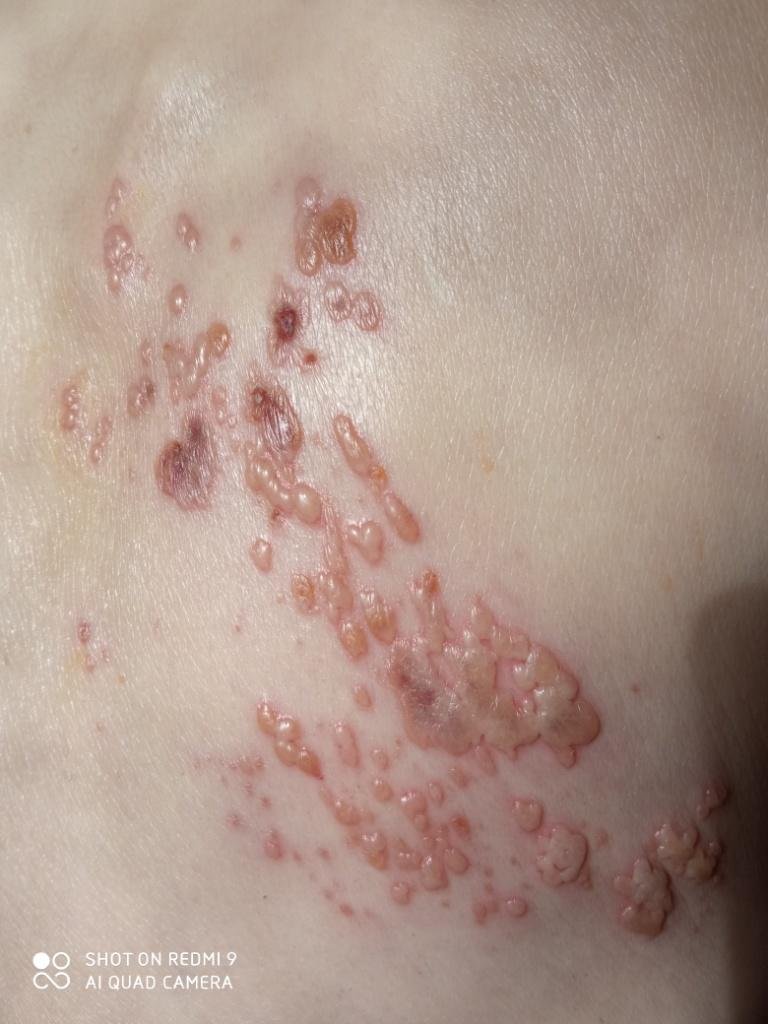
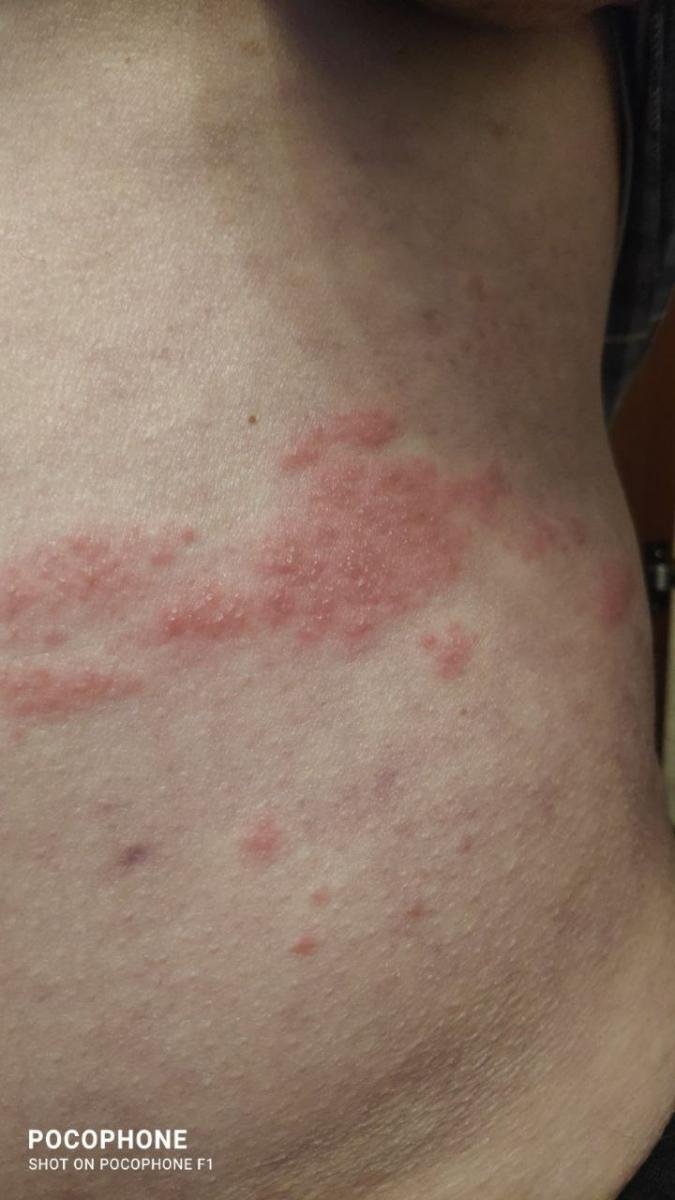
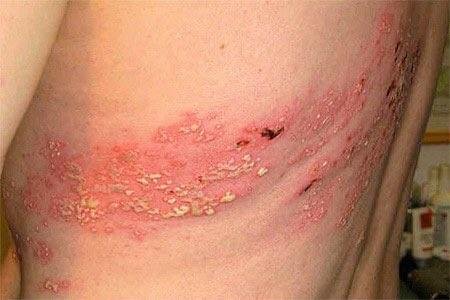
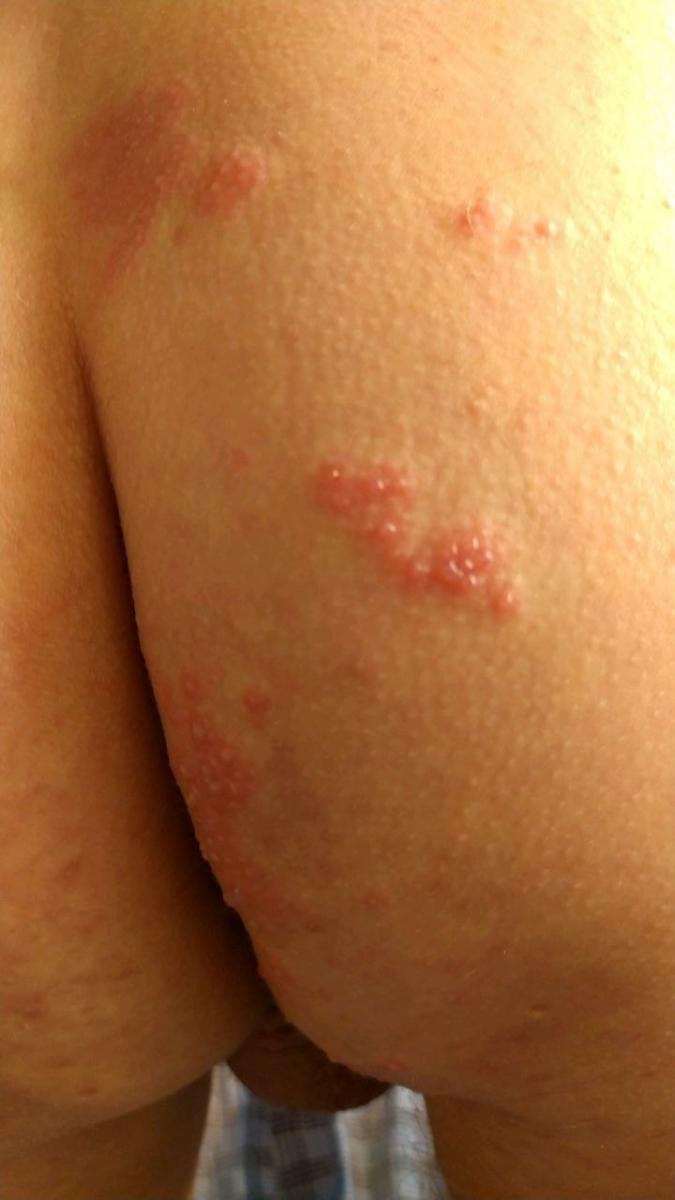
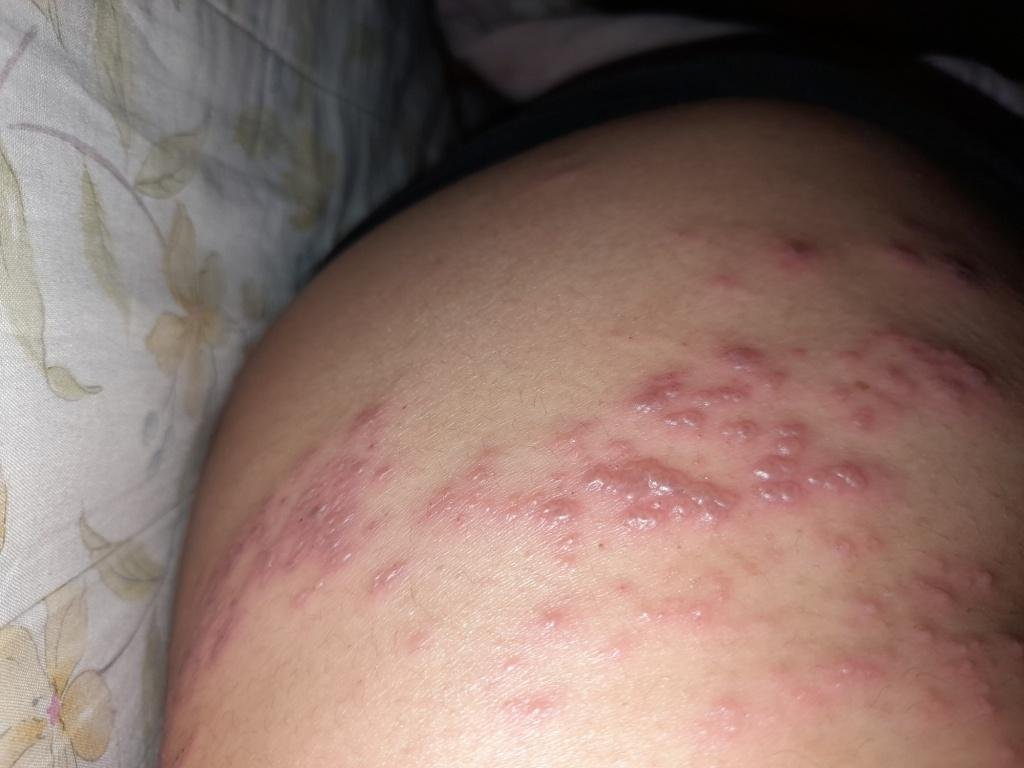
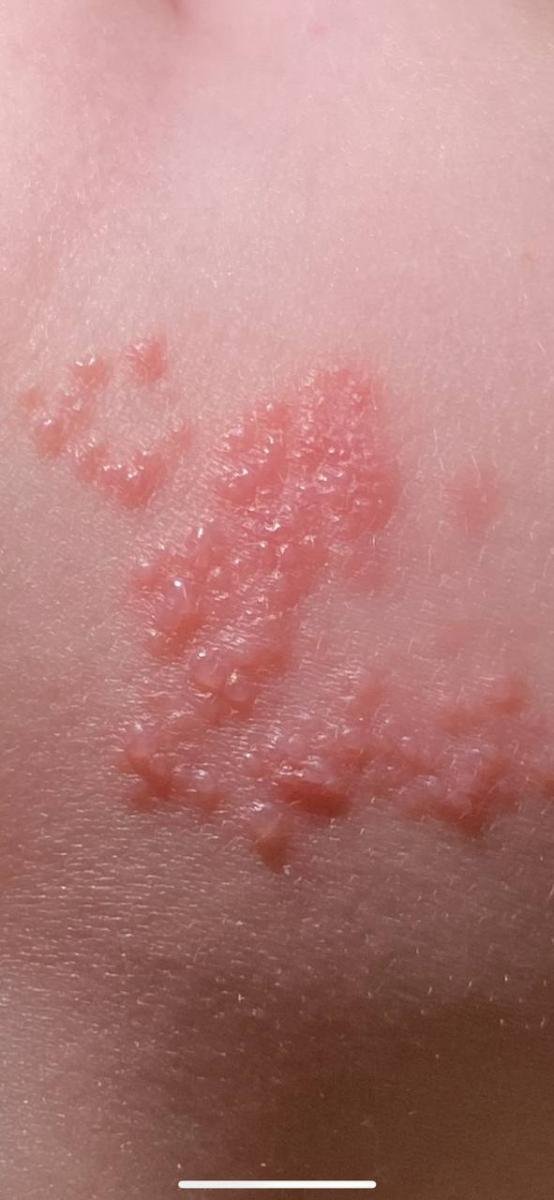
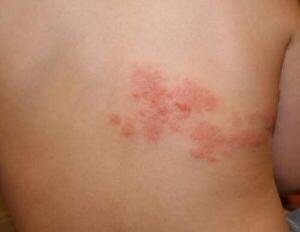
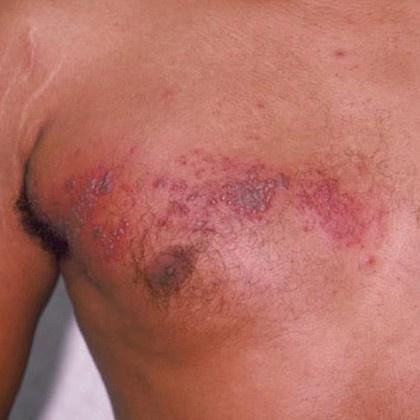
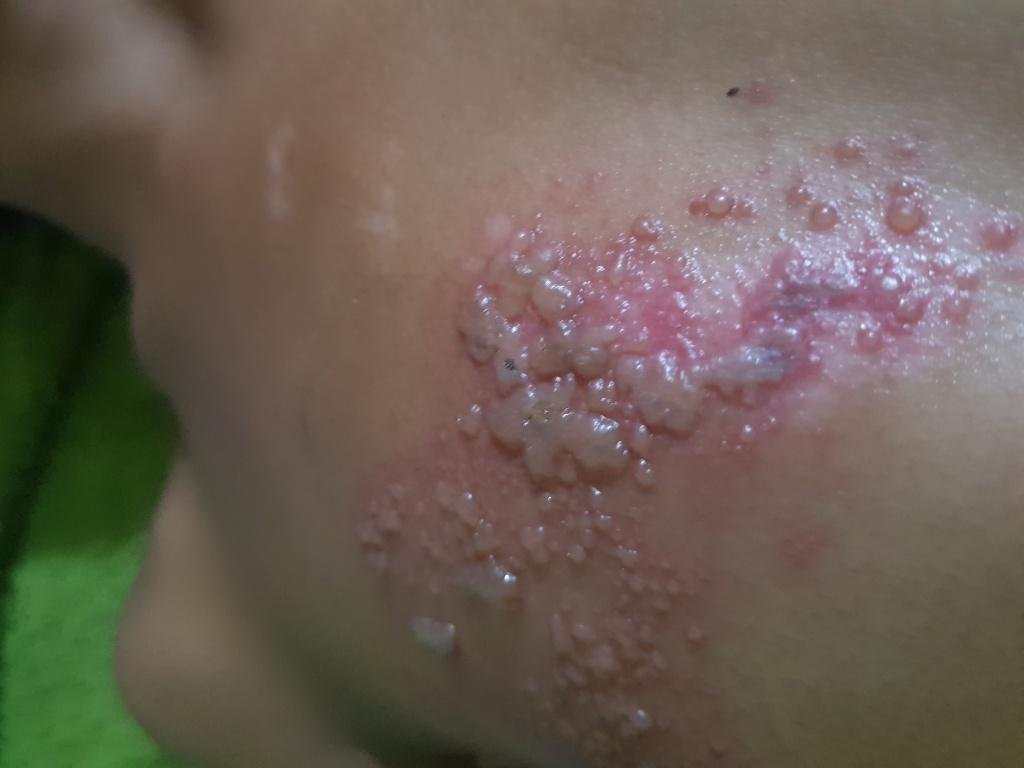
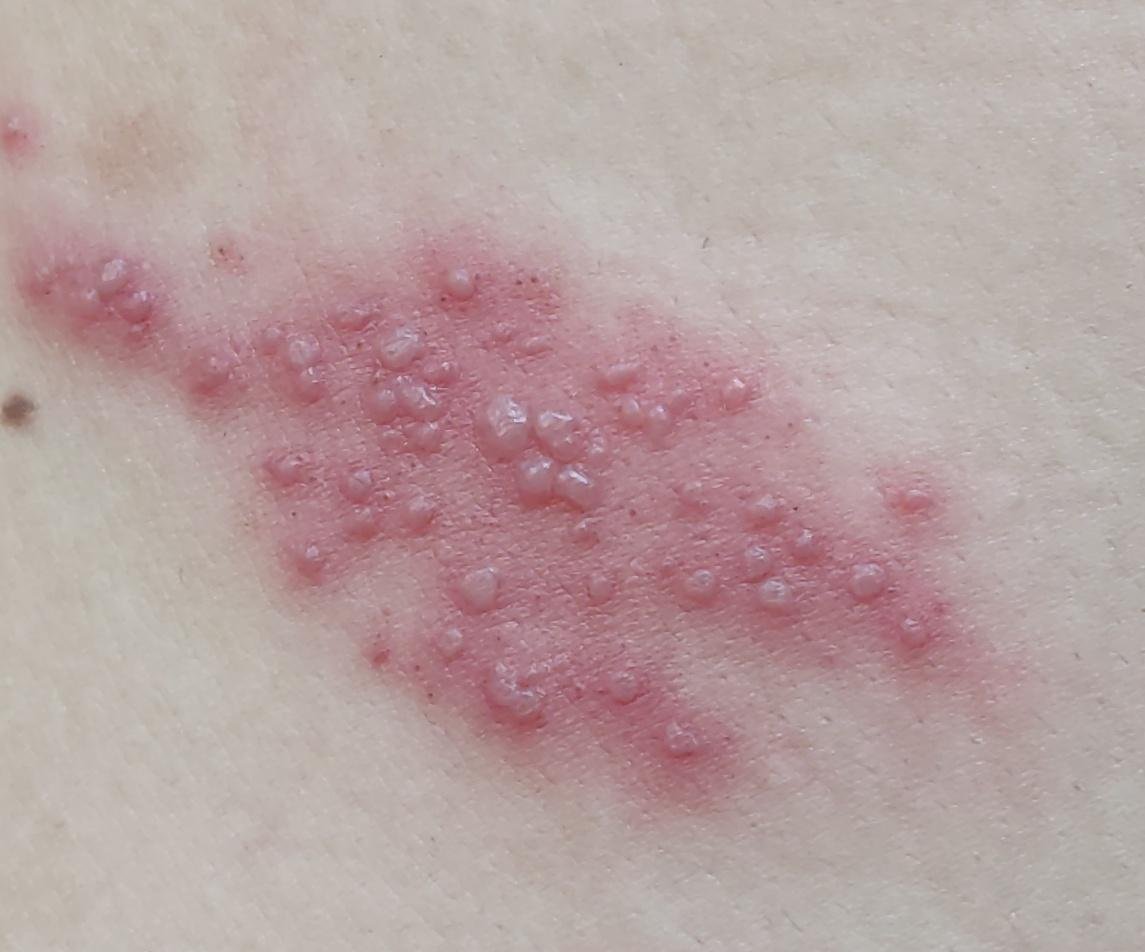
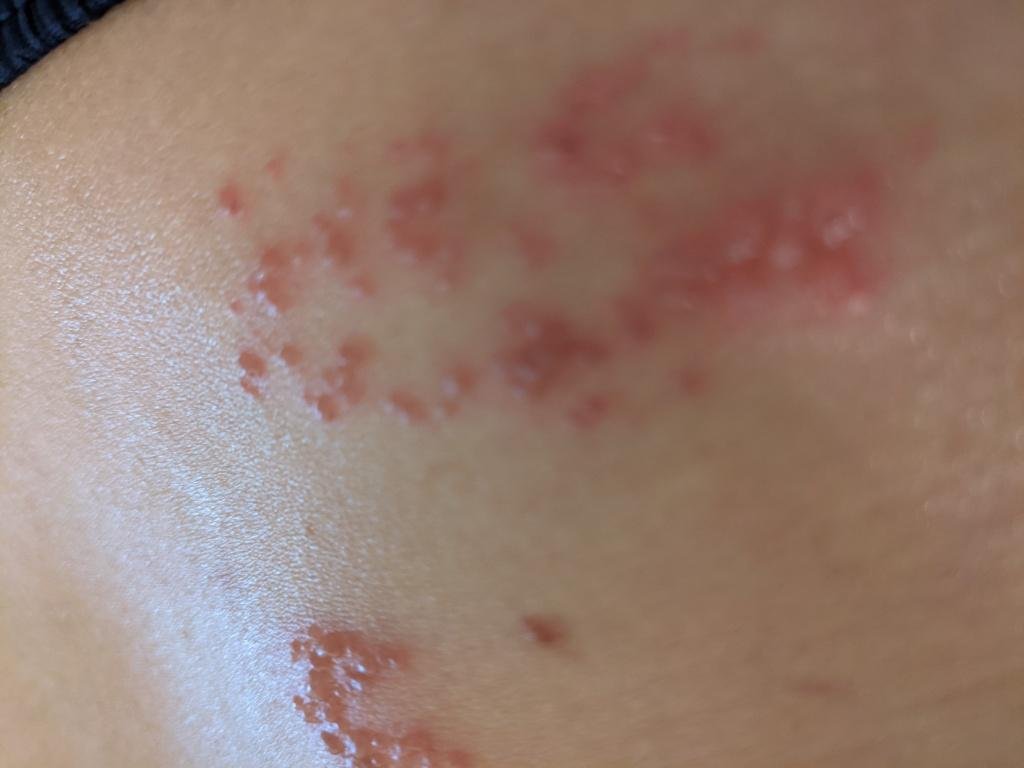
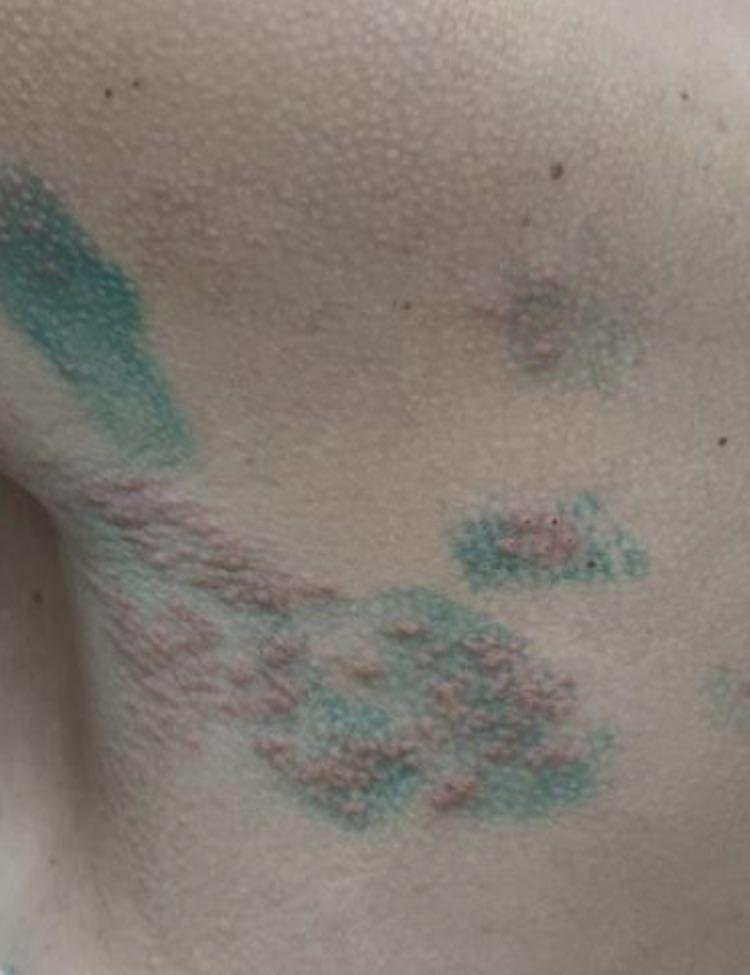
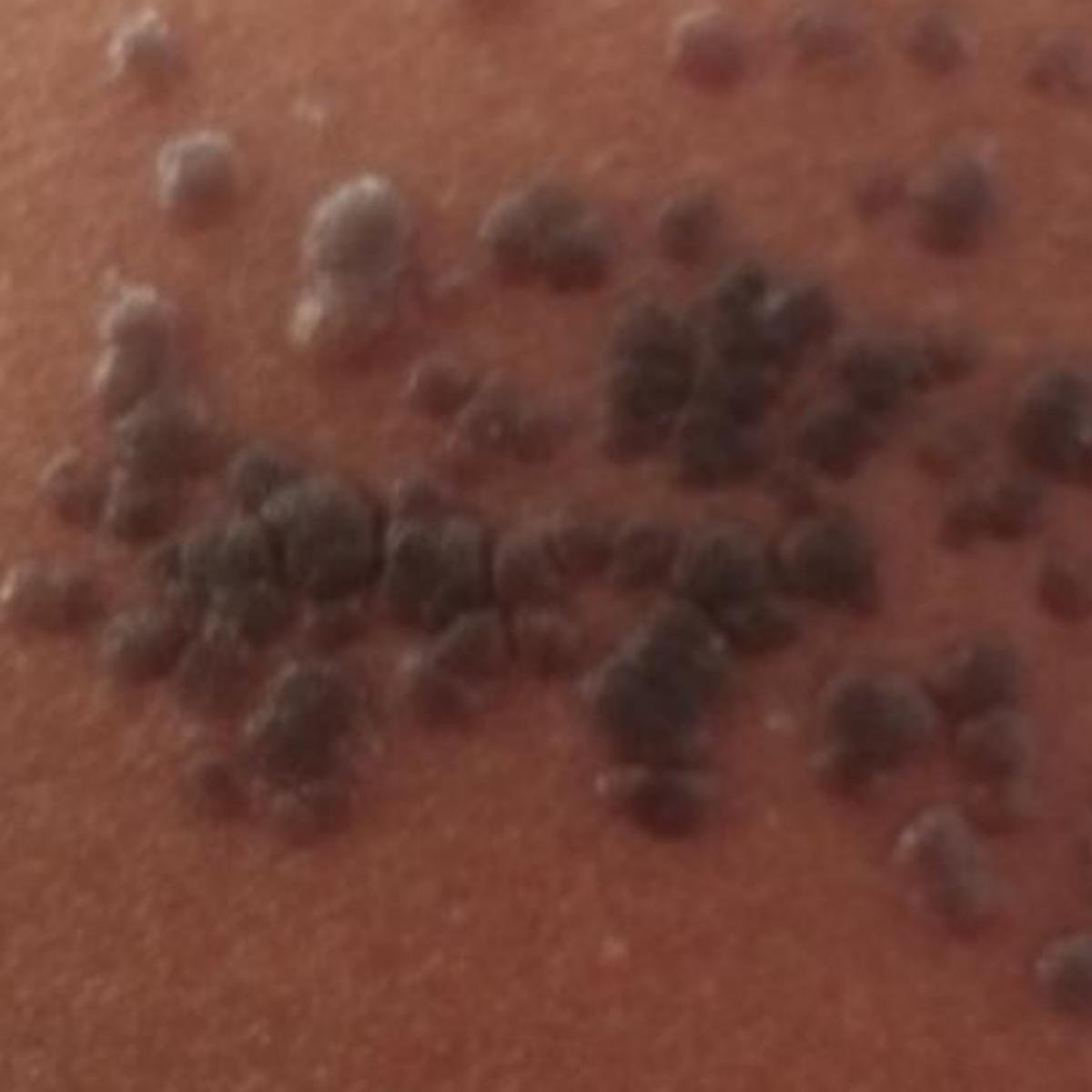
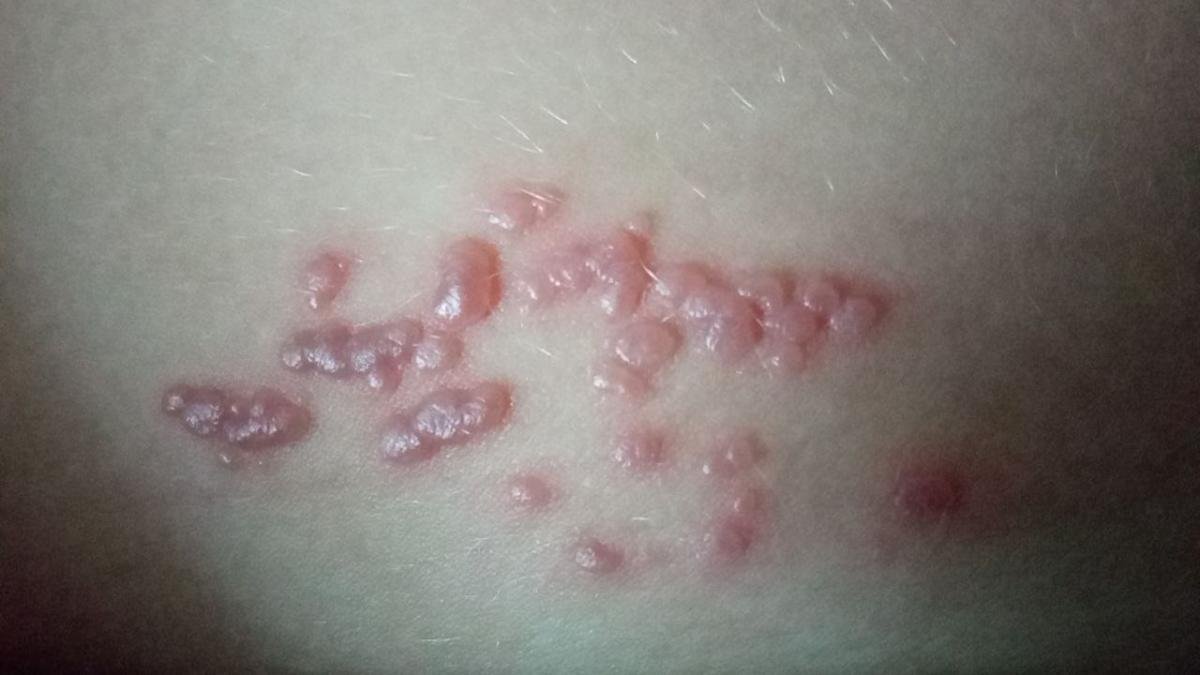
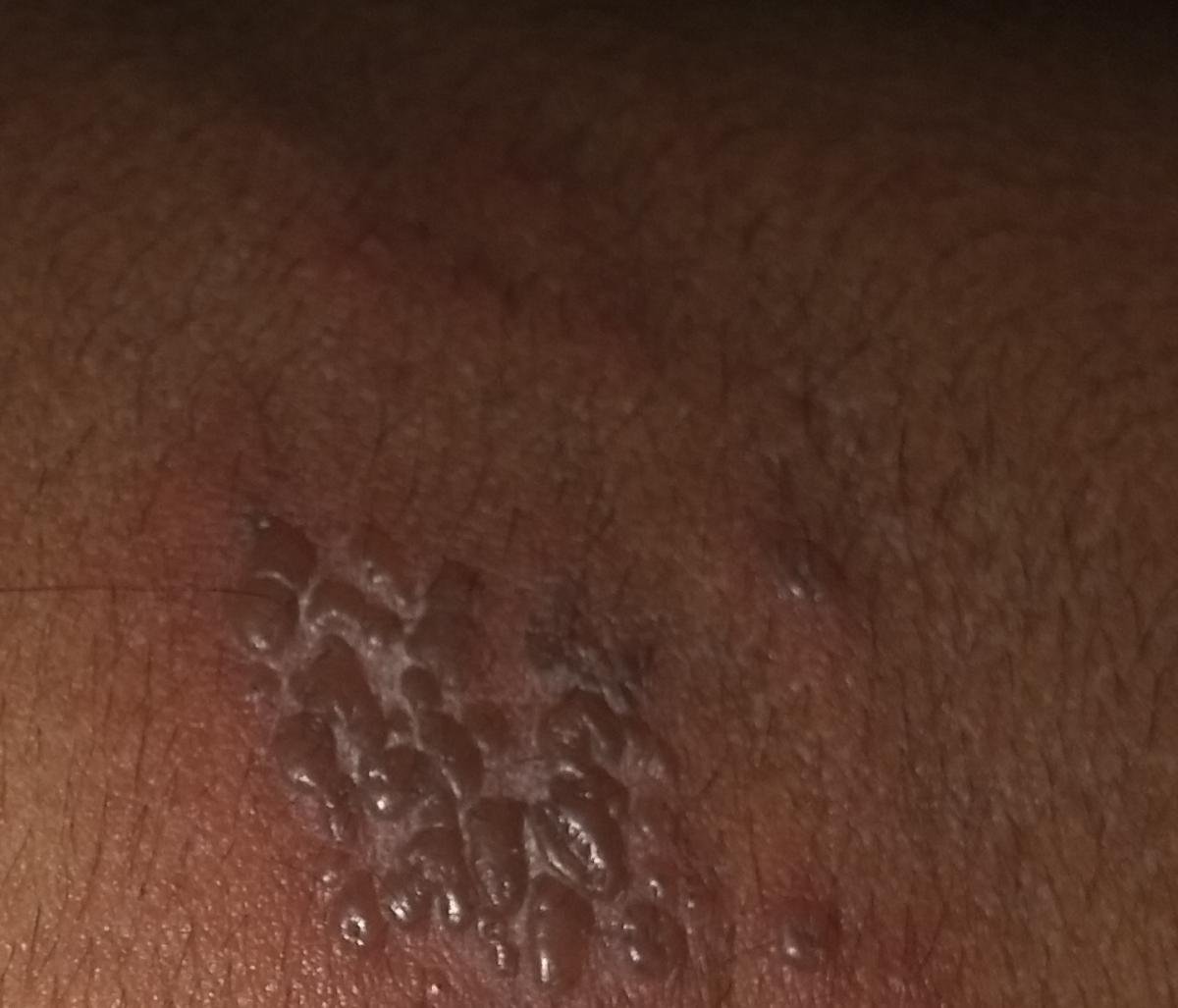
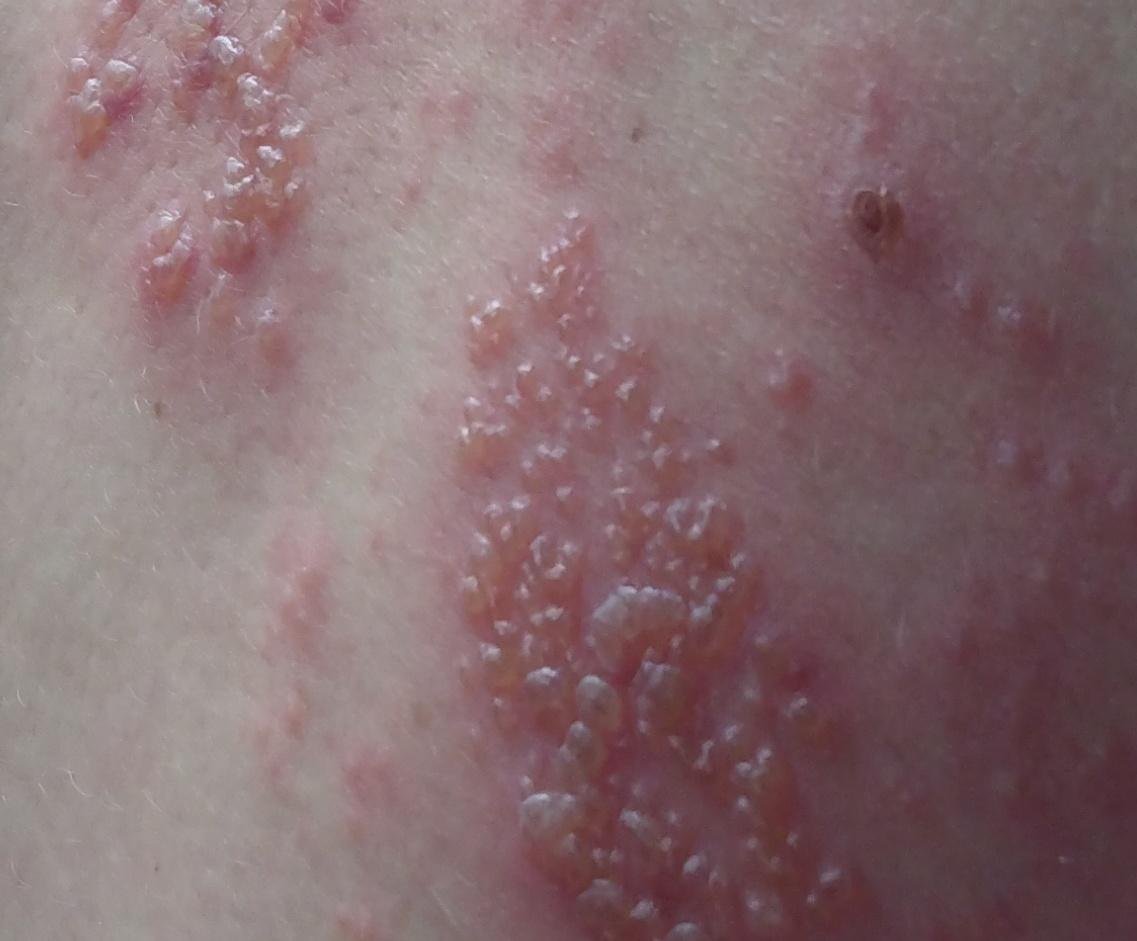
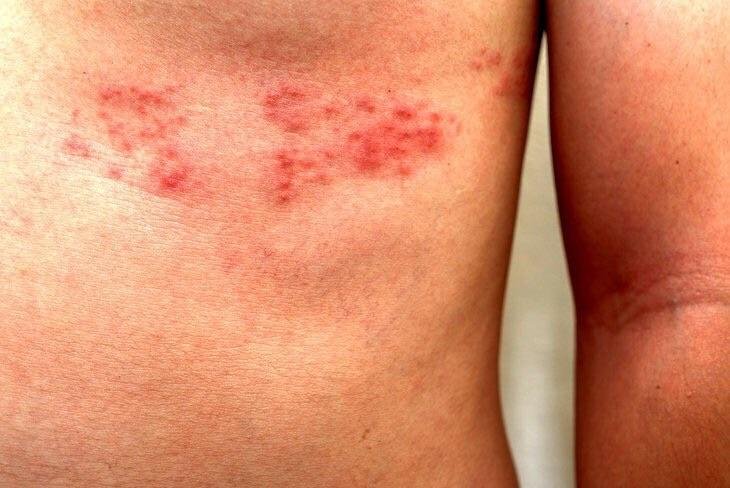
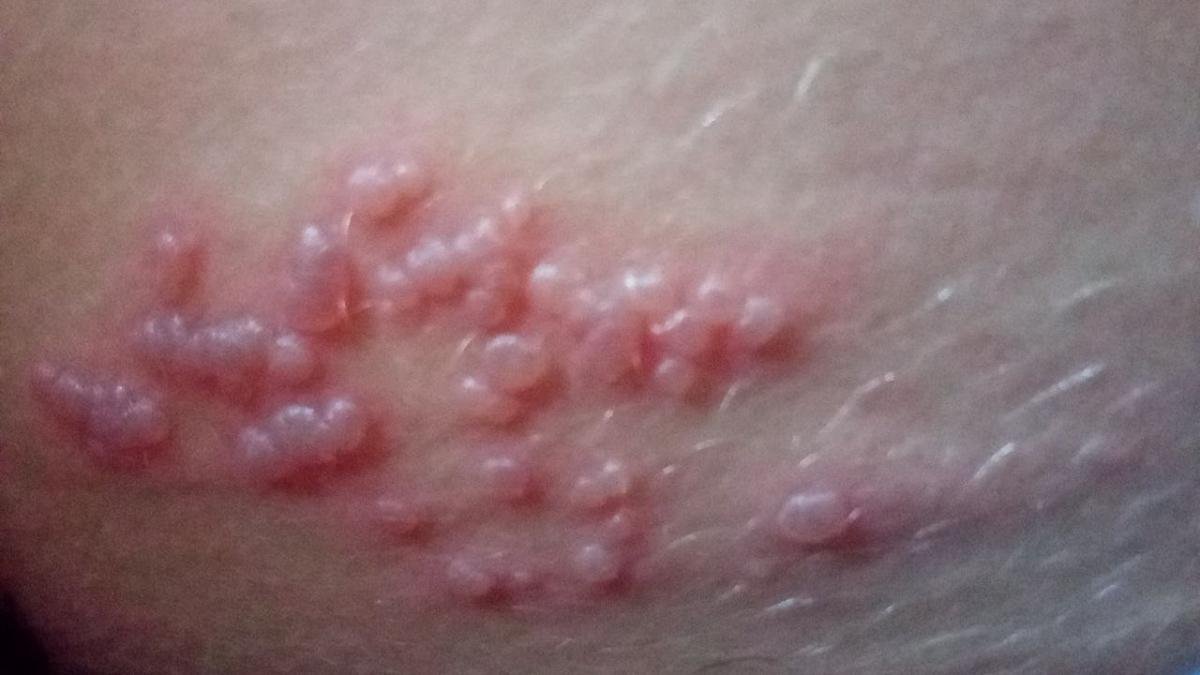
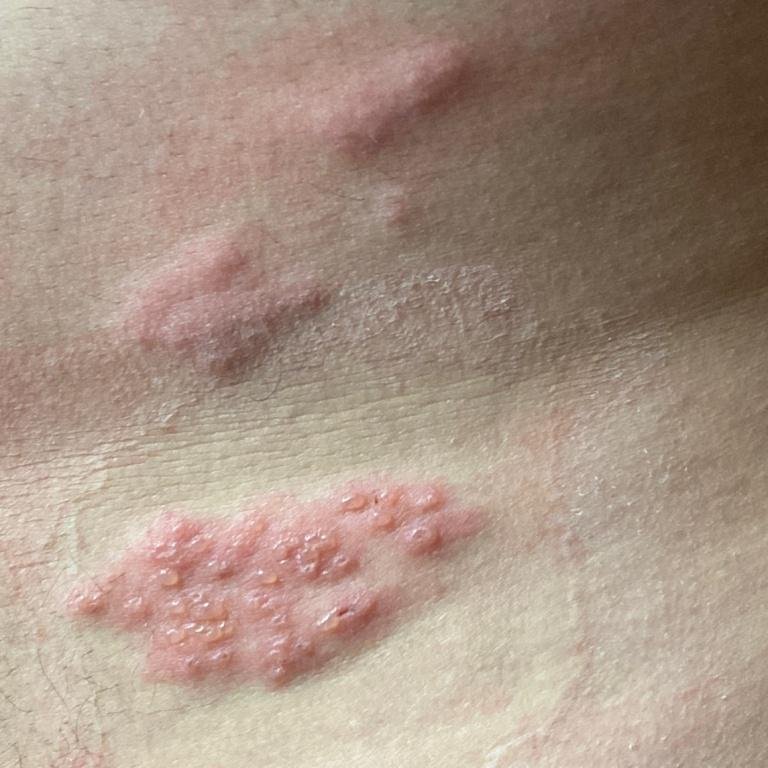
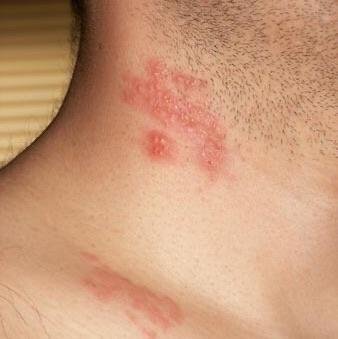
The hallmark symptom of herpes zoster is a localized, painful vesicular rash that typically appears on one side of the body, following the distribution of a single dermatome—the area of skin supplied by one sensory nerve. This dermatomal pattern of the rash is due to the virus traveling from the dorsal root ganglion along the peripheral nerve to the skin.
The most commonly affected areas include:
- Thoracic dermatomes: The commonest site by some margin;
- Trigeminal nerve branches: Especially the ophthalmic (ocular) branch, which can involve the eye and risk vision loss;
- Facial and cervical dermatomes: Including scalp, ear, and neck;
- Rarely the distal extremities: Legs or hands.
The disease usually progresses through the following stages:
- Prodrome: Lasts 1–4 days, characterized by malaise, fatigue, fever (38–39°C), localized pain, itching, or tingling in the affected dermatome.
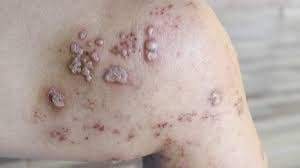
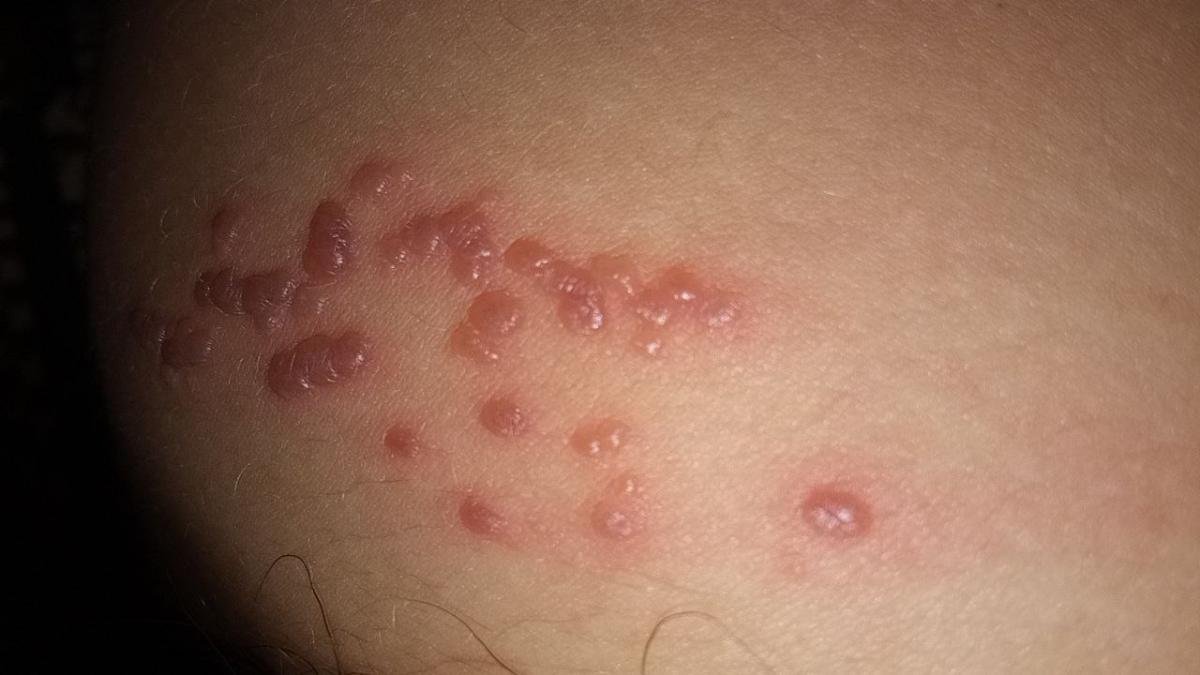
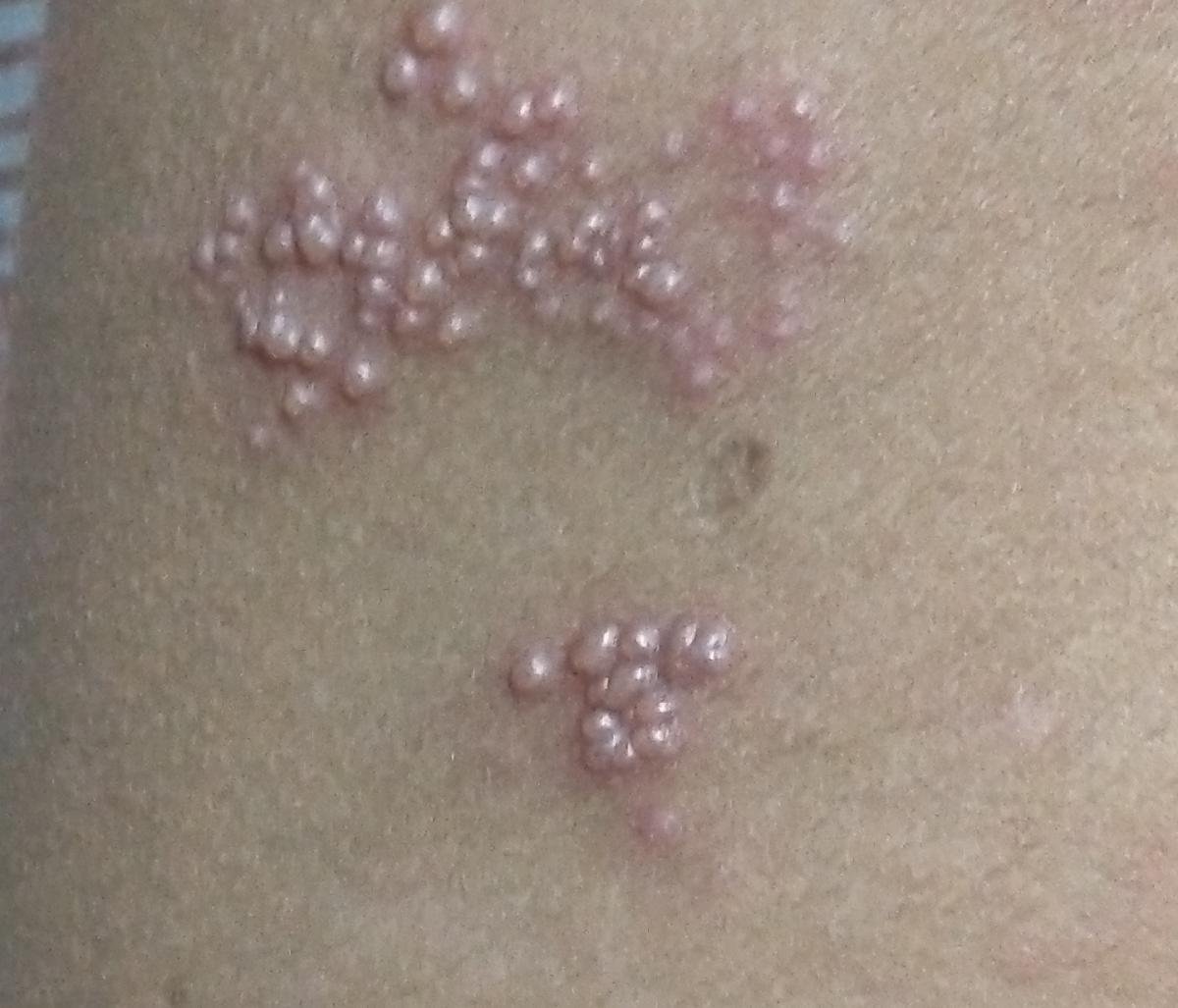
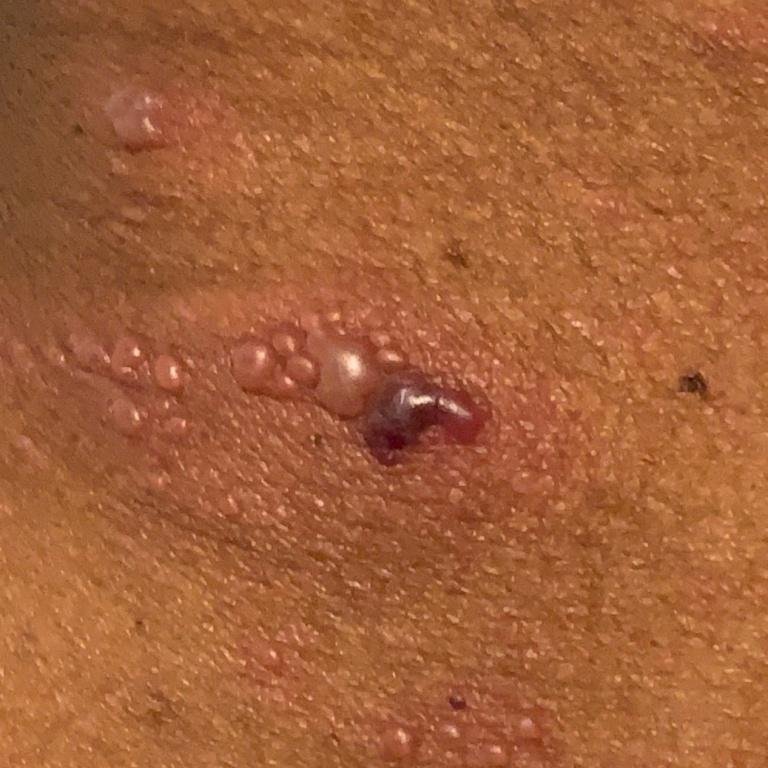
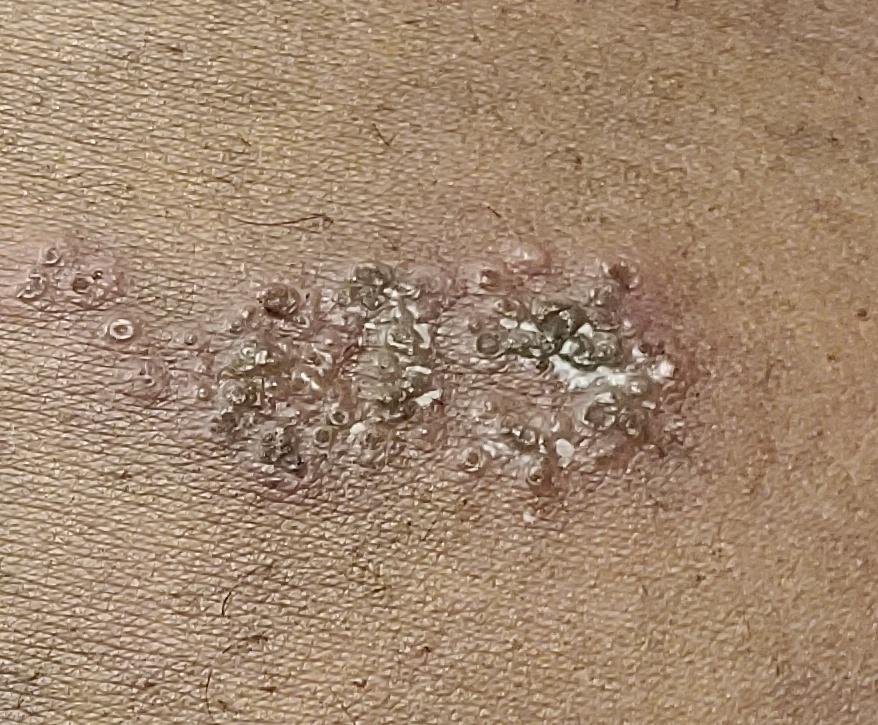
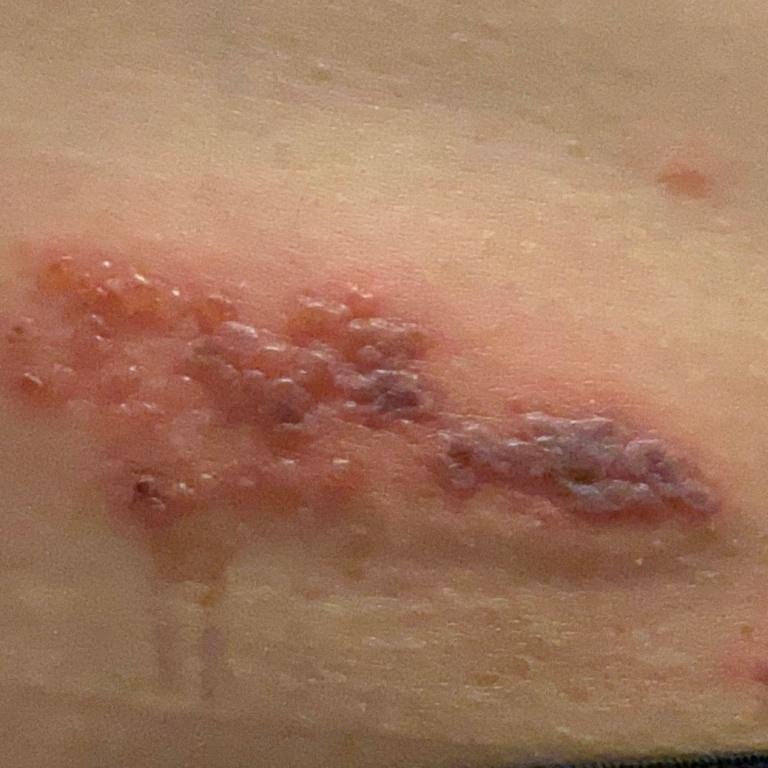
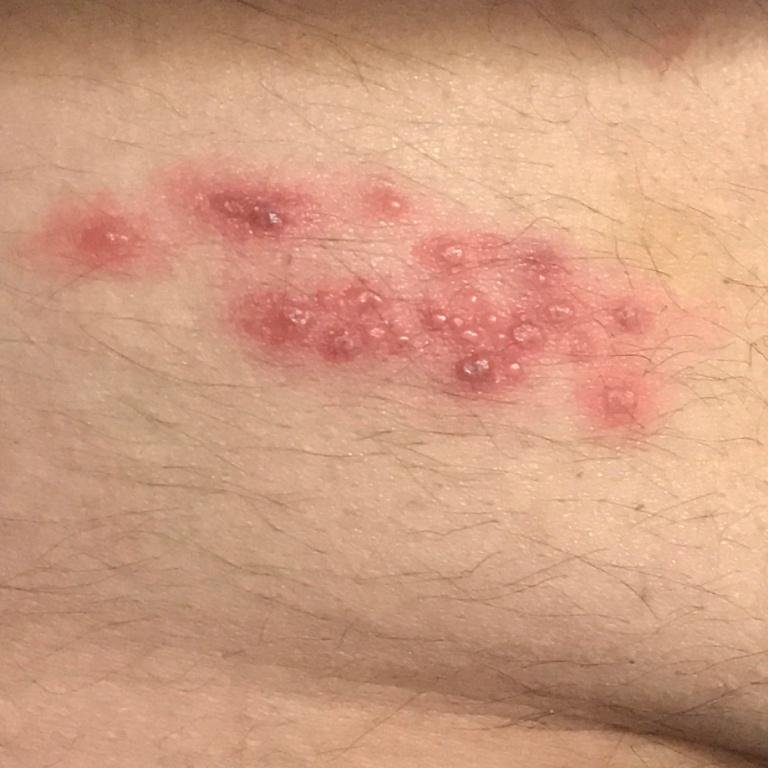
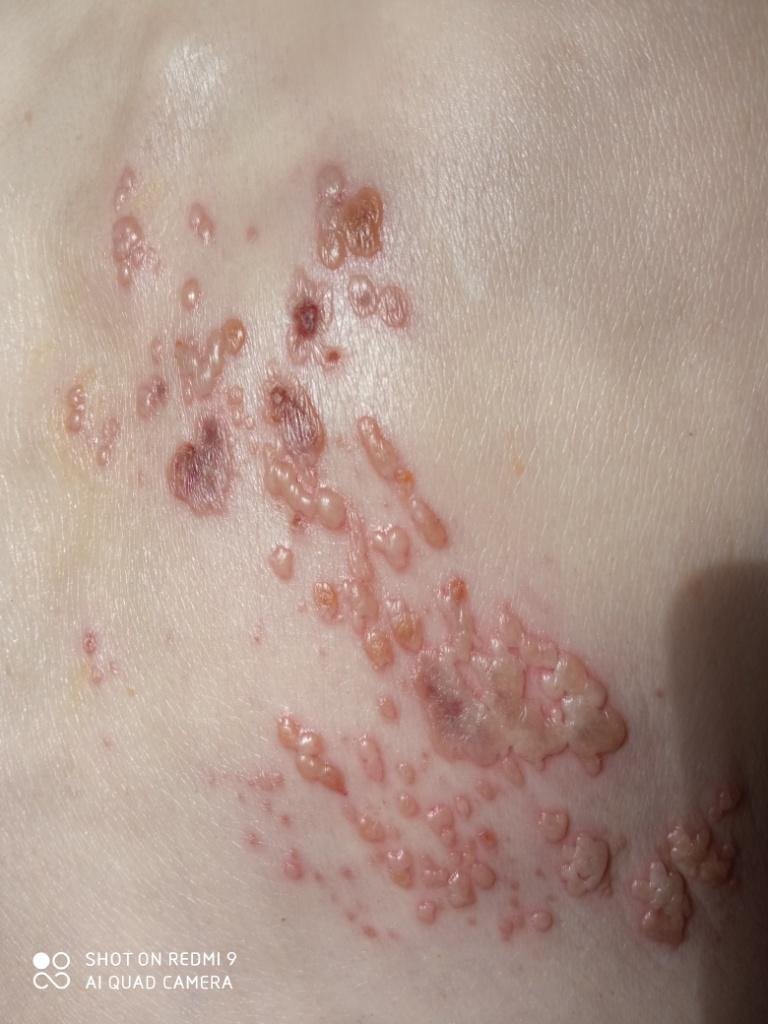
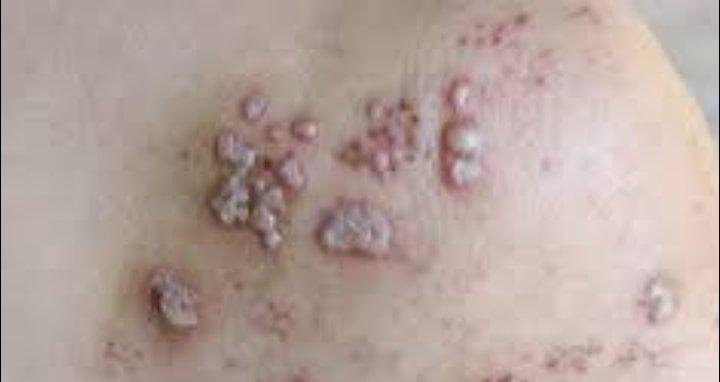
- Acute eruption: Red patches evolve into clusters of small, tense clear vesicles (0.3–0.5 cm in diameter) on an erythematous base. These may become purulent or hemorrhagic within 72 hours.
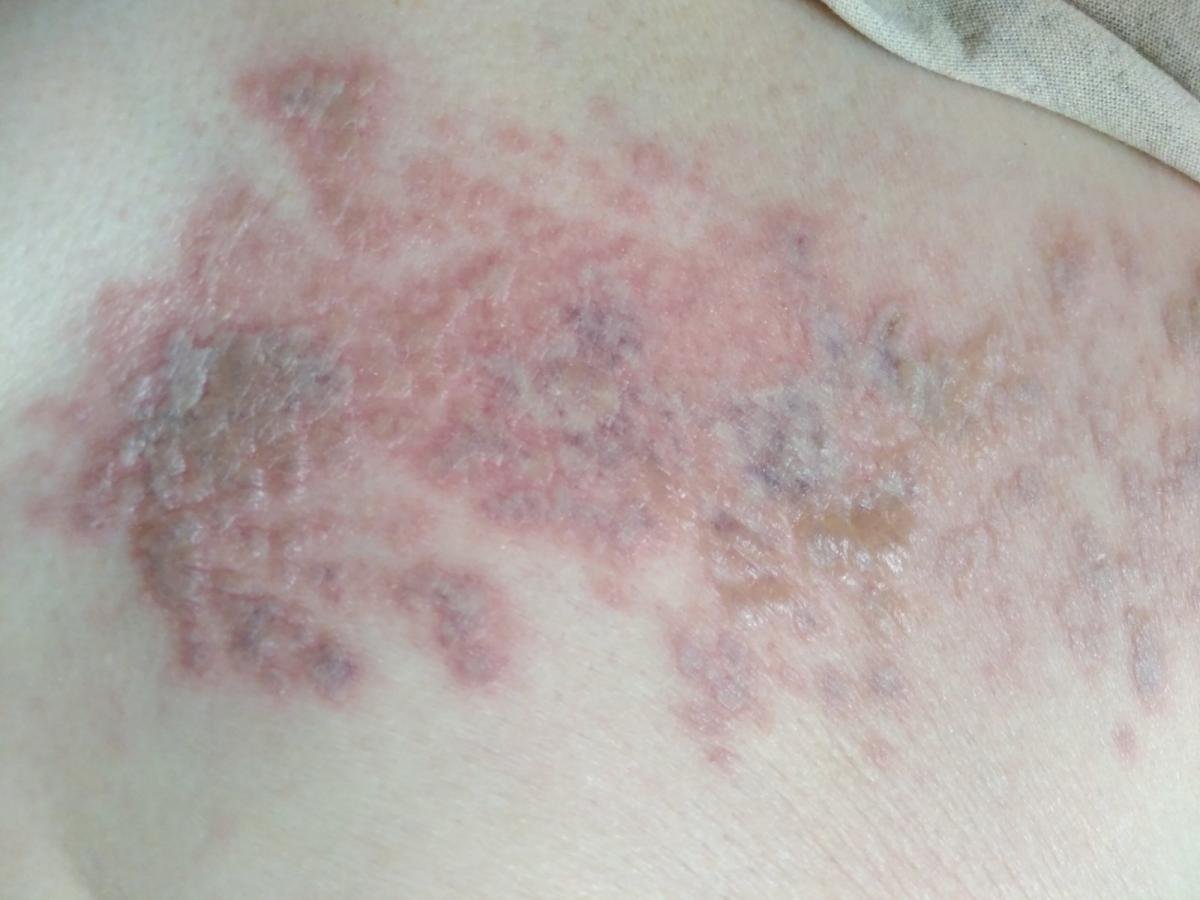
- Crusting and healing: Vesicles crust over within 7–10 days and fall off over 2–4 weeks. Mild pigmentation or residual scarring may remain—especially in the necrotic form.
The pain associated with herpes zoster can be intense and persistent, described as burning, stabbing, or electric shock-like sensations. In severe cases, paresthesia (abnormal skin sensation) and hyperesthesia (increased sensitivity to touch) are reported. Pain often precedes the rash and can continue after lesion resolution, evolving into postherpetic neuralgia.
Diagnostics: How Herpes Zoster Is Diagnosed
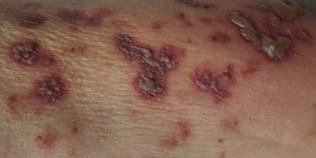
The diagnosis of herpes zoster is primarily clinical and is based on the characteristic dermatomal distribution of vesicular lesions combined with unilateral pain. The presence of lesions at varying stages—papules, vesicles, pustules, crusts—on a red, edematous base along a single nerve route strongly suggests herpes zoster.
Additional diagnostic tools may be used in the following scenarios:
- Atypical presentations: Especially in immunocompromised individuals or if the rash is absent (zoster sine herpete);
- Ophthalmic involvement: To evaluate ocular complications;
- Neurological symptoms: To rule out encephalitis or myelitis.
Most cases need no laboratory confirmation at all; the diagnosis is clinical. Where confirmation is wanted — an atypical presentation, or an immunocompromised patient — one test does the work:
- PCR (Polymerase Chain Reaction): Performed on material from a lesion, it is the preferred method, detecting VZV DNA with high sensitivity and specificity. It can also be performed on cerebrospinal fluid where neurological involvement is suspected.
Tzanck smear, ELISA serology and direct or indirect immunofluorescence were used historically but are not part of current routine confirmation: the Tzanck smear cannot separate VZV from herpes simplex, and antibody levels do not establish a current reactivation.
Treatment of Herpes Zoster
The main goals of treatment are to shorten the duration of symptoms, accelerate lesion healing, reduce viral replication, and prevent complications such as postherpetic neuralgia.
Antiviral therapy:
Antiviral treatment should begin as early as possible. The first 72 hours after the rash appears is when the benefit is greatest, but that window is not a cut-off: treatment is still worthwhile afterwards where new lesions are still appearing, and in ophthalmic zoster, neurological involvement, or an immunocompromised patient it should be started whenever the patient presents. Common agents include:
- Acyclovir: 800 mg five times a day for 7–10 days;
- Valacyclovir: 1,000 mg three times daily for 7 days (preferred for better oral absorption);
- Famciclovir: 500 mg three times daily for 7 days.
Pain management:
Because pain is often the most debilitating symptom, the following medications may be used:
- NSAIDs or acetaminophen: For mild to moderate pain;
- Gabapentin or pregabalin: For neuropathic pain and postherpetic neuralgia;
- Tricyclic antidepressants (e.g., amitriptyline): Especially for long-term nerve pain;
- Topical 5% lidocaine patches: For localized relief in neuralgic areas;
- Opioids: Reserved for severe, refractory pain not controlled by other means.
Topical care and symptom relief:
- Cold compresses: Reduce burning and inflammation;
- Calamine or soothing lotions: Help dry out vesicles and relieve itching;
- Proper hygiene: To prevent secondary bacterial infection.
Complications of Herpes Zoster
While most cases of herpes zoster resolve within 2–4 weeks, serious complications can occur, especially in older adults and immunosuppressed individuals:
- Postherpetic neuralgia (PHN): Persistent neuropathic pain lasting >90 days after rash resolution; more common in patients over 60;
- Ophthalmic zoster: Involvement of the trigeminal nerve’s ophthalmic branch may result in keratitis, uveitis, or even permanent vision loss;
- Disseminated zoster: Occurs in immunocompromised individuals; characterized by widespread lesions and internal organ involvement;
- Zoster meningitis or encephalitis: Rare but severe neurologic complications;
- Motor neuropathies: Can lead to limb weakness or facial paralysis in affected dermatomes.
Prevention of Herpes Zoster and Its Complications
Prevention of shingles is focused primarily on vaccination and immune system support:
Vaccination:
Vaccination is the most effective method to reduce both the incidence and severity of herpes zoster and postherpetic neuralgia. There are two main vaccine options:
- Shingrix (recombinant zoster vaccine): The current vaccine of choice, given as two doses. It is recommended for adults aged 50 and older, and also for immunocompromised adults from the age of 19, who are at the greatest risk and for whom a live vaccine is unsuitable.
Additional prevention strategies include:
- Early treatment of primary varicella (chickenpox) and reducing contact with infected individuals;
- Healthy lifestyle and immune support: Adequate sleep, stress management, balanced nutrition, and avoidance of immunosuppressive triggers;
- Prompt treatment of new herpes zoster episodes to reduce duration, severity, and likelihood of complications.
Conclusion
Herpes zoster is a potentially debilitating disease that goes beyond skin manifestations, often involving significant nerve pain and long-term complications. Early recognition, timely antiviral therapy, and adequate pain management are key to minimizing morbidity. Vaccination offers powerful protection, especially in older adults who are at the greatest risk.
Through proper education, proactive health management, and access to medical care, individuals can significantly reduce the impact of shingles and maintain better quality of life—even in the face of this challenging reactivation disease.