
Revolutionizing Non-Surgical Treatment for Superficial BCC with Red Light PDT
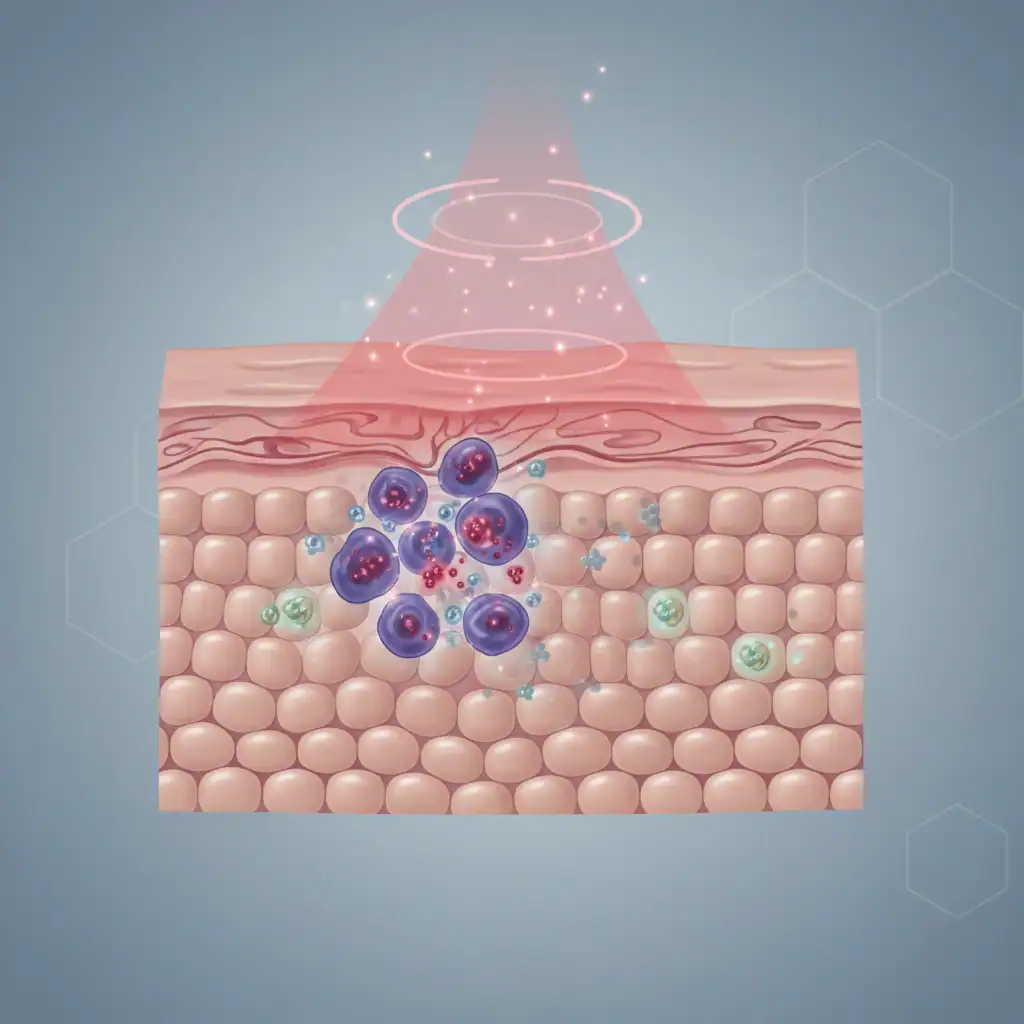
Emerging Insights into Red Light–Activated Photodynamic Therapy for Skin Cancer Treatment
In a recent episode of the Dermatology Times Expert Perspectives custom video series, Dr. Todd Schlesinger, a distinguished dermatologist, Mohs surgeon, and clinical trialist at Epiphany Dermatology in South Carolina, shared groundbreaking insights on the potential of red light–activated aminolevulinic acid (ALA) photodynamic therapy (PDT). This innovative approach may significantly broaden the spectrum of treatment options available for appropriately selected patients.
Longstanding Interest in Photodynamic Therapy
Dr. Schlesinger expressed his enthusiasm for photodynamic therapy, highlighting its prolonged application in managing various skin conditions, particularly actinic keratosis. He noted a notable evolution in interest over the last decade, with a shift towards the non-surgical management of early-stage nonmelanoma skin cancers, especially superficial basal cell carcinoma (sBCC).
Recent studies investigating the effectiveness of combining red light with 10% ALA PDT have shown promise, indicating that this technique could redefine the standard of non-surgical care in treating sBCC. In discussing outcomes from a study conducted by his team and other researchers, Dr. Schlesinger emphasized the encouraging rates of clearance achieved through this therapy.
Promising Clearance Rates
The findings revealed that clinical clearance rates were close to 85%, while histological clearance was around 76%. When combining both clinical and histological clearance rates, approximately 65% of patients exhibited positive results. These statistics underscore the necessity of assessing treatment outcomes from multiple perspectives (Source: Schlesinger T, Chapman MS, Tu JH, et al., Red light photodynamic therapy with 10% aminolevulinic acid gel showed efficacy for treatment of superficial basal cell carcinoma in a randomized, vehicle controlled, double-blind, multicenter phase III study).
“Some patients may clear histologically, while others may appear clear but not achieve histological clearance,” Dr. Schlesinger clarified, stressing that relying solely on clinical appearance may not provide a complete picture of treatment success.
PDT as a Viable Alternative
While surgical excision continues to be recognized as the gold standard for treating sBCC, Dr. Schlesinger views PDT as a crucial alternative for select patients. This approach is particularly beneficial for individuals who prefer non-surgical methods or wish to minimize scarring.
“This therapy provides a valuable option for patients aiming to eliminate a superficial basal cell carcinoma without incurring a significant scar,” he remarked. Additionally, Dr. Schlesinger discussed the advantages of red light over blue light in the treatment of sBCC.
Why Red Light is More Effective
The longer wavelength of red light allows for deeper penetration through the epidermis and into the dermis, aligning more effectively with the tumor’s anatomical location. “We aim for a high concentration of targeted light at the base of the epidermis,” he explained.
“It is advantageous to utilize a light wavelength that penetrates sufficiently deep, ensuring that we concentrate the treatment where it is most needed.” Dr. Schlesinger believes that the evolving body of evidence supports a thoughtful consideration of red light–based PDT as an integral part of the treatment strategy for sBCC, offering clinicians another evidence-based, tissue-sparing option for their patients.
Sources
- Schlesinger T, Chapman MS, Tu JH, et al. Red light photodynamic therapy with 10% aminolevulinic acid gel showed efficacy for treatment of superficial basal cell carcinoma in a randomized, vehicle controlled, double-blind, multicenter phase III study.