
Lichen Striatus (ICD-10: L44.2) ⚠️
Lichen Striatus (Blaschkoid Lichenoid Dermatosis): Rare Self-Limiting Inflammatory Skin Condition
Overview
Lichen striatus, also known as acquired linear lichenoid dermatosis or Blaschko’s lichen, is a rare, benign inflammatory skin disorder characterized by small, flat-topped papules that follow the embryonic lines of Blaschko. It is self-limiting and usually requires no specific treatment. This page describes lichen striatus.
It is not the same condition as linear lichen planus, and the two are often confused because both can appear as a line on the skin. They differ in who they affect, how they behave and what the biopsy shows:
- Lichen striatus is mostly a condition of children, follows Blaschko’s lines, is typically asymptomatic or mildly itchy, and resolves on its own over months, often leaving a temporary pale or dark streak;
- Linear lichen planus is lichen planus that happens to be arranged in a line. It is more common in adults, is usually itchy and violaceous with Wickham striae, follows the course of lichen planus rather than resolving on a predictable schedule, and shows the lichenoid interface changes of lichen planus on histology. It may need the treatment lichen planus needs.
Lichen striatus most frequently develops in children aged 5 to 15 years, though it may occur at any age. In early childhood, it is reported slightly more often in boys, though this is not consistent across age groups.
Etiology and Pathogenesis
The exact cause of lichen striatus remains unclear. It is generally classified as an idiopathic dermatosis, though several internal and environmental factors are considered possible triggers. Its distribution pattern along Blaschko’s lines suggests an embryologic origin and possible involvement of cutaneous mosaicism or autoimmune phenomena.
The cause remains uncertain. Two mechanisms are proposed, and both are hypotheses rather than established explanations:
- Cutaneous mosaicism. Because the eruption follows Blaschko’s lines — the paths along which skin cells migrate in the embryo — it is thought that a population of cells carrying a post-zygotic genetic change is confined to that band of skin;
- A localised immune reaction against that population of cells, which would explain why the eruption appears suddenly in a child whose skin was previously normal, and then settles.
Infections during pregnancy, maternal medication, vaccination, stress and the time of year have all been raised in case reports as possible triggers. None has been established, and parents should not be left thinking that something they did or did not do brought the eruption on. New papules may follow a scratch (the Koebner phenomenon), and an atopic background is reported more often in these children than otherwise, but neither explains the condition.
Clinical Features
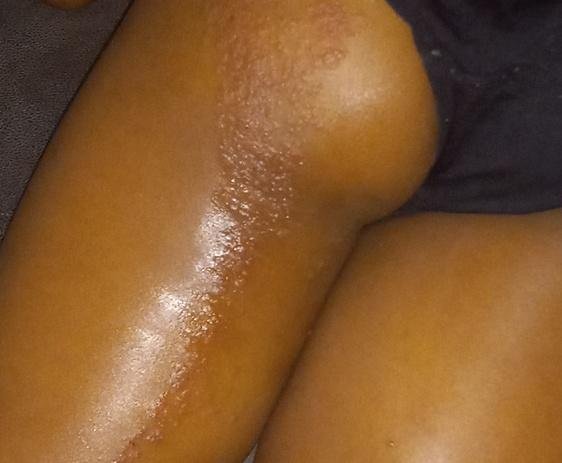
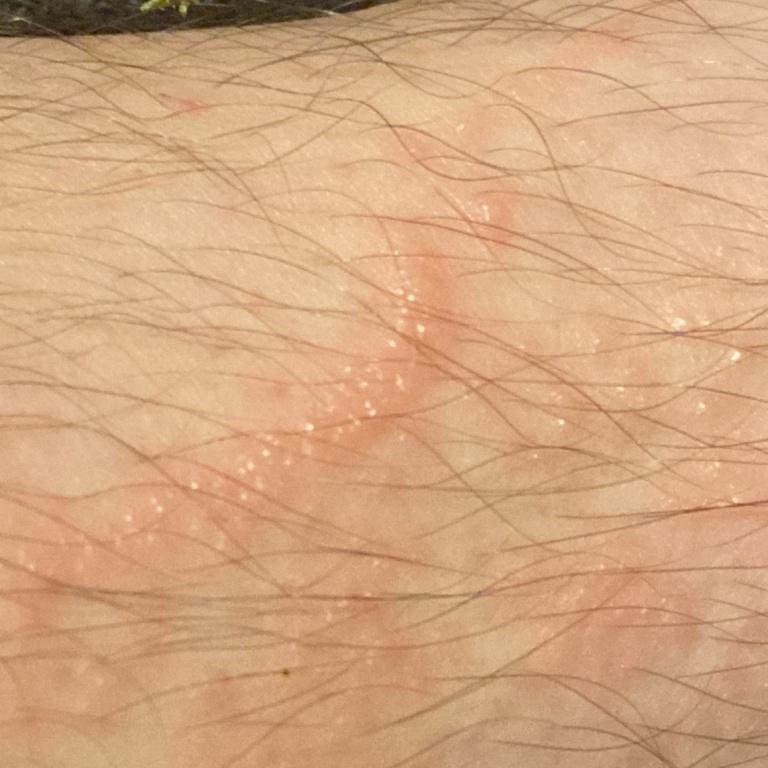
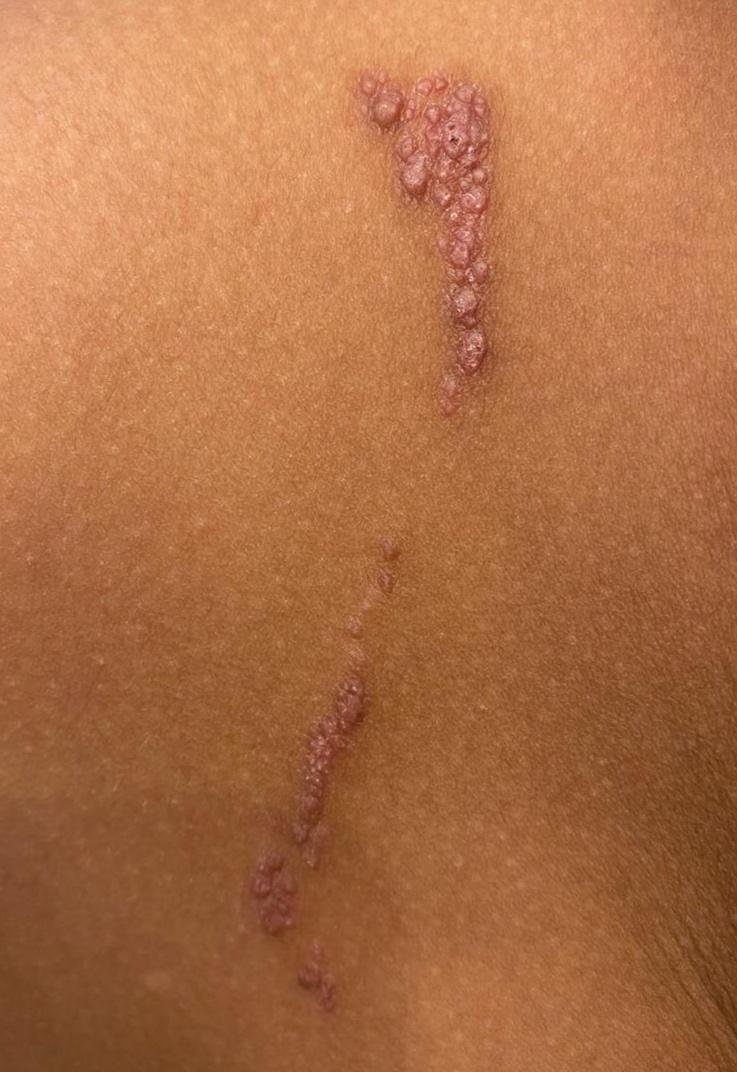
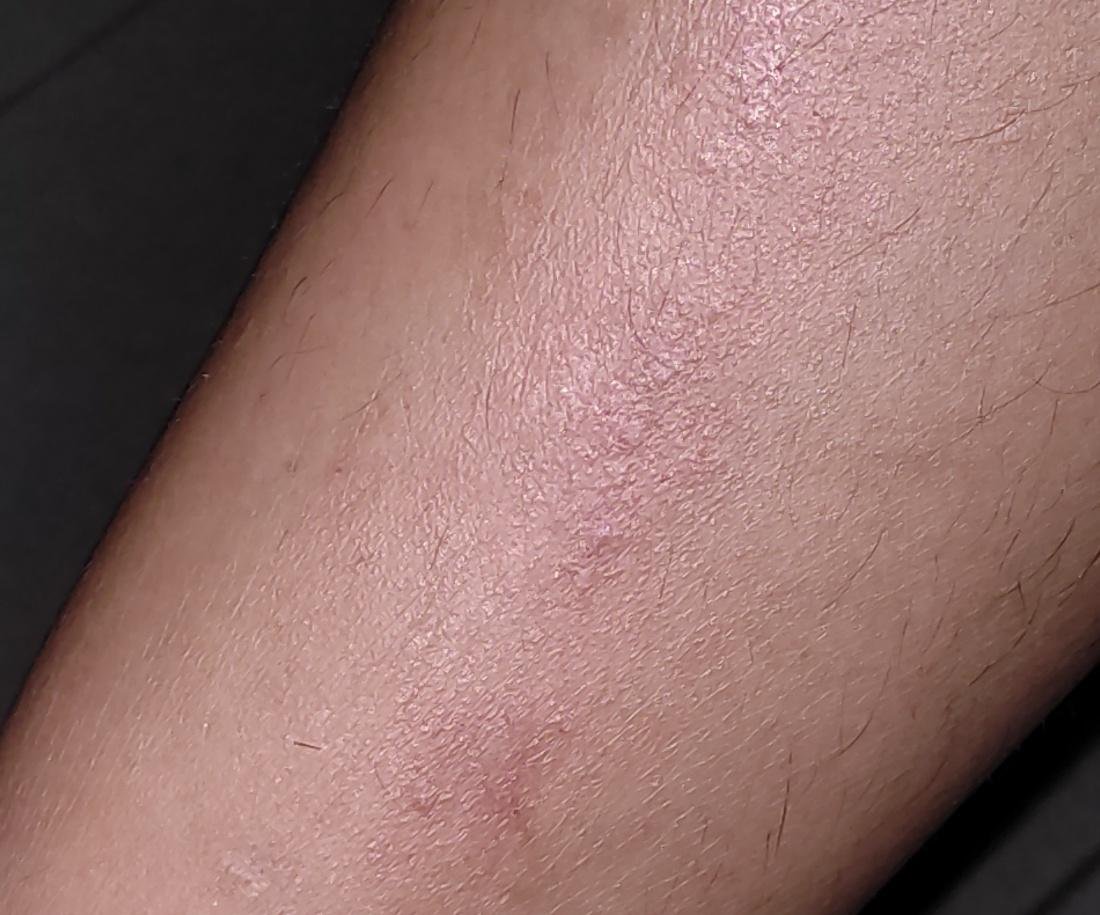
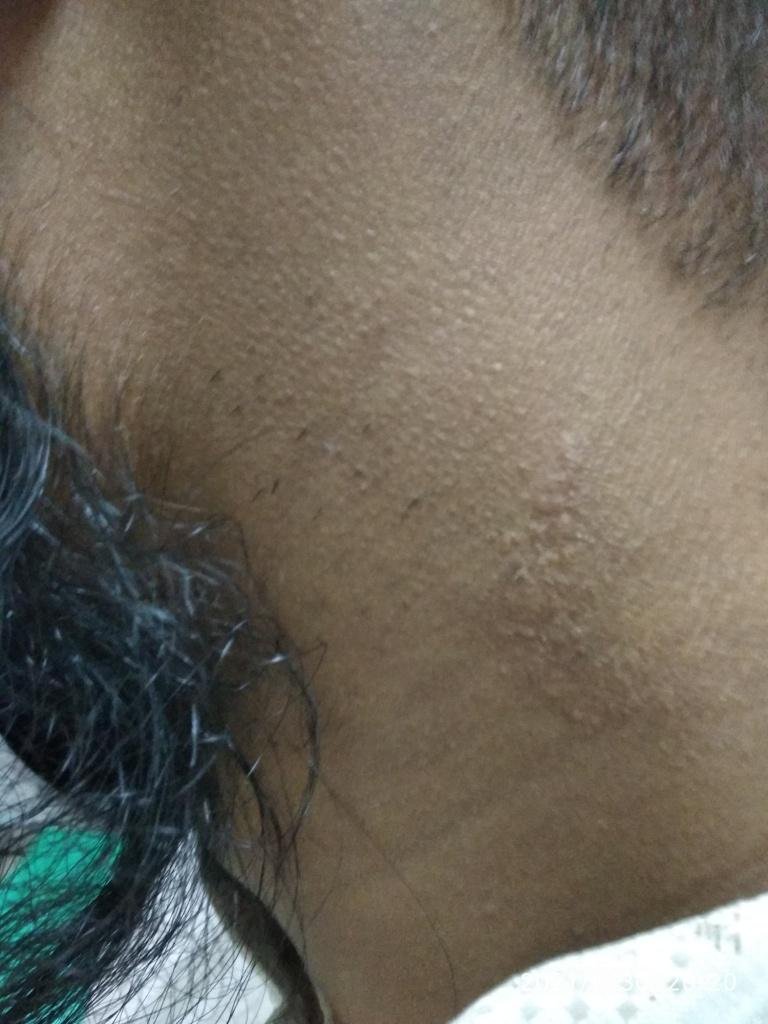
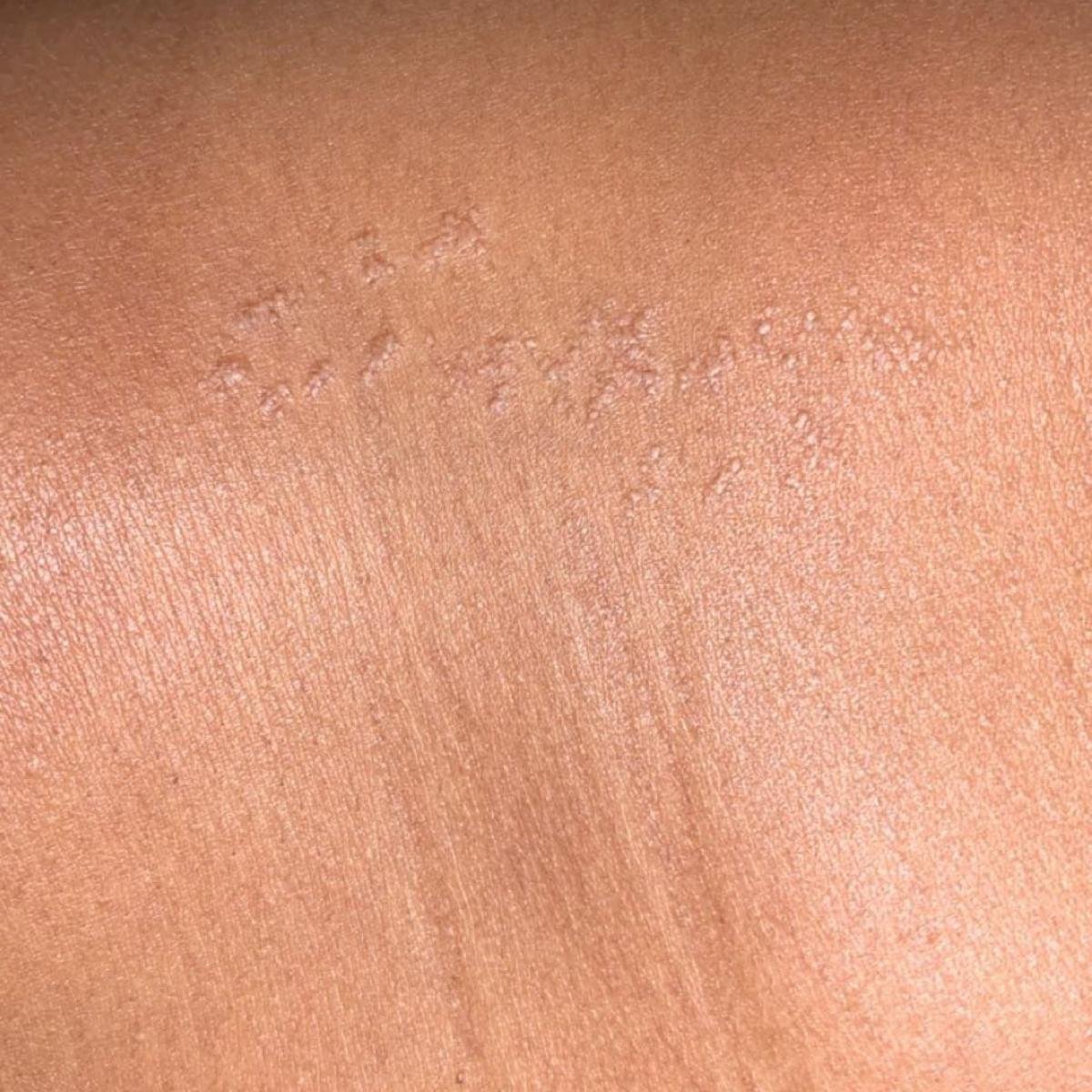
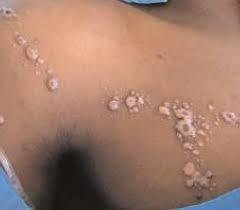
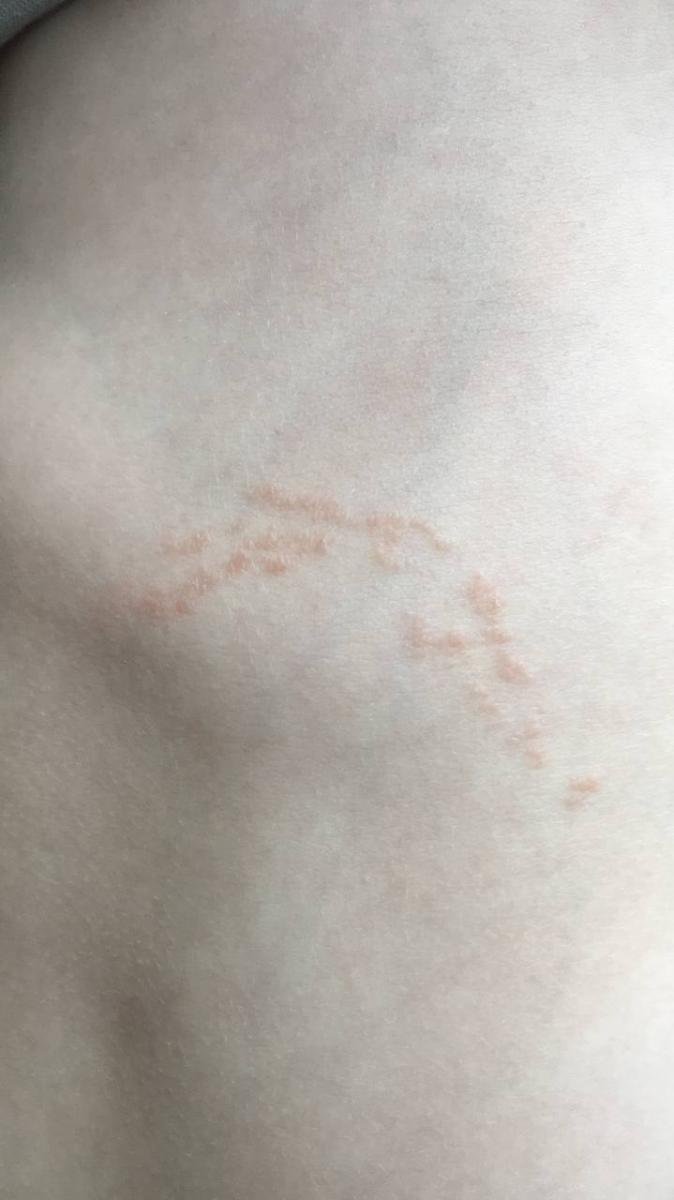
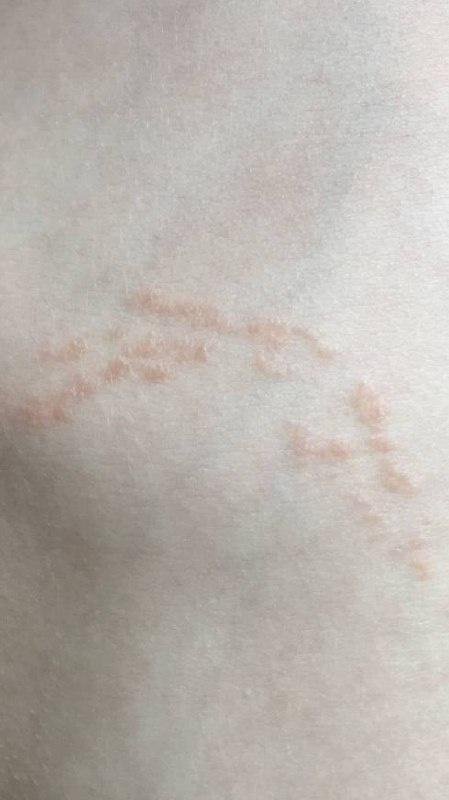
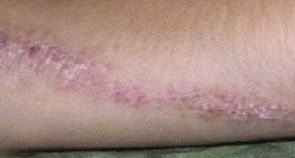
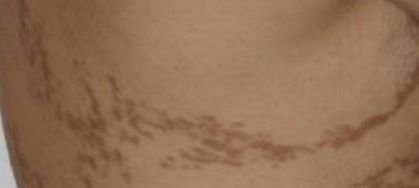
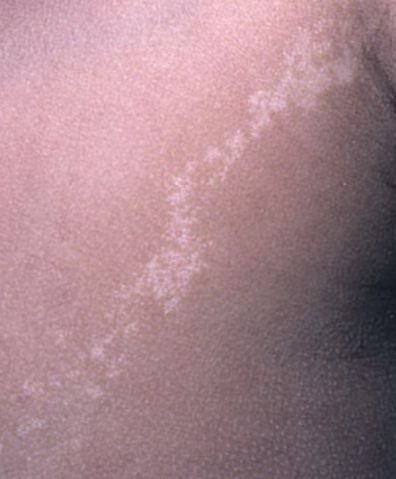
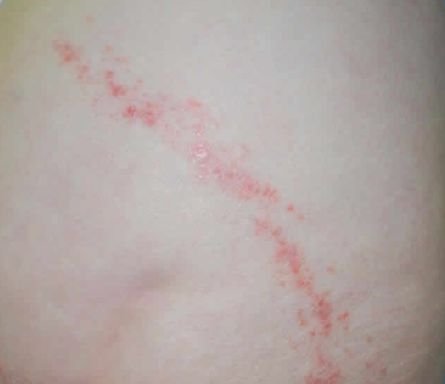
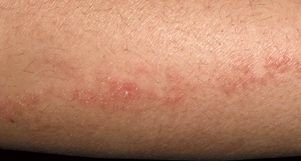
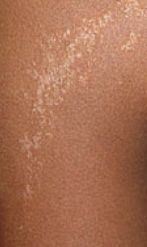
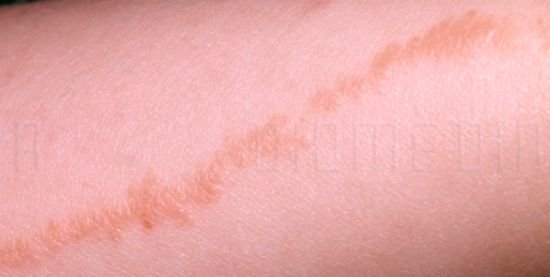
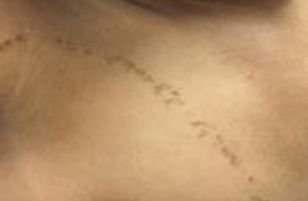
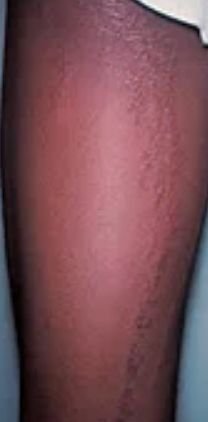
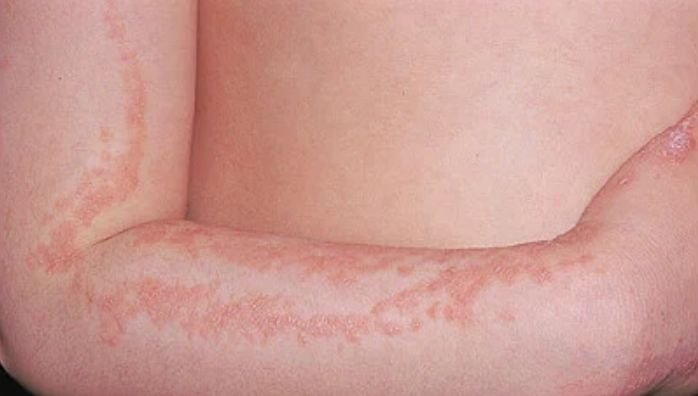
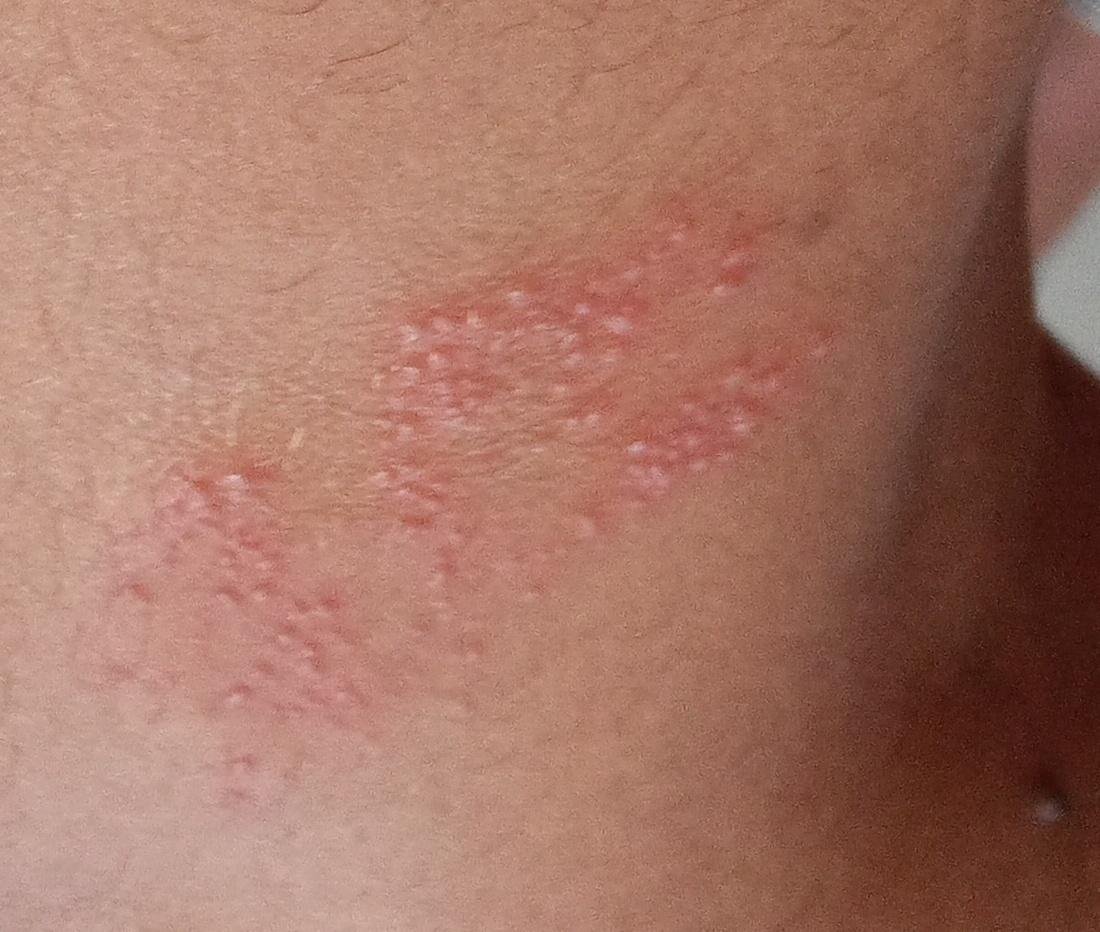
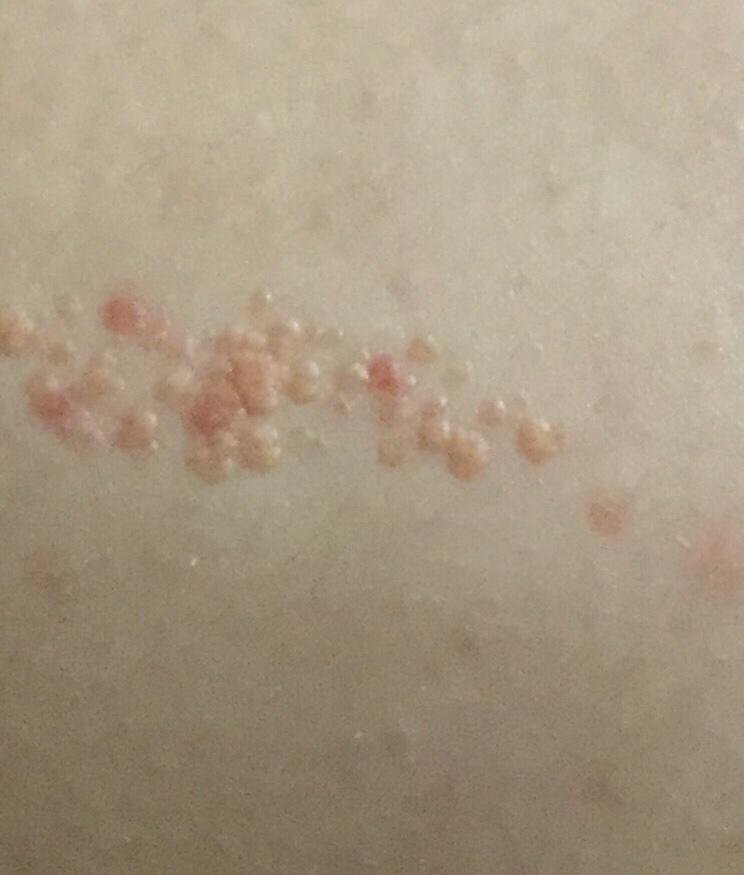
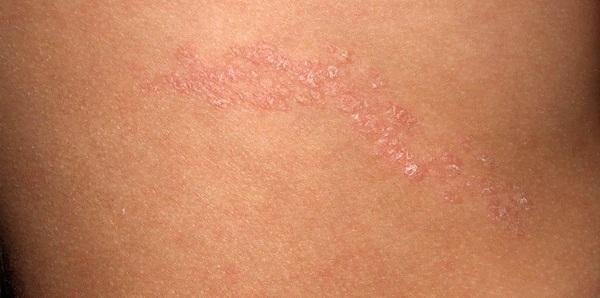
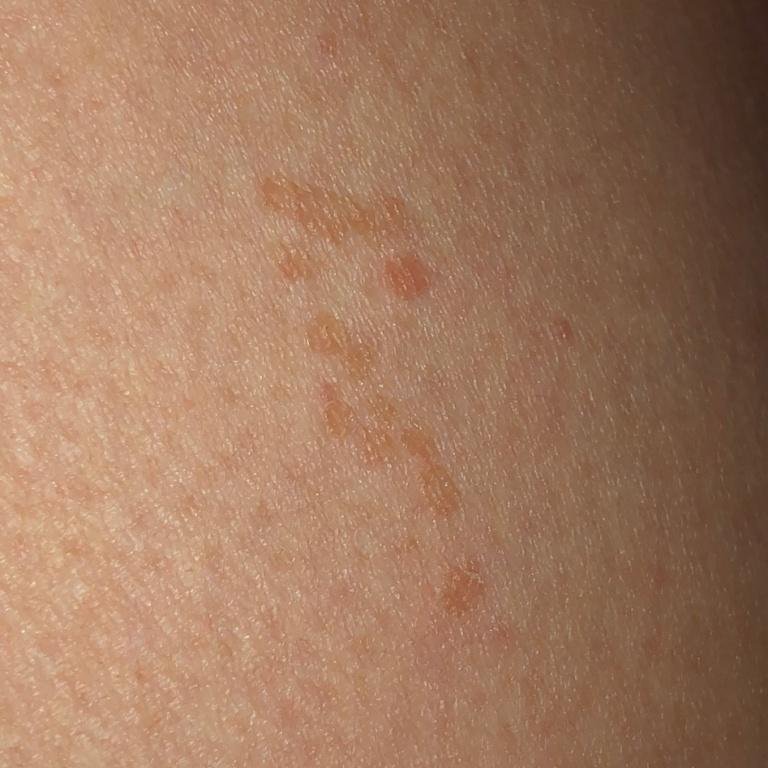
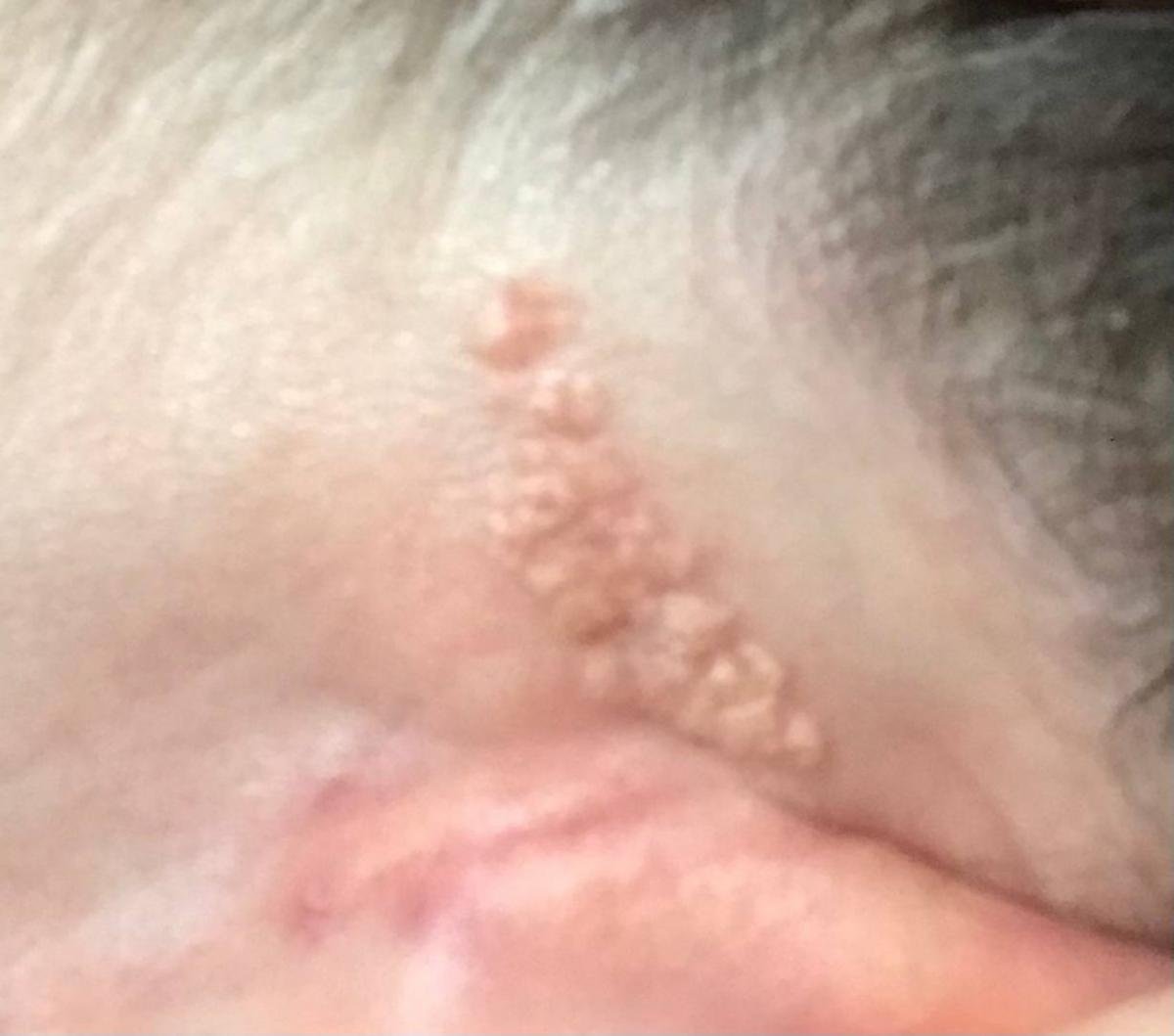
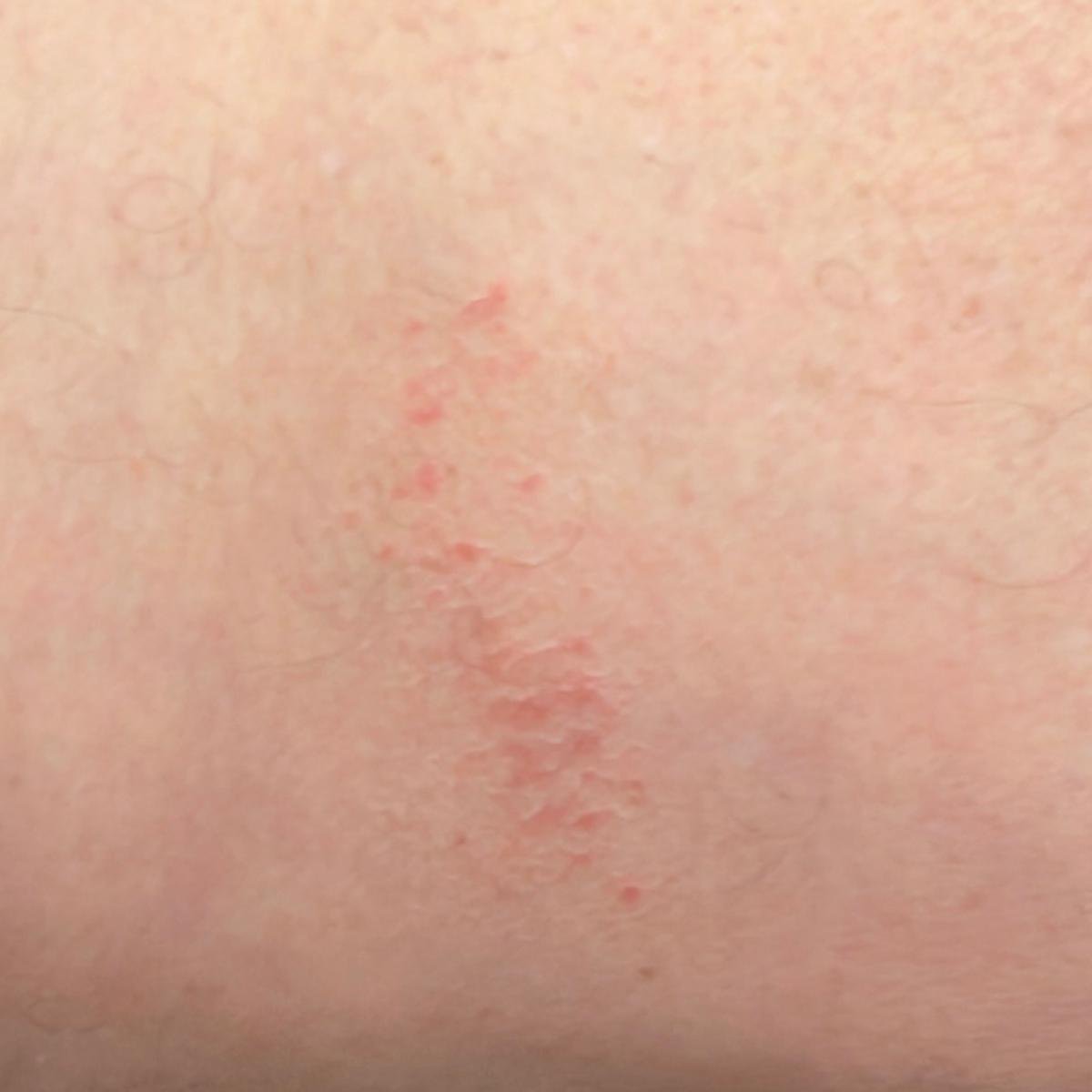
The hallmark sign of lichen striatus is the appearance of small, flesh-colored to pink-red papules with a flat, scaly surface. These lesions usually arise linearly and follow Blaschko’s lines.
Key features include:
- Papules usually appear over days to weeks and run together into a band, though how quickly varies and there is no fixed timetable;
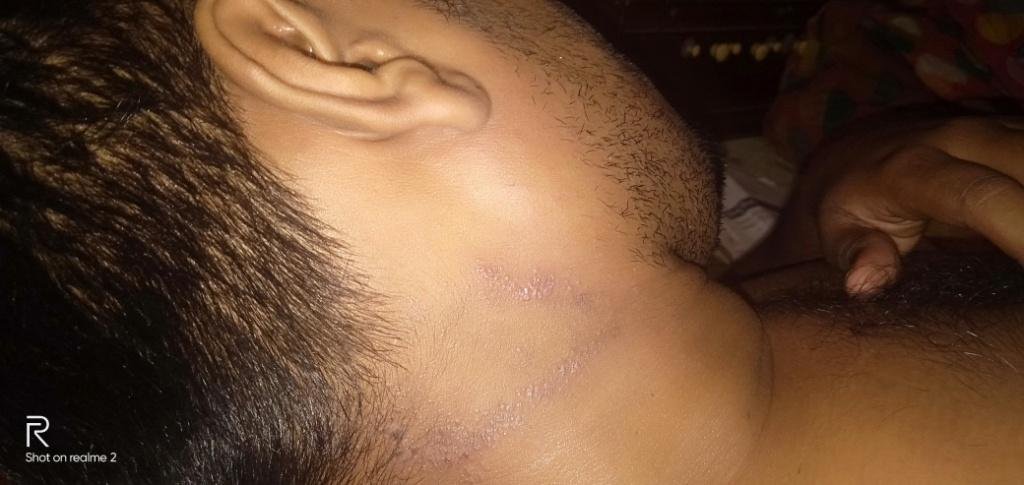
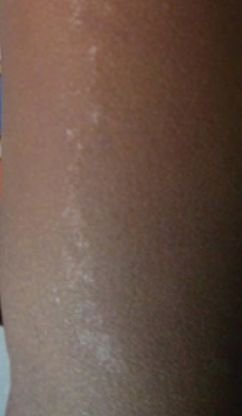
- The band is unilateral and follows Blaschko’s lines, and may be anything from a few centimetres to the length of a limb. The characteristic feature is the linear, one-sided distribution rather than any particular size;
- Itching is usually mild, more pronounced in patients with atopic diathesis;
- Common locations include the upper extremities (especially the arms), lower limbs, trunk, neck, and buttocks;
- Facial or abdominal involvement is rare but possible;
- Nail changes (in isolated or combined form): Onycholysis, ridging, thinning, nail splitting, or loss may be observed.
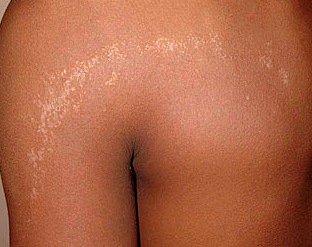
The rash is typically asymptomatic but may be accompanied by discomfort or visible cosmetic defects in extensive cases. Disease duration ranges from 3 to 12 months, and spontaneous remission is common. A residual post-inflammatory hyperpigmented linear streak may remain, fading within 3–4 years in most patients.
Diagnostics
The diagnosis is usually based on clinical evaluation and patient history. The distinct linear pattern and typical distribution often suggest the diagnosis.
Diagnostic tools:
- Dermoscopy: Helps exclude other papular dermatoses;
- KOH test: Not routinely needed. Clinical assessment is usually sufficient in a child with a unilateral Blaschko-linear band;
- Biopsy: In uncertain or atypical cases; histology shows lichenoid interface dermatitis with basal cell damage and inflammatory infiltrate;
- Other Blaschko-linear conditions are what a biopsy is for when the diagnosis is uncertain: linear lichen planus, an epidermal naevus (present from birth or early infancy and persistent, where lichen striatus is acquired and temporary), inflammatory linear verrucous epidermal naevus, and linear psoriasis. Routine cultures and patch testing have no role.
Treatment
Lichen striatus is typically a self-resolving condition. Treatment is not necessary in the majority of cases. However, in patients with significant itching or discomfort, symptomatic relief may be provided.
Topical management:
- Moisturizers and emollients: Maintain hydration and relieve dryness;
- Topical corticosteroids: For reducing inflammation and pruritus (short-term use only);
- Calcineurin inhibitors: Tacrolimus or pimecrolimus for sensitive areas (e.g., face, neck);
Additional options in resistant cases:
- Antihistamines: For moderate to severe itching;
- Phototherapy and topical retinoids are not treatments for uncomplicated lichen striatus. They appear in reports of unusually persistent disease, and have to be weighed against a condition that clears by itself in a child.
Prognosis and Complications
Lichen striatus has a favorable prognosis. In the vast majority of cases, the condition resolves without complications within 12 months. Residual hyperpigmentation may persist for several years but tends to fade over time. Rarely, the pigment streak may remain lifelong, especially if the lichen was extensive or prolonged.
Psychological discomfort may occur in children or adolescents due to visible lesions, especially in exposed areas. However, relapses are extremely rare.
Conclusion
Lichen striatus is a rare, benign, self-limiting inflammatory skin condition that presents in a distinct linear pattern and primarily affects children and adolescents. While its cause is not fully understood, it is not dangerous or contagious. Diagnosis is clinical in most cases, and treatment is usually unnecessary unless symptoms interfere with quality of life. Early consultation with a dermatologist ensures exclusion of other similar-appearing dermatoses and enables personalized skin care if needed.
Copyright concern about an image on this page? Write to mail@skinai.pro. Images may not be reused without permission unless an open licence is stated on this page.

Medical review
Board-Certified Dermatologist · Fellow of the American Academy of Dermatology (FAAD)