
How Dr. Kavita Mariwalla Addresses Rising Skin Cancer Risks in Youth
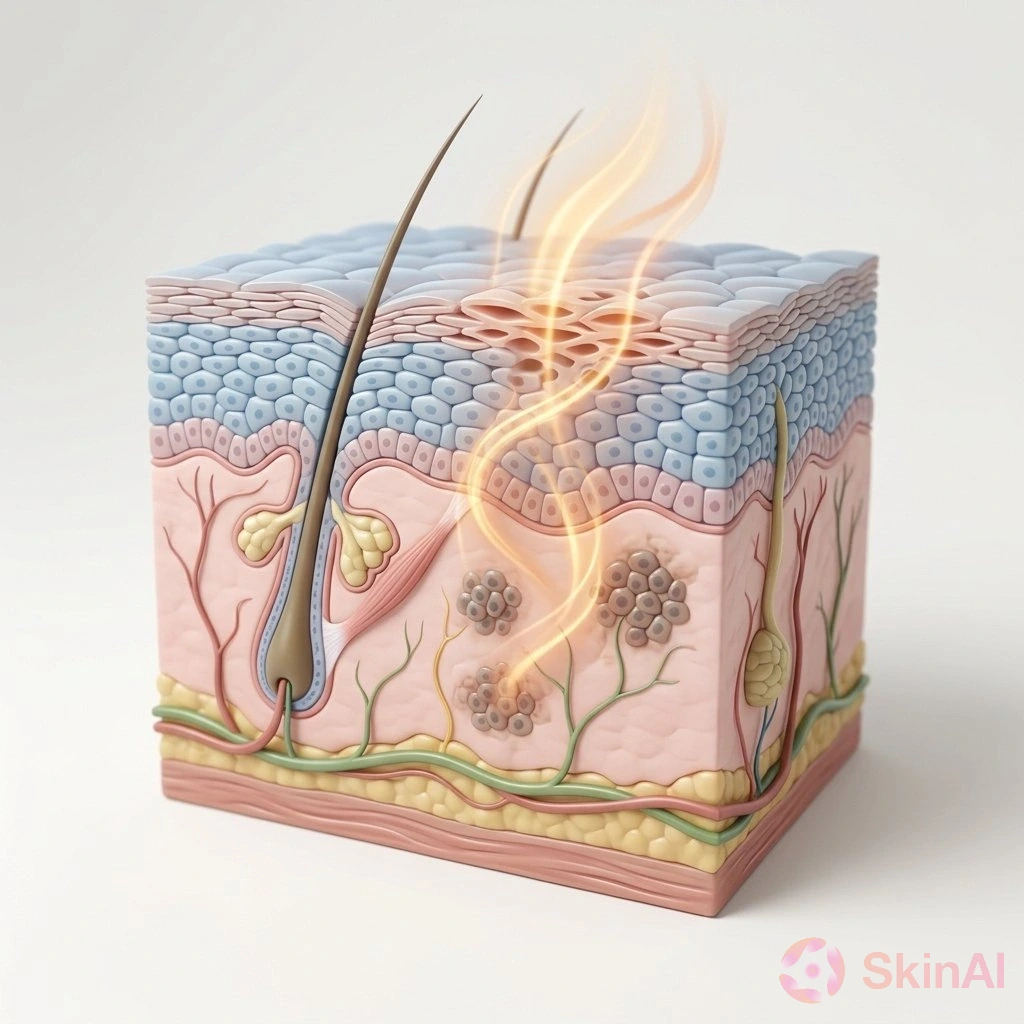
Why skin cancer is getting more attention this year
It’s Skin Cancer Awareness Month, and doctors are sounding the alarm: melanoma and other skin cancers are becoming more common, especially in younger people. That’s worrying because many cases are linked to behaviors we can change, like too much sun and indoor tanning.
What’s behind the rise in skin cancer among younger people?
In a recent interview, Kavita Mariwalla, MD, FAAD — a double board-certified dermatologist and Mohs surgeon who leads the American Society for Dermatologic Surgery — said she’s seeing more young patients with suspicious moles and skin cancers than she used to. That shift has been most noticeable over the last decade.
Several factors are likely at play. People still spend too much time in the sun without proper protection, and indoor tanning is still around in some places. Social media also plays a role. Bronze, tanned looks are trending again, and influencers or celebrities sometimes show tan lines as if they’re fashionable. When popular people normalize tanning, others may follow.
Another issue is growing distrust of expert health advice. Some people question scientific guidance or believe social media remedies over proven tools like sunscreen. There’s also been less federal action on tanning regulation lately, which can make people think the risk is smaller than it really is.
What doctors tell younger patients
One phrase Dr. Mariwalla uses a lot is: the skin remembers everything. That means sunburns, tanning-bed sessions, and years of unprotected sun exposure add up. The damage may not show right away, but it can lead to skin cancer or noticeable aging later on.
Because younger people often don’t see immediate consequences, they can be hard to convince. Dr. Mariwalla says when someone reaches the point of noticing fine lines or changes in their skin, they’re more likely to take protection seriously. Until then, appealing to vanity — how sun exposure makes you look older, enlarges pores, or worsens scars — can sometimes be an effective way to encourage sun-safe habits.
Simple sun-safety tips that may help lower risk
Doctors recommend common-sense steps to protect your skin. None of these are guarantees, but they can help reduce harmful UV exposure:
- Wear broad-spectrum sunscreen on exposed skin. Reapply often, especially after swimming or sweating.
- Use protective clothing, like wide-brim hats and long sleeves, when you expect prolonged sun exposure.
- Seek shade during the strongest sun hours (usually mid-morning to mid-afternoon).
- Avoid tanning beds and intentional tanning sessions.
- Remember less-obvious areas such as the hands, chest, and shoulders when you protect your skin.
How dermatologists can help beyond the exam room
Dr. Mariwalla emphasizes that prevention and early detection both matter. Dermatologists and Mohs surgeons can also be advocates. While federal action on tanning rules has slowed, local and state-level regulation can still make a difference. Clinicians can also support research into better sunscreen ingredients and public education efforts to counter harmful trends.
Tracking changes in your skin
It’s helpful to keep an eye on your skin over time. Taking regular photos of moles or spots can show slow changes and make it easier to tell a doctor what you’ve noticed. Small, regular checks can help you spot something that’s new or different sooner.
When to see a doctor
If you notice any of the following, make an appointment with a dermatologist or primary care provider for evaluation:
- A mole or spot that has changed in size, shape, or color
- A lesion that bleeds, hurts, or doesn’t heal
- A fast-growing lump or sore
- New spots that look unusual compared with your other moles
Any worrying or changing skin sign should be checked by a professional. This article is informational and not a replacement for medical advice.
Quick summary
Skin cancer rates are rising, especially in younger people. Contributing factors include UV exposure, tanning behavior, social media trends, and skepticism about medical advice. Simple protective steps and early checks may help lower risk, and dermatologists can play a role in education and local advocacy.
Sources
- Interview with Kavita Mariwalla, MD, FAAD, double board-certified dermatologist, Mohs surgeon, and president of the American Society for Dermatologic Surgery (ASDS).