
New Melanoma Vaccine Cuts Recurrence Risk by Nearly Half After 5 Years
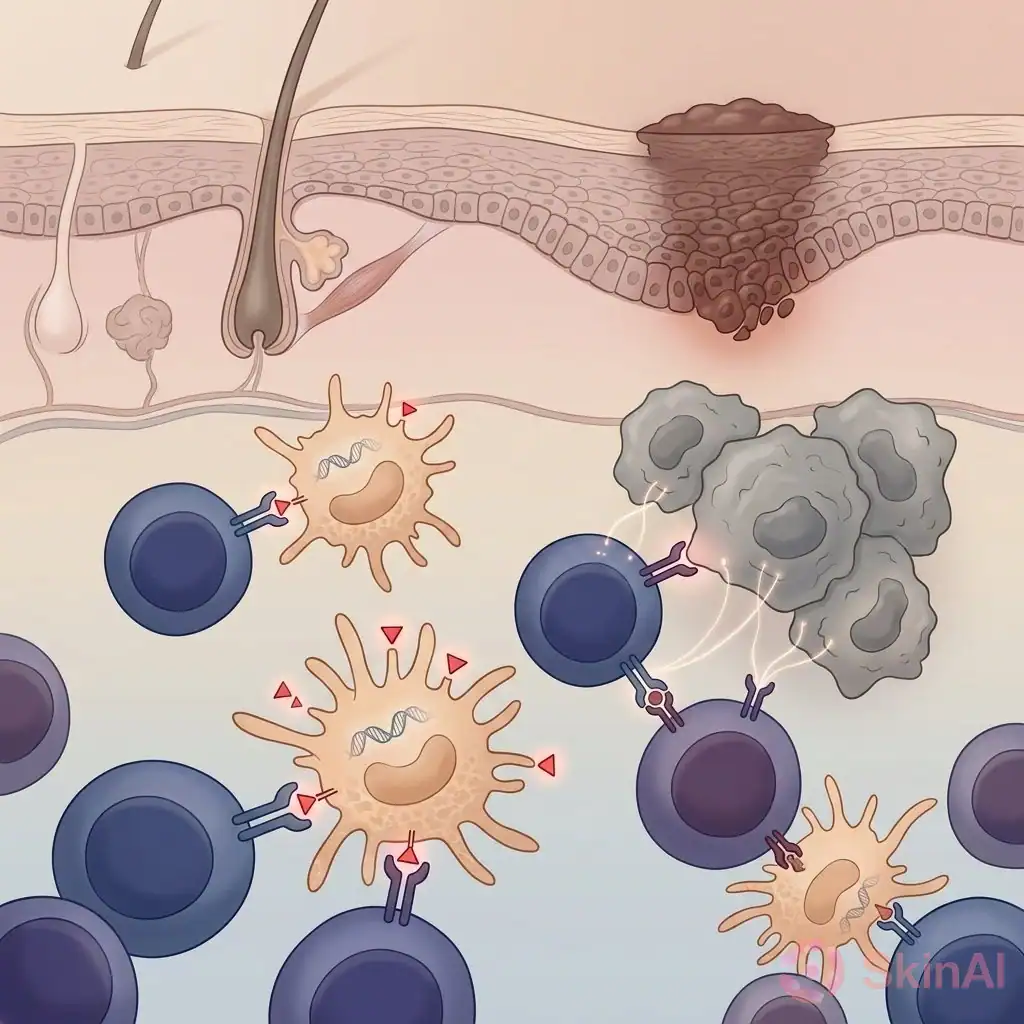
New combination of vaccine and immunotherapy may cut melanoma comeback risk
After surgery to remove melanoma, one of the biggest worries is that the cancer will come back. A recent clinical trial found that combining a personalized mRNA vaccine with an existing immunotherapy lowered the chance of cancer returning or causing death by about 49% at five years of follow-up. These are early but encouraging results for people with melanoma who are worried about recurrence.
What the study tested
The trial, called KEYNOTE-942, was led by researchers at NYU Langone Health and Perlmutter Cancer Center. It looked at 157 people who had surgery to remove melanoma tumors. Of those, 107 were randomly assigned to get a personalized vaccine called intismeran plus the immunotherapy drug pembrolizumab (Keytruda). A comparison group of 50 people received only pembrolizumab after surgery, which is a current standard treatment. (Source: KEYNOTE-942 trial; Journal of Clinical Oncology, 2026)
The results were presented at the 2026 meeting of the American Society of Clinical Oncology and published in the Journal of Clinical Oncology. Patients were enrolled at cancer centers in the United States and Australia between 2019 and 2021. (Source: American Society of Clinical Oncology, 2026)
Five-year results in plain language
After five years of follow-up:
- About 68.8% of people who received the vaccine plus pembrolizumab were still free of cancer.
- About 49.1% of people who received pembrolizumab alone were cancer free.
- Overall, adding the vaccine was associated with a 49% lower risk of either the cancer coming back or death during the study period.
- The combo also cut the risk that the cancer would spread to distant parts of the body by 59%.
- Five-year overall survival was 92.2% in the vaccine-plus-immunotherapy group and 71.3% in the pembrolizumab-only group.
Seven people in each group died during follow-up, and most of those deaths were due to cancer. Side effects were described as manageable and included fatigue, soreness at injection sites, and chills. (Source: KEYNOTE-942 trial; Journal of Clinical Oncology, 2026)
How this approach works
The experiment combines two ways of helping the immune system fight cancer.
First, pembrolizumab is a type of immunotherapy called a PD-1 inhibitor. It blocks a “checkpoint” on immune cells so the immune system can better spot and attack cancer cells.
Second, intismeran is a personalized vaccine made from messenger RNA, or mRNA. The vaccine is designed using information from each person’s removed tumor. Researchers look for abnormal tumor proteins, called neoantigens, that are unique to that cancer. The vaccine teaches the immune system to recognize those neoantigens so T cells can seek out and destroy any remaining or returning melanoma cells.
T cells are immune cells that can kill infected or abnormal cells. Cancer cells often hide from T cells by using checkpoint molecules. The vaccine helps T cells learn what the cancer looks like, and pembrolizumab helps keep the T cells active against it. Together, they aim to reduce the chance of the tumor coming back.
What this means — and what it doesn’t
These results are promising because they suggest a personalized mRNA vaccine may improve long-term outcomes when added to standard immunotherapy for melanoma after surgery. The study was a Phase IIb trial, which tests whether a treatment shows enough benefit to move to larger trials. A larger Phase III trial is already underway to confirm whether the vaccine helps as a first-line treatment together with pembrolizumab for melanoma. The vaccine is also being tested in other cancers such as lung cancer. (Source: KEYNOTE-942 trial; Journal of Clinical Oncology, 2026)
It’s important to be cautious. While the five-year numbers are encouraging, larger and longer trials are needed before this becomes a routine treatment option. People should talk with their oncology team about whether new treatments or clinical trials might be appropriate for their situation.
Keeping an eye on your skin
If you have a history of melanoma or are tracking moles and spots, it can help to take photos and note any changes over time. Anything that grows quickly, changes shape or color, starts bleeding, becomes painful, or looks different from your other moles should be checked by a doctor right away. For serious or worrying changes, seek medical advice without delay.
When to see a doctor
Talk to your dermatologist or cancer specialist if you have concerns about a mole, a new skin spot, or questions about follow-up care after melanoma treatment. If you notice rapid growth, bleeding, pain, signs of infection, or other concerning symptoms, seek medical attention promptly.
Disclaimer
This article summarizes findings reported at a medical meeting and published in a medical journal. It does not replace medical advice. Treatment decisions should always be made with your doctor or dermatologist.
Sources
- Matteo S. Carlino et al, Individualized neoantigen therapy intismeran autogene (intismeran) plus pembrolizumab (pembro) in resected melanoma: 5-year update of the KEYNOTE-942 study, Journal of Clinical Oncology (2026). DOI: 10.1200/jco.2026.44.16_suppl.9500 (Source: KEYNOTE-942 trial; Journal of Clinical Oncology, 2026)
- Presentation at the 2026 annual meeting of the American Society of Clinical Oncology (Source: American Society of Clinical Oncology, 2026)
References
- Cancer vaccine sustains 49% melanoma reduction after 5 years — https://medicalxpress.com/news/2026-05-cancer-vaccine-sustains-melanoma-reduction.html