
Chickenpox (ICD-10: B01) 🚨
Chickenpox (Varicella): Highly Contagious Viral Disease of Childhood
Chickenpox, or varicella, is an acute, highly contagious viral infection caused by the varicella-zoster virus (VZV), a member of the herpesvirus family. This condition is most commonly observed in children and is often considered a mild, self-limiting illness in healthy individuals. However, chickenpox can lead to serious complications in certain high-risk groups, such as infants, immunocompromised patients, pregnant women, and adults without prior immunity.
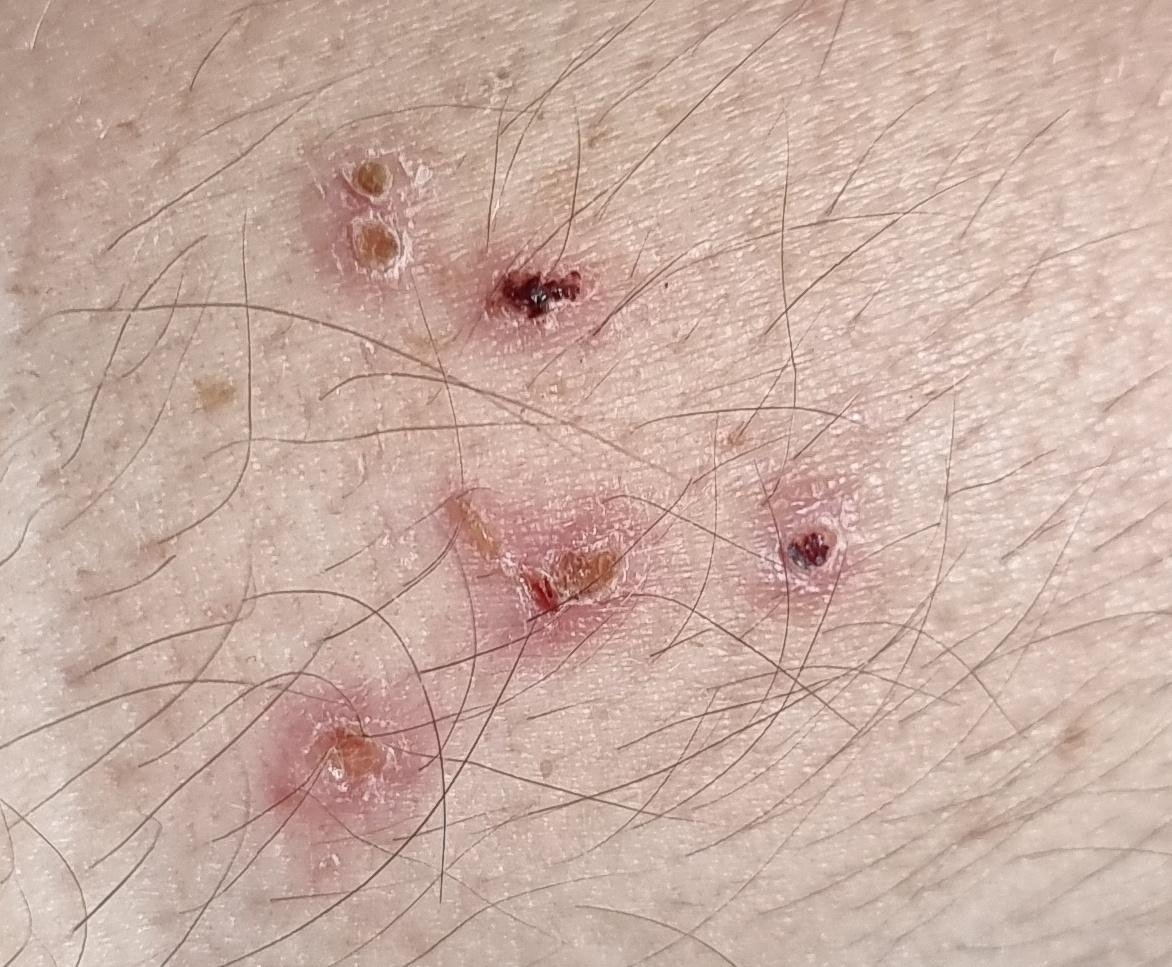
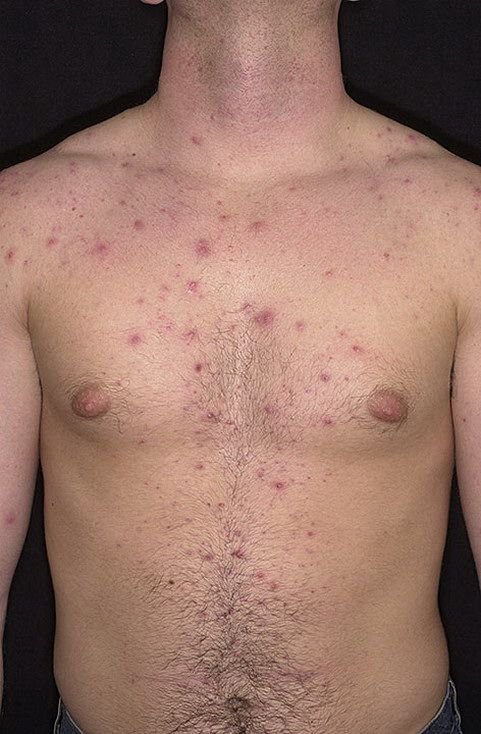
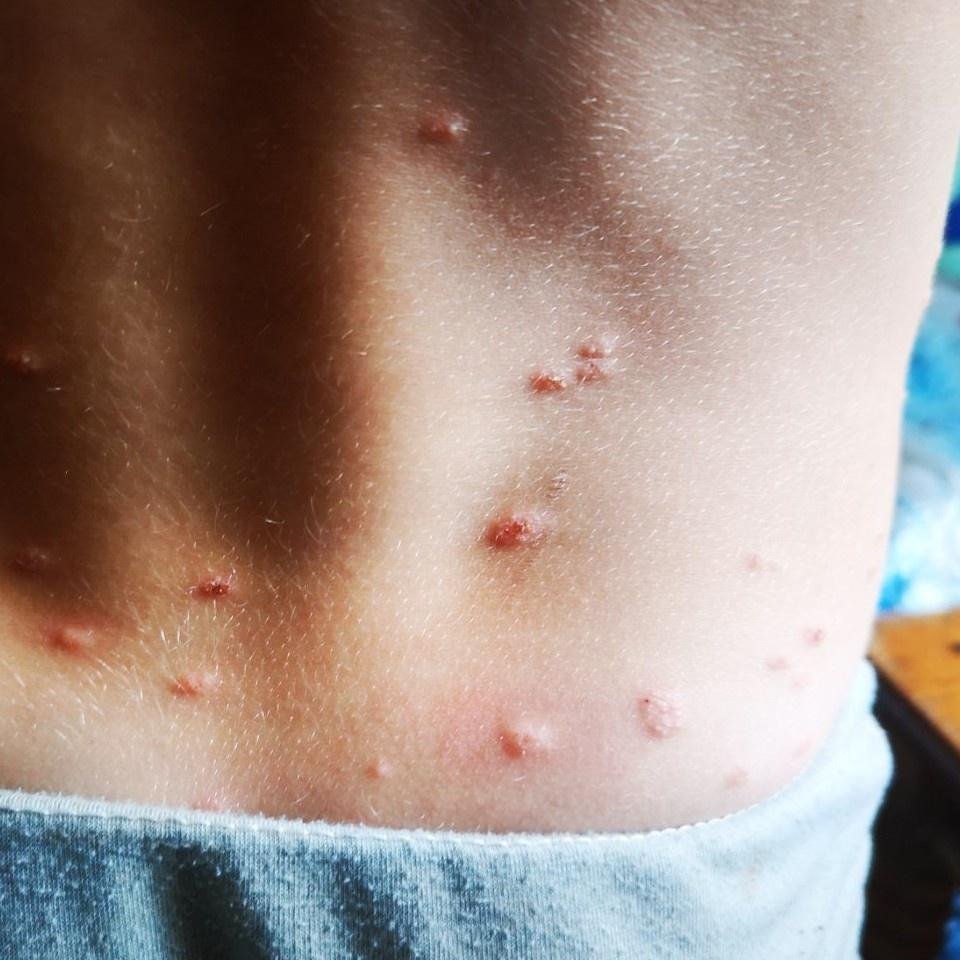
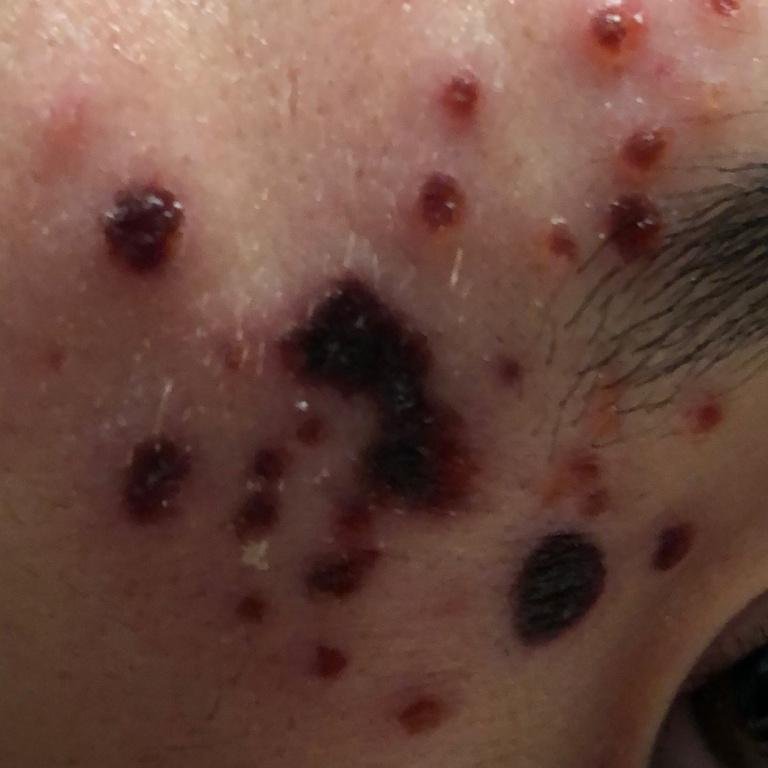
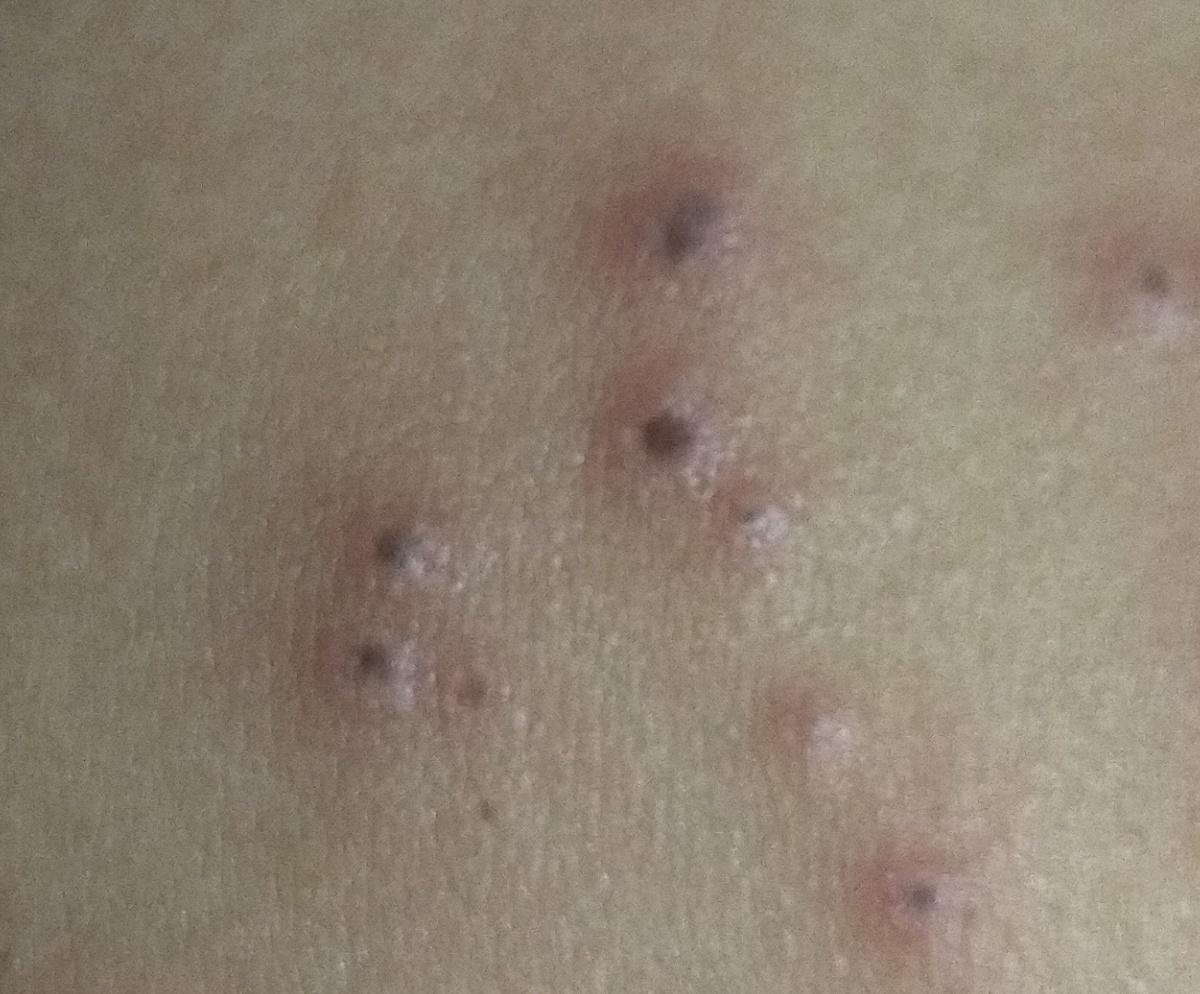
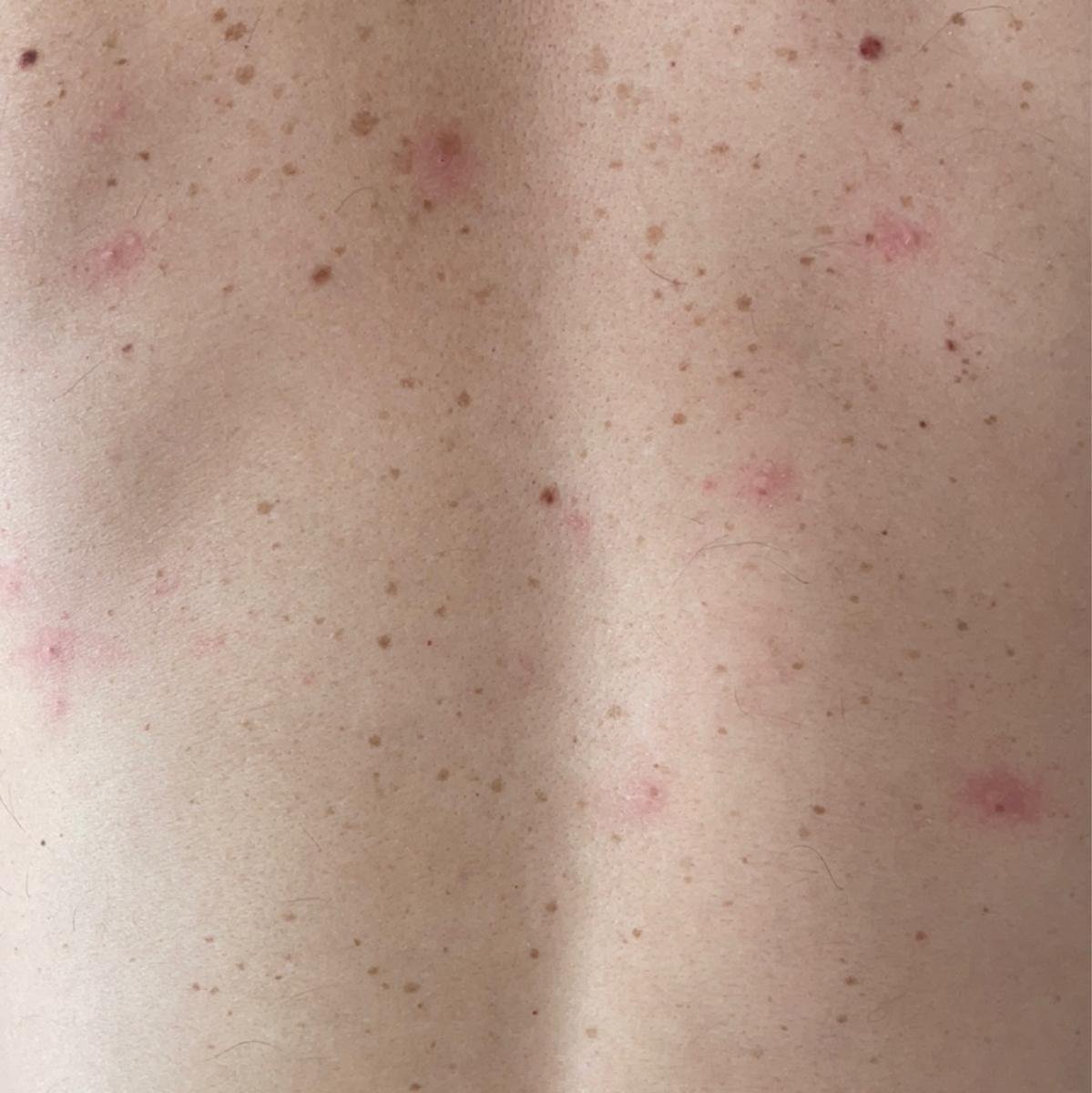
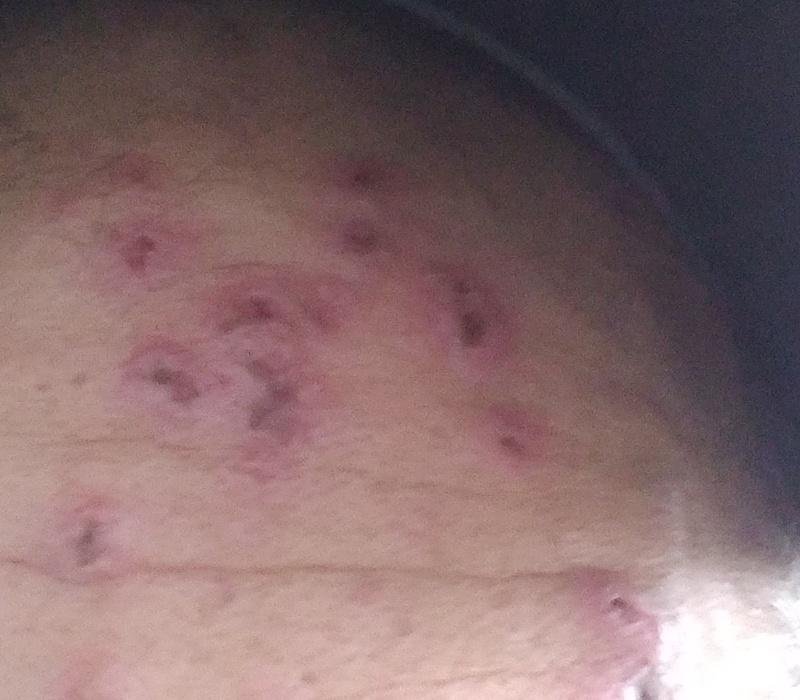
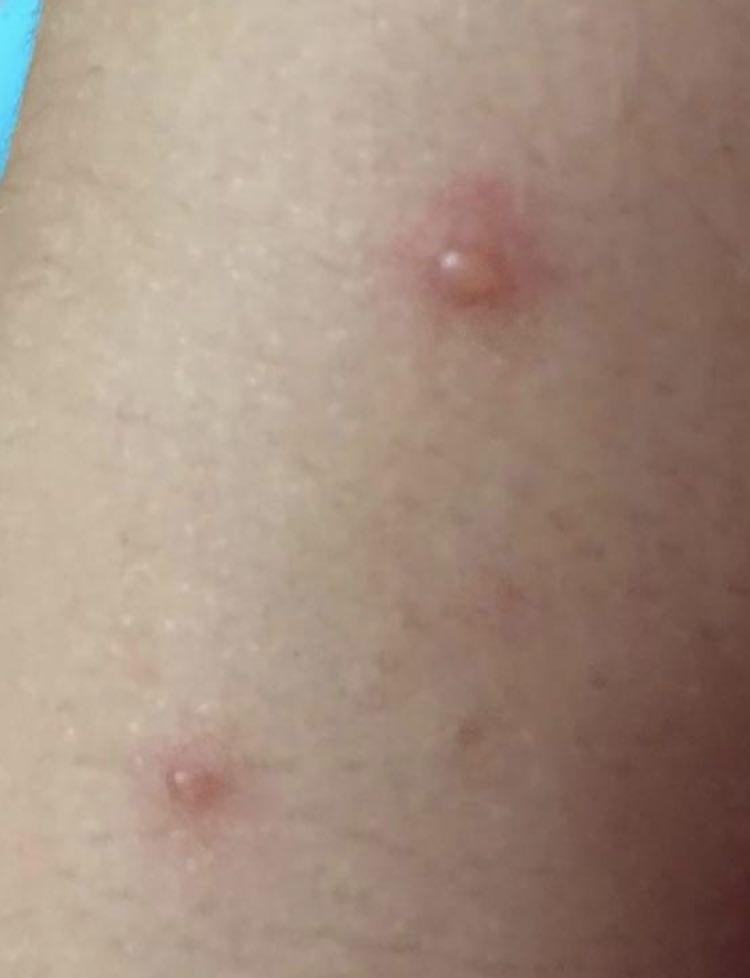
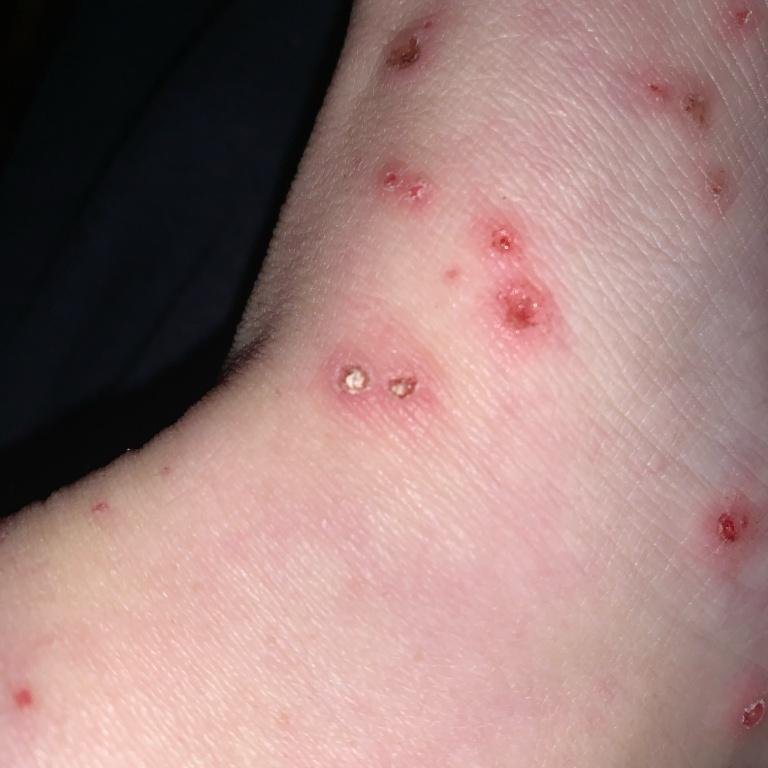
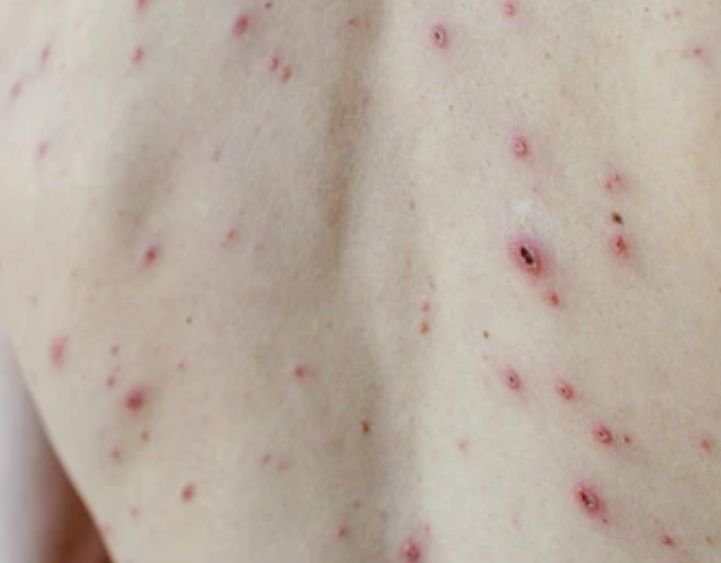
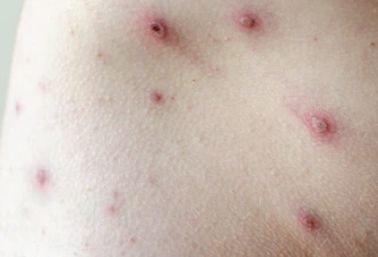
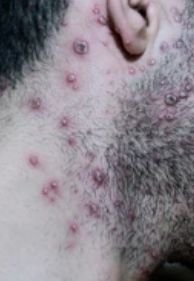
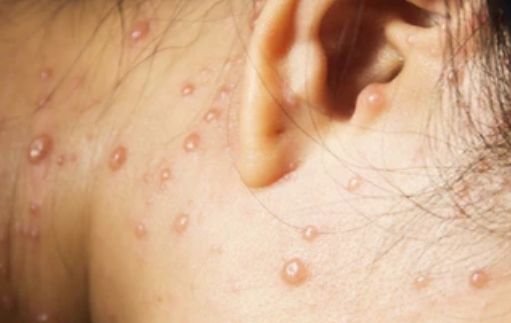
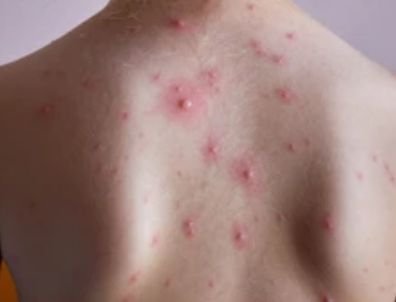
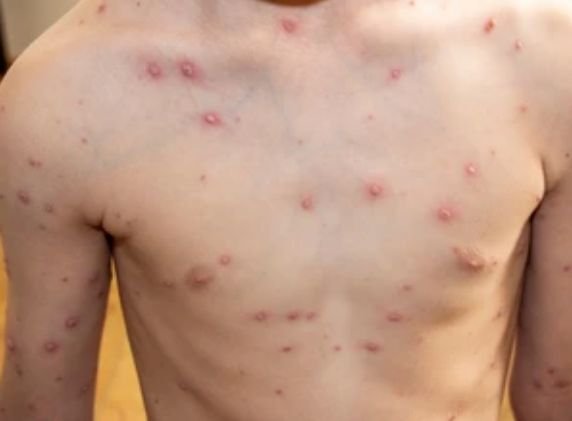
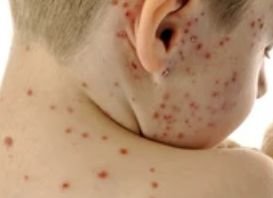
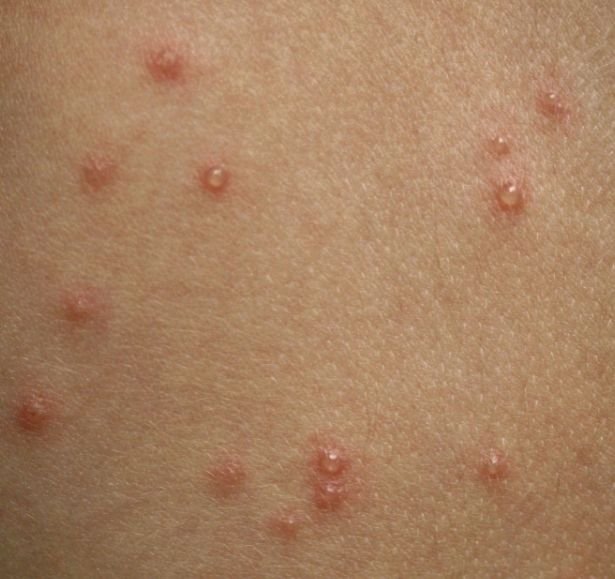
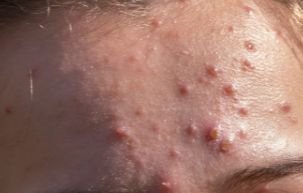
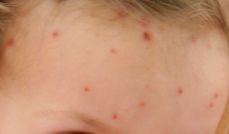
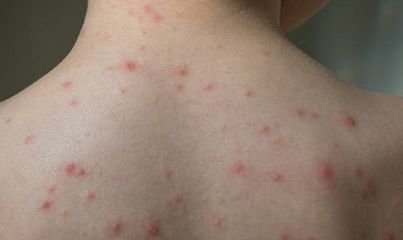
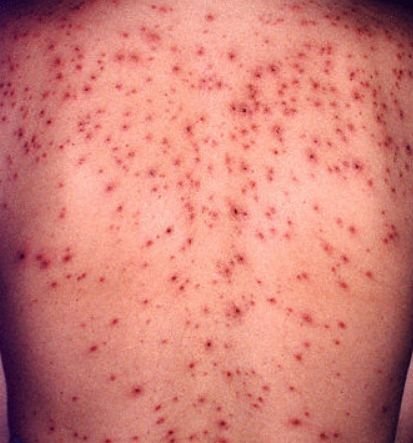
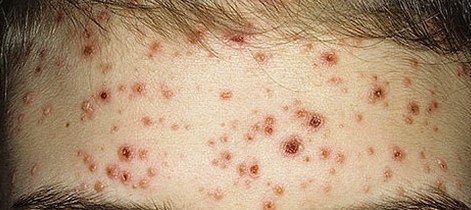
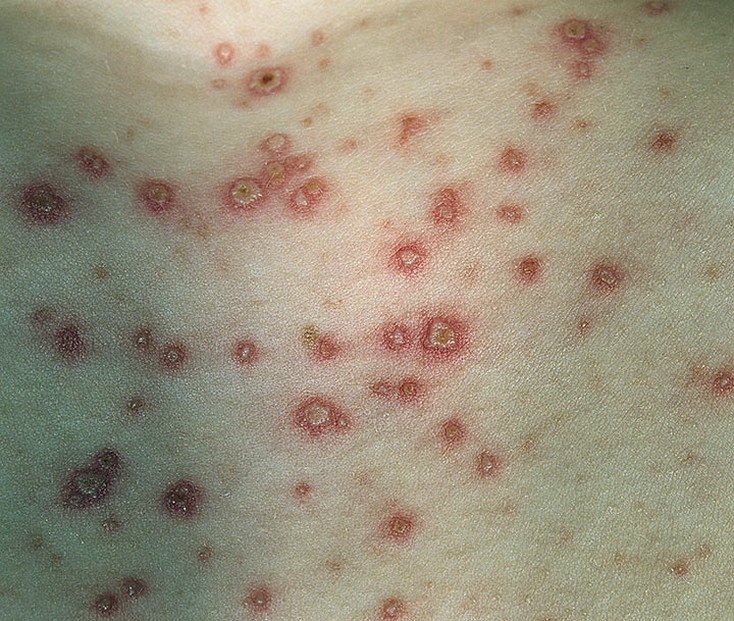
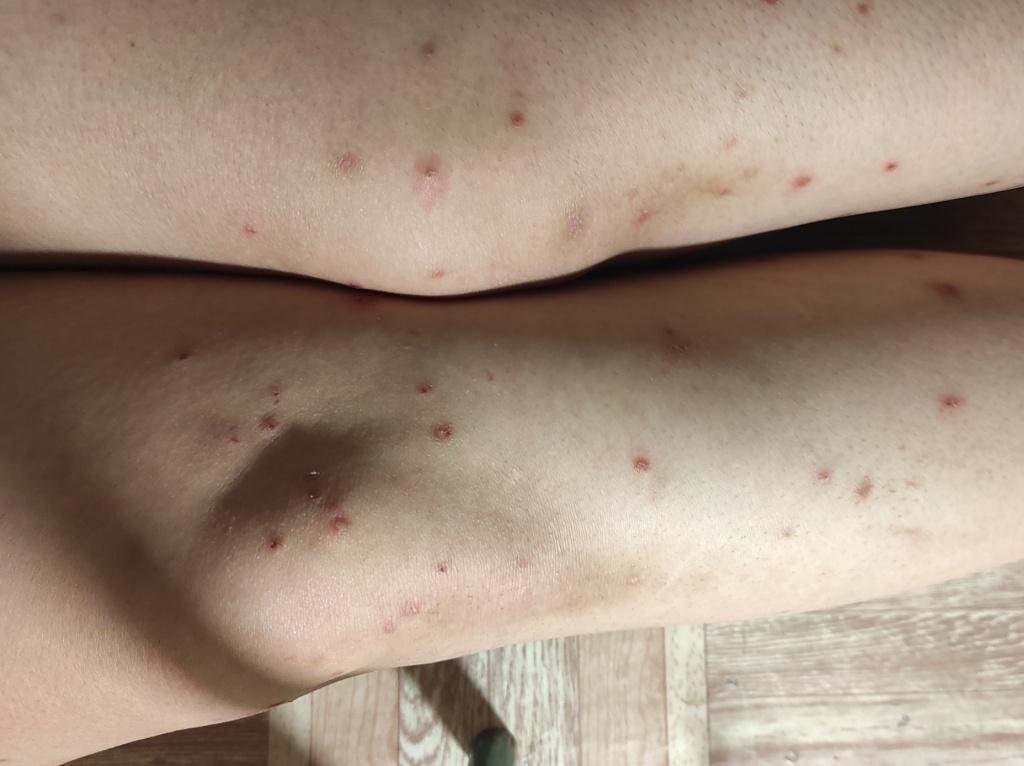
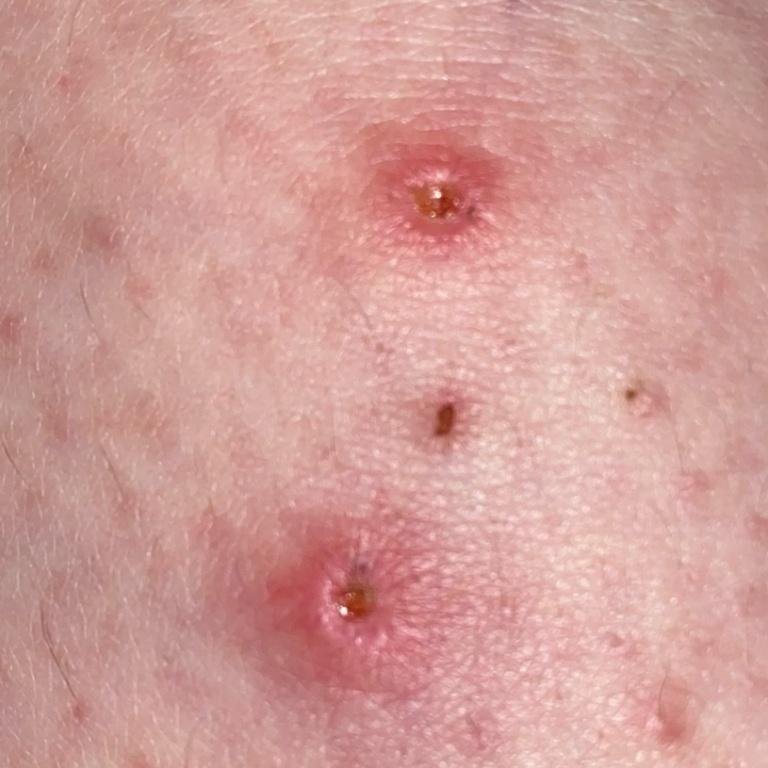
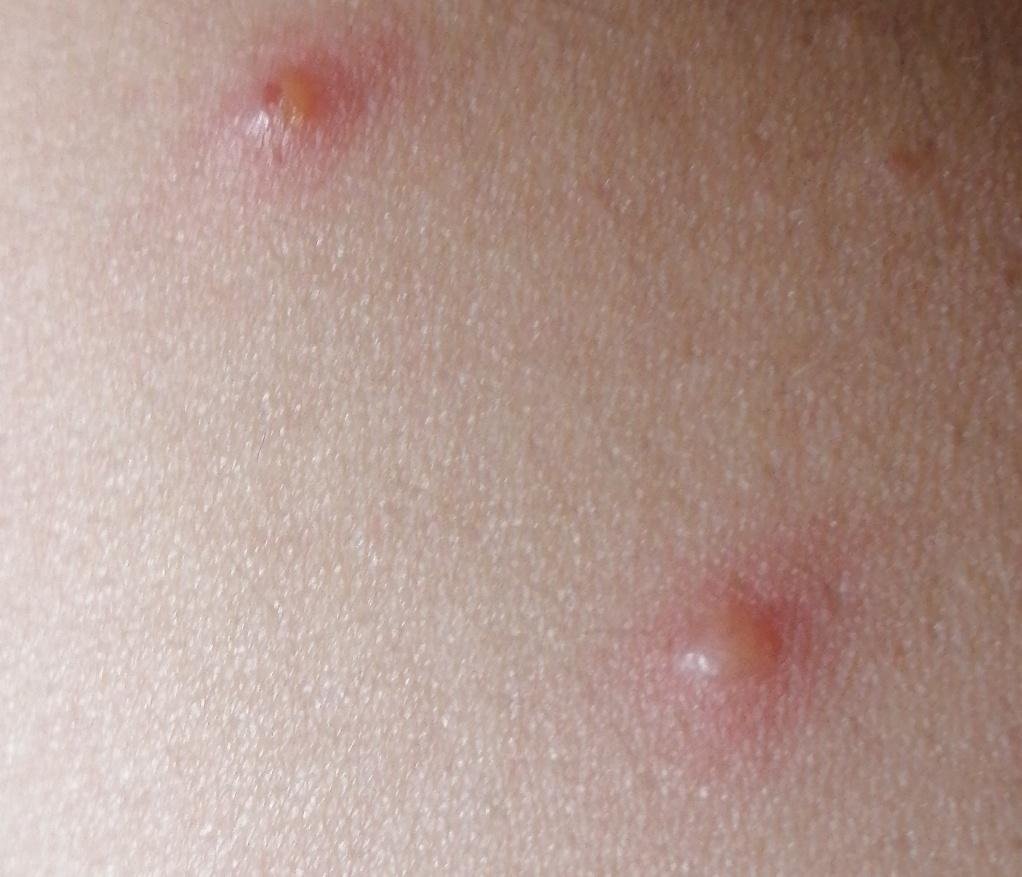
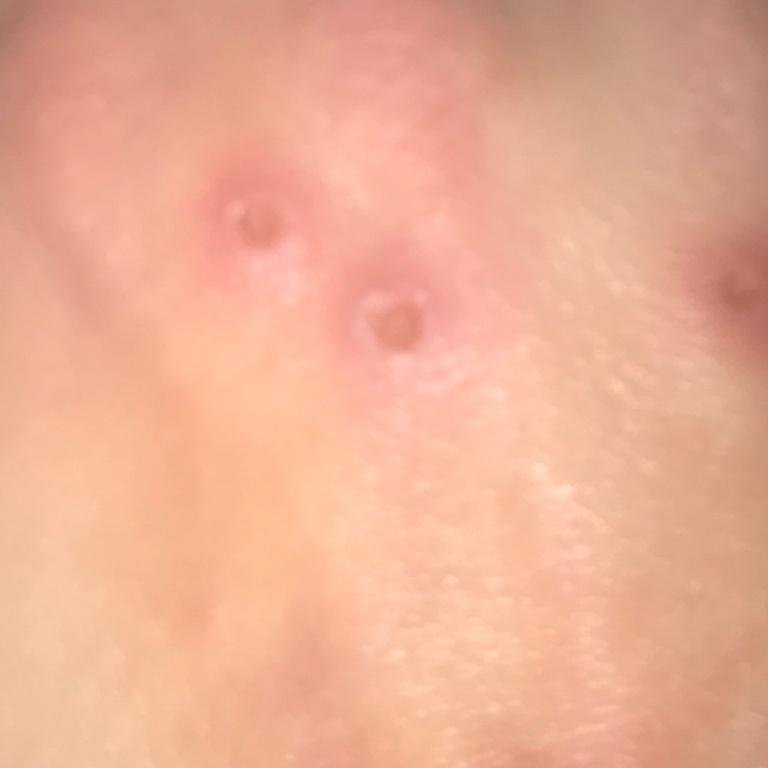
The disease is characterized by systemic symptoms such as fatigue, malaise, low-grade fever, and anorexia, which are followed by a classic exanthem—an intensely itchy rash composed of macules, papules, vesicles, pustules, and crusts, often present simultaneously in different stages of evolution. The rash begins on the trunk and rapidly spreads to the face, scalp, and extremities. In more severe cases, lesions may also be present in mucous membranes, including the mouth and genitals.
Chickenpox is highly infectious, with transmission occurring via airborne particles and through direct contact with fluid from vesicles. Because the virus is airborne, coughing and sneezing spread it efficiently in enclosed environments such as households, schools, and daycare centers; contaminated surfaces are a far less important route. The contagious period begins approximately 1–2 days before the appearance of the rash and continues until all lesions have crusted over — often around 5–7 days after rash onset, though it can take longer.
Who Is at Risk?
Chickenpox most commonly affects children between the ages of 5 and 9. However, with the increasing use of early childhood education centers, more cases are now seen in preschool-aged children. The infection rate is extremely high—up to 90% of susceptible individuals develop the disease upon exposure to the virus.
Seasonal patterns show a higher incidence of chickenpox in the winter and spring months, particularly in temperate regions. Once infected, individuals generally develop lifelong immunity to chickenpox, although the virus remains dormant in the body. In some cases, it may reactivate later in life as herpes zoster (shingles), a condition that causes painful nerve inflammation and skin rashes, typically in individuals over 60 years of age or in immunocompromised patients.
Pathophysiology of the Virus
Following inhalation or mucosal contact, the varicella-zoster virus infects the epithelial cells of the upper respiratory tract. From there, it disseminates through regional lymph nodes and enters the bloodstream (primary viremia). The virus then localizes in the reticuloendothelial system, where it replicates further. A secondary viremia results in widespread dissemination to the skin and mucous membranes, where the characteristic rash develops. The virus also establishes latency in the dorsal root ganglia of sensory nerves, from which it may later reactivate as shingles.
This mechanism of lifelong latency is a hallmark of herpesviruses, and it underscores the importance of vaccination and long-term monitoring of individuals with a weakened immune response.
Signs and Symptoms: How Chickenpox Manifests Clinically
Clinical symptoms of chickenpox typically appear 10 to 21 days after exposure to the virus. The disease usually begins with a prodromal phase characterized by fatigue, low-grade fever, headache, malaise, and loss of appetite. In children, this phase may be very mild or absent; in adults, systemic symptoms tend to be more pronounced.
Within 24 hours of onset, a characteristic skin rash appears. The rash usually starts on the chest and back, then spreads rapidly to the face, scalp, arms, legs, and sometimes to mucous membranes (oral cavity, conjunctiva, and genitals).
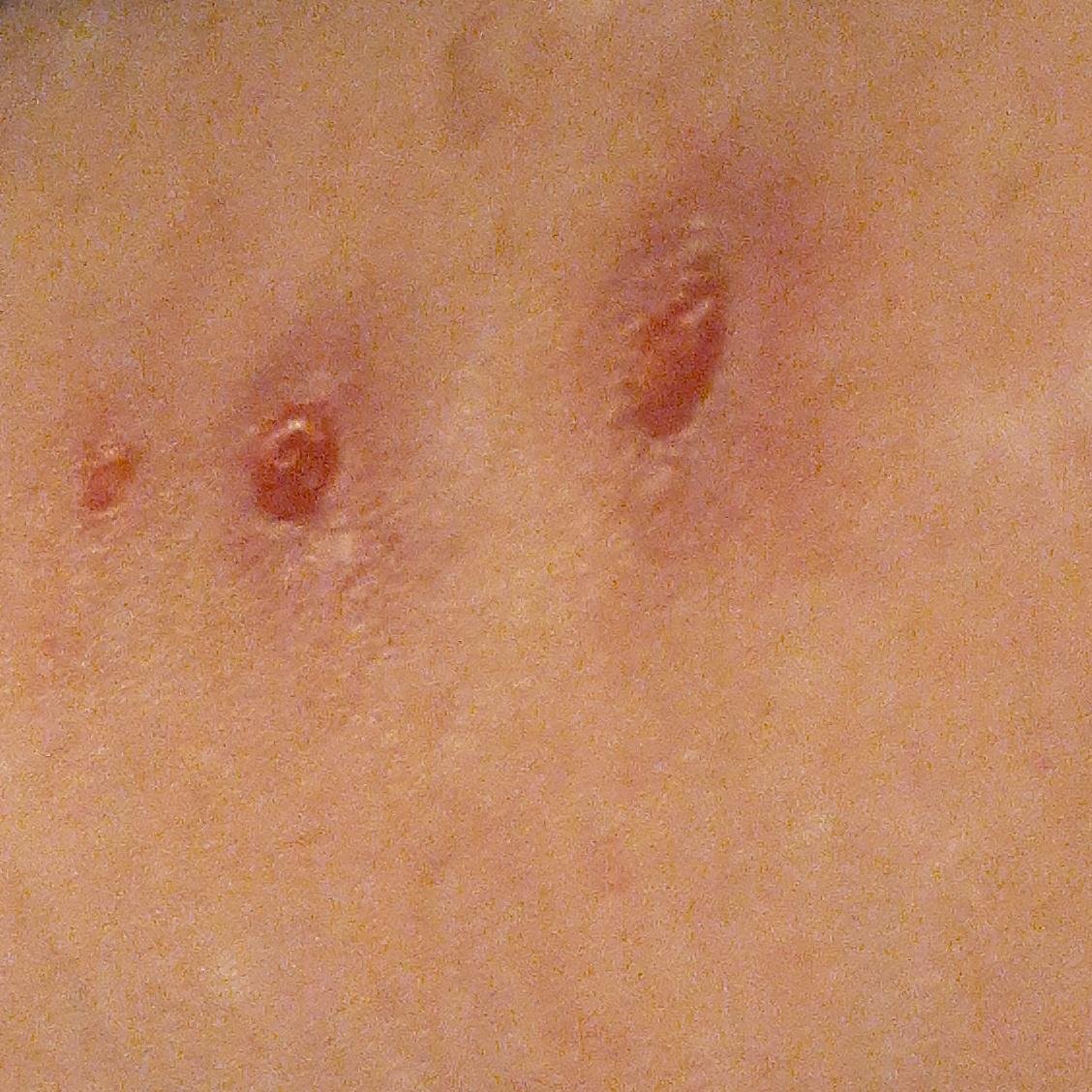
The rash progresses through several distinct stages:
- Macules: Small, red, flat spots that mark the initial eruption.
- Papules: Raised, erythematous bumps that develop within a few hours.
- Vesicles: Fluid-filled blisters with clear or yellowish contents, often described as “dew drops on a rose petal.”
- Pustules: Vesicles may become cloudy or pustular in some cases.
- Crusts: Lesions eventually rupture, dry, and form scabs that fall off within 1–2 weeks without scarring in most cases.
Itching is typically severe and may lead to scratching, which increases the risk of secondary bacterial infection and scarring. Chickenpox lesions can vary in number: some individuals have only a few spots, while others may develop hundreds.
Diagnostics: How Chickenpox Is Confirmed
In most cases, the diagnosis of chickenpox is clinical and based on the presence of the classic skin lesions in multiple stages of development, along with systemic symptoms such as fever and malaise. However, in atypical presentations or in immunocompromised patients, additional diagnostic tests may be required.
Diagnostic tools include:
- Polymerase Chain Reaction (PCR): The preferred test when confirmation is needed, performed on fluid from a fresh vesicle or on material from a lesion scab.
- Direct Fluorescent Antibody (DFA): Detects VZV in skin scrapings, but is not a routine test for typical acute chickenpox.
- Serology: Antibody testing has a role in establishing immune status — before vaccination or in pregnancy, for example — rather than in diagnosing an active, typical case.
In all suspected cases, especially in children under 1 year of age, pregnant women, or immunocompromised individuals, it is critical to consult a physician or infectious disease specialist promptly for appropriate monitoring and care planning.
Treatment: How Chickenpox Is Managed
In healthy children with no underlying conditions, chickenpox is usually self-limiting and requires only symptomatic treatment. The goal is to alleviate discomfort and prevent complications.
Supportive care includes:
- Antipyretics: Paracetamol (acetaminophen) is used to control fever. Avoid aspirin due to the risk of Reye’s syndrome.
- Antihistamines: Oral or topical medications may be prescribed to relieve itching.
- Calamine lotion or cooling gels: Help soothe the skin and reduce irritation.
- Proper hydration and nutrition: Soft, non-acidic foods and adequate fluid intake are essential, especially if oral lesions are present.
- Hygiene measures: Regular handwashing, short fingernails, and antiseptic skin care reduce the risk of secondary infections.
- Loose, breathable clothing: Prevents skin irritation and overheating.
Antiviral treatment:
Oral acyclovir or valacyclovir may be considered for selected patients, including adolescents and adults and those with chronic skin or lung conditions. Starting treatment early in the illness gives the greatest benefit, but antiviral therapy is not limited to a fixed 24–48 hour window: severe disease, and patients at high risk such as neonates, pregnant women and immunocompromised individuals, may require intravenous acyclovir whenever they present. The choice of drug, route and timing depends on the clinical circumstances and should be made by a physician.
Varicella-zoster immune globulin (VZIG) may be administered as post-exposure prophylaxis in at-risk individuals to reduce disease severity.
Complications: When Chickenpox Becomes Dangerous
While typically mild, chickenpox can occasionally result in serious complications that necessitate hospitalization and aggressive treatment. The most frequent complications include:
- Secondary bacterial skin infections: Often caused by Staphylococcus aureus or Streptococcus pyogenes, may require antibiotics.
- Pneumonia: More common in adults, smokers, and immunocompromised individuals.
- Sepsis: A rare but life-threatening condition requiring urgent intervention.
- Encephalitis or cerebellar ataxia: Inflammation of the brain or cerebellum, presenting as confusion, seizures, or motor dysfunction.
- Congenital varicella syndrome: Can result from maternal infection during the first 20 weeks of pregnancy, leading to fetal anomalies.
High-risk groups—especially pregnant women, newborns, HIV-positive individuals, cancer patients, and those on immunosuppressive therapy—require close monitoring and early antiviral therapy to reduce morbidity and mortality.
Prevention: Reducing Transmission and Protecting At-Risk Groups
Chickenpox is contagious from 1–2 days before the rash appears until all lesions have crusted over. This infectious period presents a major challenge for preventing transmission, especially in schools and daycare settings.
To reduce the spread of the virus:
- Infected individuals should remain at home and avoid contact with others until all skin lesions have crusted over — often around 5–7 days after rash onset, though sometimes longer.
- Strict hand hygiene and environmental disinfection should be practiced.
- Children with chickenpox should not attend school, and adults should avoid workplaces involving contact with vulnerable populations.
Vaccination
The most effective strategy for chickenpox prevention is vaccination. The varicella vaccine is a live attenuated virus vaccine administered in one or two doses, depending on age and national immunization schedules. Vaccination is highly effective at preventing severe varicella, and protection against milder disease is lower — which is why two doses are used in many national schedules. The number of doses, the age at which they are given and post-exposure recommendations follow national immunisation guidance, which differs between countries.
The varicella vaccine contains live attenuated virus and is therefore contraindicated during pregnancy and in certain immunocompromised patients. Where a susceptible person in one of these groups is exposed, varicella-zoster immune globulin or antiviral prophylaxis is considered instead of vaccination, on specialist advice.
Post-exposure vaccination within 3–5 days of contact with an infected individual can still prevent or significantly reduce disease severity. Vaccination is especially important for:
- Children aged 12 months and older;
- Unvaccinated adults who have never had chickenpox;
- Healthcare workers and caregivers of immunocompromised patients;
- Women of childbearing age prior to pregnancy.
By combining vaccination, public health measures, and timely medical care, the burden of chickenpox and its complications can be substantially reduced, especially in high-risk populations.
Copyright concern about an image on this page? Write to mail@skinai.pro. Images may not be reused without permission unless an open licence is stated on this page.

Medical review
Board-Certified Dermatologist · Fellow of the American Academy of Dermatology (FAAD)