
New Hidradenitis Suppurativa Guidelines: Biologics and Early Care
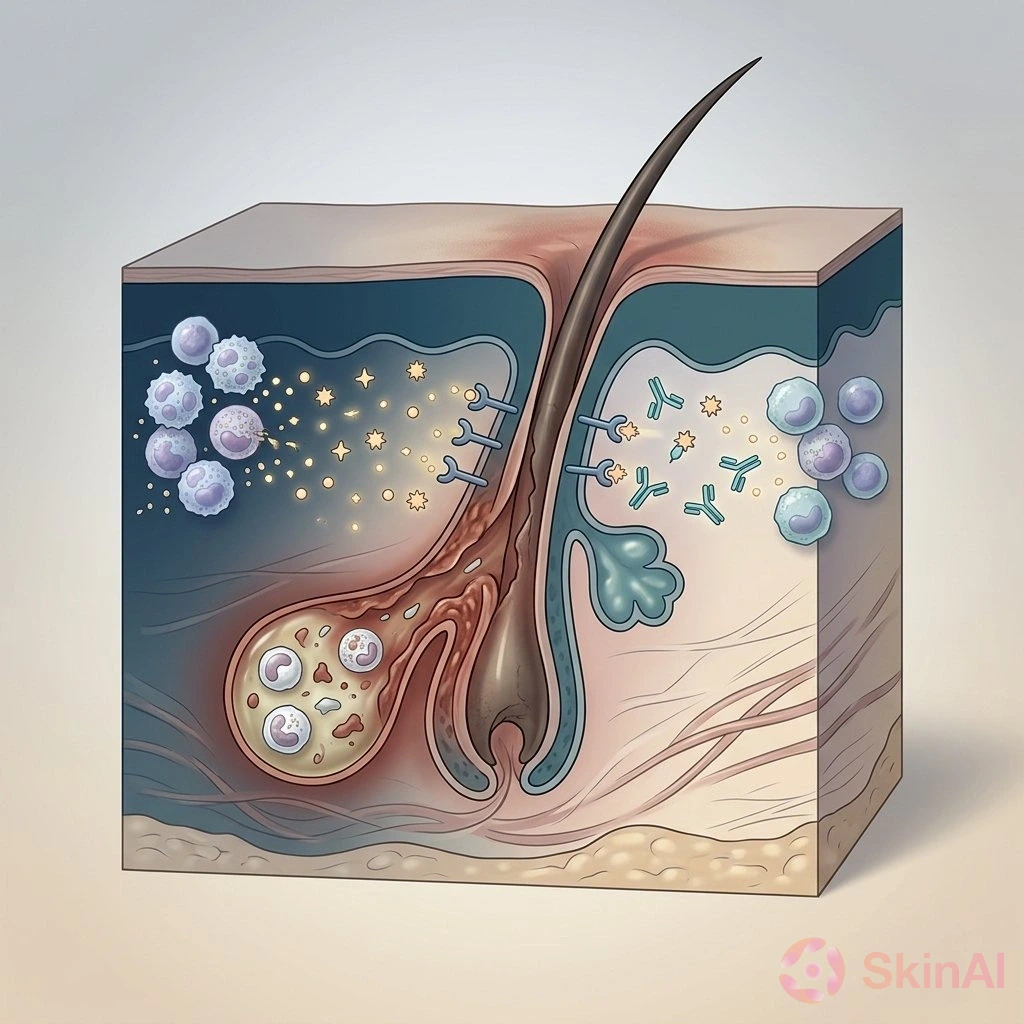
Updated HS guidelines focus on earlier treatment and more options
Hidradenitis suppurativa (HS) is a long-term inflammatory skin condition that can cause painful lumps, draining tunnels under the skin, and scarring. Updated treatment guidelines reflect a growing range of options and emphasize the importance of addressing the condition before lasting damage develops.
The recommendations are supported by the HS Foundation and the American Academy of Dermatology (AAD). They build on guidelines published in 2019 and are intended to help clinicians choose treatments based on the available evidence and each person’s needs. They may also help patients gain access to necessary care. (Source: HS Foundation and AAD, updated HS treatment guidelines)
In an interview with Dermatology Times, Haley Naik, MD, a dermatologist at the University of California, San Francisco, and president of the HS Foundation, discussed what has changed and what the recommendations could mean for people living with HS. (Source: Dermatology Times interview with Haley Naik, MD)
More treatment options for moderate to severe HS
Since the earlier guidelines were published, the U.S. Food and Drug Administration (FDA) has approved two additional biologic medicines for HS: secukinumab (Cosentyx) and bimekizumab (Bimzelx). Biologics are medicines that target specific parts of the immune system involved in inflammation. (Source: Dermatology Times interview with Haley Naik, MD)
The updated guidelines include these medicines among the targeted options for people with moderate to severe HS. They also consider additional evidence for several treatments used off-label, meaning they are used for HS even though they have not been FDA-approved specifically for that condition.
Having more options can give clinicians greater flexibility when developing a treatment plan. The right choice depends on the person’s symptoms, health, preferences, and response to previous treatments.
The organizational support for the guidelines has also changed. The 2019 guidelines were developed jointly by the U.S. and Canadian HS foundations. The updated recommendations have the backing of both the HS Foundation and the AAD. (Source: Dermatology Times interview with Haley Naik, MD)
How the guidelines weigh biologic treatments
The recommendations review evidence for several biologics, including adalimumab, secukinumab, bimekizumab, and infliximab. Not all of these medicines were evaluated using the same types of evidence.
For adalimumab, secukinumab, and bimekizumab, large, late-stage studies known as phase 3 trials used measures called HiSCR50 and HiSCR75. These measures look at how much inflammatory lumps and abscesses, or pockets of pus, improve during treatment, while also accounting for certain signs of worsening. (Source: Dermatology Times interview with Haley Naik, MD)
The recommendations for infliximab draw on a different mix of evidence, including earlier clinical trials, more recent studies, and clinicians’ experience using higher doses more frequently for HS.
What strong and conditional recommendations mean
The guidelines make both strong and conditional recommendations. A strong recommendation generally reflects greater confidence in the balance of available evidence. A conditional recommendation means the most suitable choice may vary depending on the person’s disease, preferences, potential risks, and the demands of treatment.
The guidelines also conditionally recommend against some medicines, including guselkumab, risankizumab, etanercept, and vilobelimab. This means they are generally not recommended for most people with HS, although they might be considered in selected circumstances. Treatment decisions should be made with a doctor or dermatologist. (Source: HS Foundation and AAD, updated HS treatment guidelines)
What about medicines applied to the skin?
The guidelines also discuss treatments applied directly to the skin. In the interview, Naik highlighted studies that compared clindamycin, resorcinol, and ruxolitinib cream with a placebo, an inactive comparison treatment.
These findings suggest the treatments may have a role in managing HS, but larger studies are needed to strengthen the evidence. Additional phase 3 results for ruxolitinib cream were anticipated in the year following the interview and may provide a clearer picture of its role. (Source: Dermatology Times interview with Haley Naik, MD)
Tobacco use and response to treatment
The updated guidelines conditionally recommend stopping tobacco use as a step that may improve how well some HS treatments work. The recommendation is based on findings linking tobacco use with a lower response to certain therapies.
That does not mean stopping tobacco use alone is an effective treatment for HS. More research is needed to understand the relationship between tobacco exposure, HS activity, and treatment results. (Source: HS Foundation and AAD, updated HS treatment guidelines; Dermatology Times interview with Haley Naik, MD)
Why treating HS early matters
One of the main messages in the updated guidance is that HS should be recognized and treated early. The condition can progress over time, leading to draining tunnels beneath the skin and extensive scarring. It can also place a significant burden on a person’s physical and emotional well-being.
Once tunnels and scars have formed, medicines alone cannot fully reverse that structural damage. Earlier care may help address inflammation before such damage develops. (Source: Dermatology Times interview with Haley Naik, MD)
The guidelines emphasize regularly checking on pain, addressing symptoms, and adjusting treatment promptly when HS is not sufficiently controlled. With additional biologic options available and strongly recommended in the updated guidance, Naik emphasized that people should not have to remain on an ineffective treatment for long periods before their care is reassessed.
Putting the recommendations into practice
The HS Foundation has developed HowTreatHS.com as an educational resource to help clinicians understand and apply the updated recommendations. It brings the guidance together in one place and is intended to support treatment plans tailored to individual patients. (Source: HS Foundation, HowTreatHS.com)
Overall, the recommendations encourage earlier action, treatment choices grounded in available evidence, and regular reassessment of how well care is working.
When to talk with a doctor
If you have painful, recurring, changing, or draining skin lesions, speak with a doctor or dermatologist. Seek professional advice if you notice bleeding, signs of infection, fast growth, or a skin change you are unsure about. A clinician can assess your symptoms and discuss which options may be appropriate for you.
This article is for general information and is not a substitute for individual medical advice. Discuss treatment decisions with your doctor or dermatologist.
Sources
- HS Foundation and American Academy of Dermatology. Updated hidradenitis suppurativa treatment guidelines.
- U.S. and Canadian HS foundations. Hidradenitis suppurativa treatment guidelines, 2019.
- Dermatology Times. Interview with Haley Naik, MD, about the updated hidradenitis suppurativa treatment recommendations.
- HS Foundation. HowTreatHS.com, an educational resource for applying the HS treatment guidelines.