
Psoriasis Pustular (ICD-10: L40) 🚨
Pustular Psoriasis: Severe Variant of Chronic Psoriatic Dermatosis
Overview
Pustular psoriasis is a rare and severe form of psoriasis, characterized by the presence of sterile pustules on an erythematous, inflamed background. It can be localized or generalized and is considered by some dermatological schools as a distinct entity due to its distinct clinical behavior, prognosis, and management. Compared to plaque-type psoriasis, pustular psoriasis presents with a more aggressive course and may be associated with systemic symptoms and life-threatening complications.
This condition involves exaggerated immune-mediated inflammation and keratinocyte hyperproliferation, leading to epidermal dysfunction and pustule formation. It can affect both children and adults and may appear de novo or evolve from pre-existing psoriasis vulgaris.
Classification of Pustular Psoriasis
The essential division is between generalized and localized disease. These are not degrees of the same illness: they differ in how they begin, how they behave over time, and how urgently they must be treated, and they should not be read as interchangeable.
Generalized pustular psoriasis (GPP) is an acute, potentially life-threatening illness with widespread sterile pustules on inflamed skin, usually accompanied by fever and systemic upset, and it requires urgent assessment.
- Von Zumbusch pattern: The classic acute presentation, with sheets of pustules, fever and systemic toxicity;
- Annular pattern: Ring-shaped lesions with pustules at the periphery, typically in children or during recovery;
- Impetigo herpetiformis is the name given to GPP when it presents in pregnancy — it is a presentation of generalized pustular psoriasis rather than a separate disease. It is associated with hypocalcaemia and with risks to the pregnancy, and needs joint dermatological and obstetric care.
Localized forms are chronic, confined to particular sites, and are managed quite differently — they are not emergencies, but they are often stubborn and disabling out of proportion to the area involved.
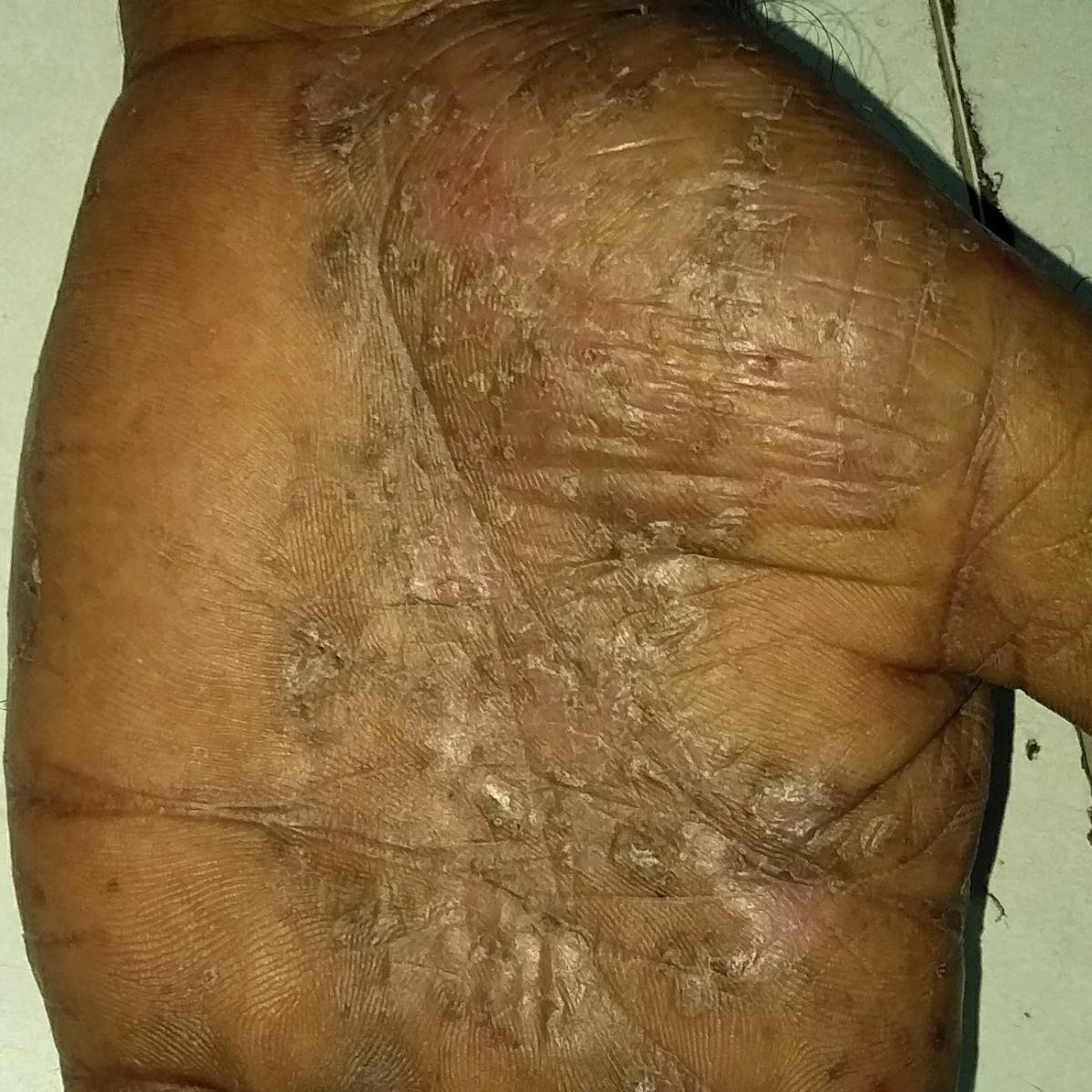
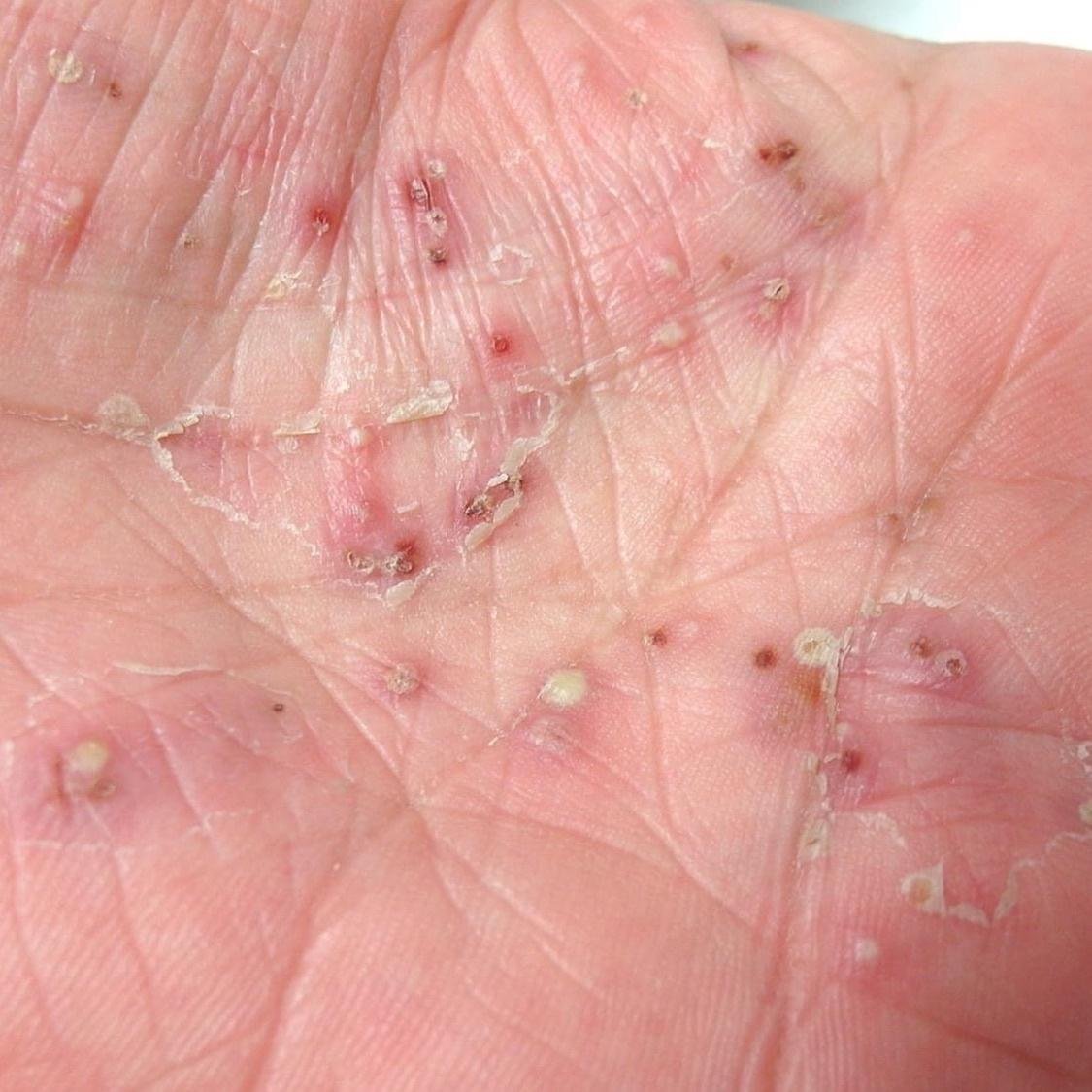
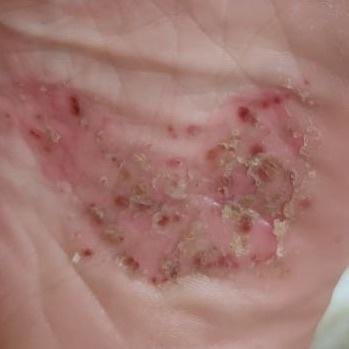
- Palmoplantar pustulosis: Chronic, affecting the palms and soles with painful sterile pustules; strongly associated with smoking;
- Acrodermatitis continua of Hallopeau: Involves the distal digits and nail apparatus, leading to nail loss and, in long-standing disease, bone changes.
Etiology and Triggering Factors
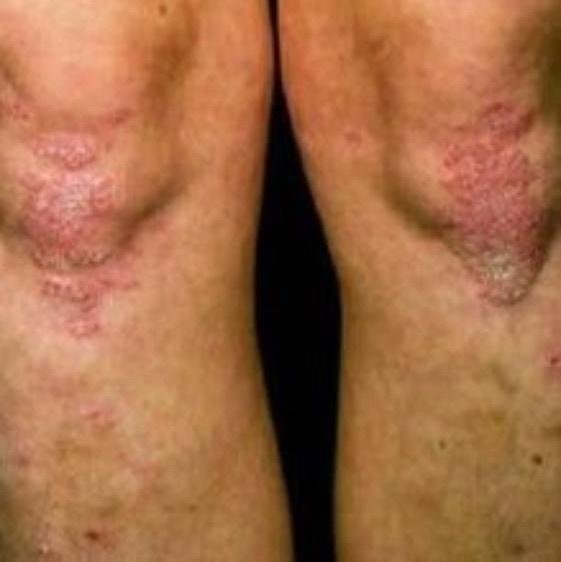
The precise etiology of pustular psoriasis remains unclear. It is believed to involve a genetically predisposed immune dysregulation, often exacerbated by external or internal triggers. Unlike psoriasis vulgaris, known associations with the HLA-Cw6 gene are less prominent.
Potential triggers include:
- Abrupt withdrawal of systemic corticosteroids: The best recognised trigger of generalized pustular psoriasis, and the reason oral steroids are avoided in psoriasis wherever possible;
- Other medications: Including antimalarials, beta-blockers, lithium and some antibiotics, which have been reported to precipitate flares;
- Pregnancy: The recognised setting for generalized pustular psoriasis presenting as impetigo herpetiformis;
- Smoking: Particularly strongly linked to palmoplantar pustulosis;
- Pre-existing psoriasis vulgaris: May evolve into a pustular form, most often after withdrawal of systemic corticosteroids.
Clinical Presentation
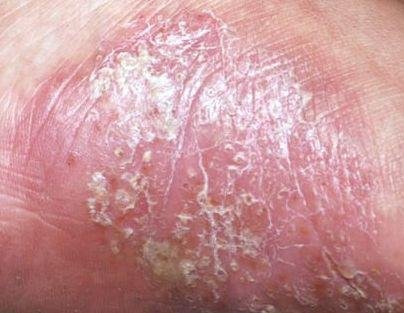
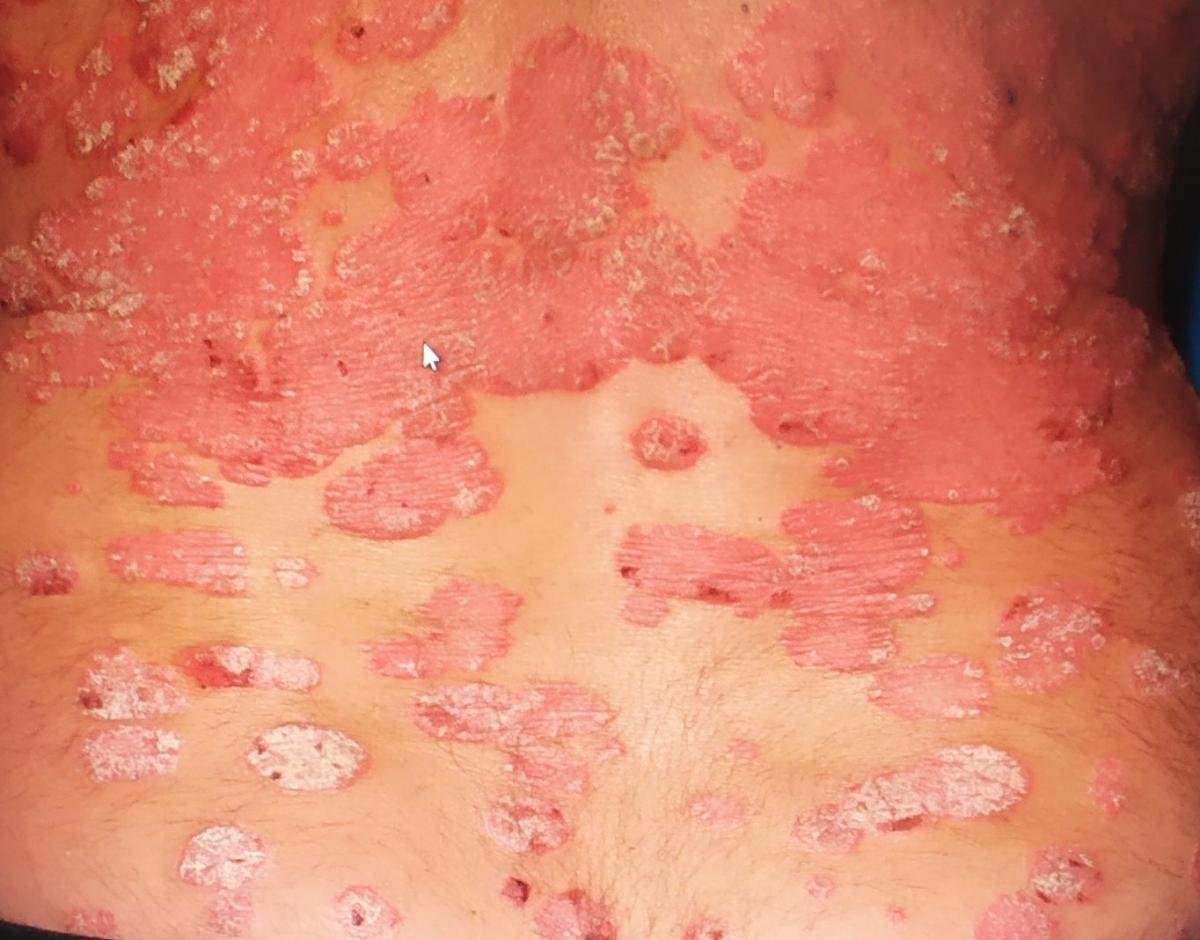
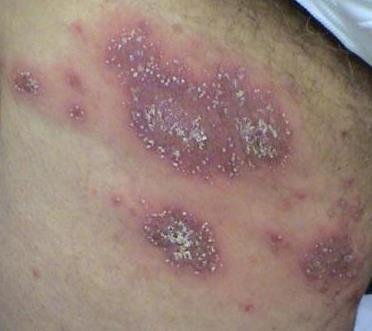
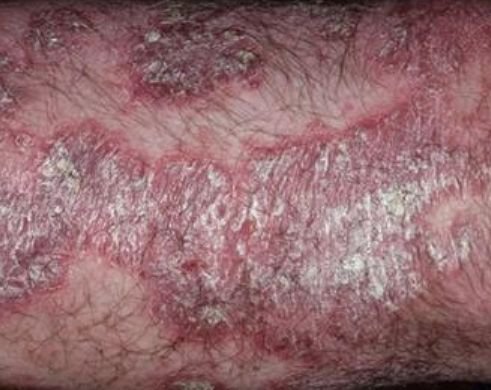
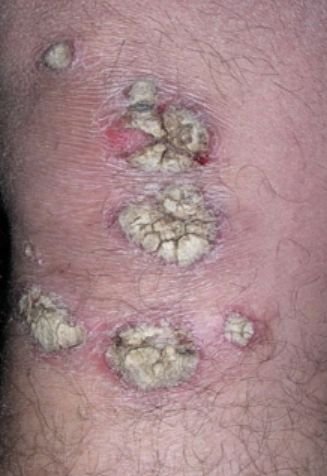
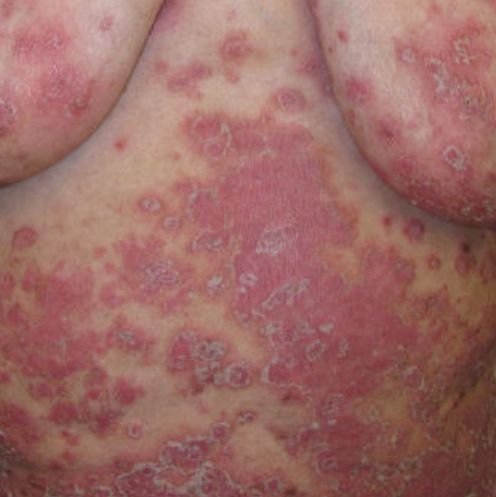
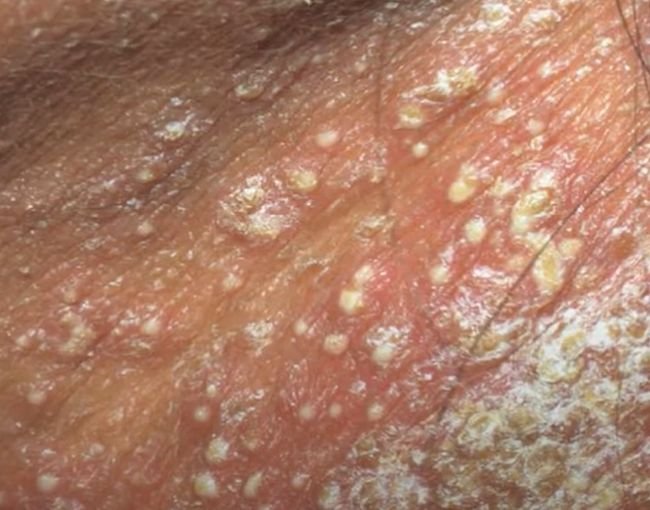
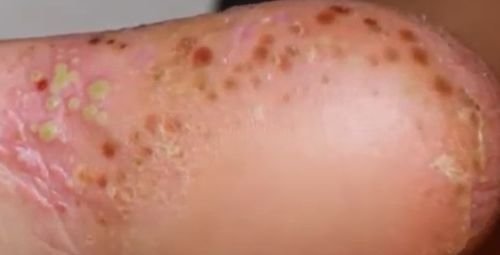
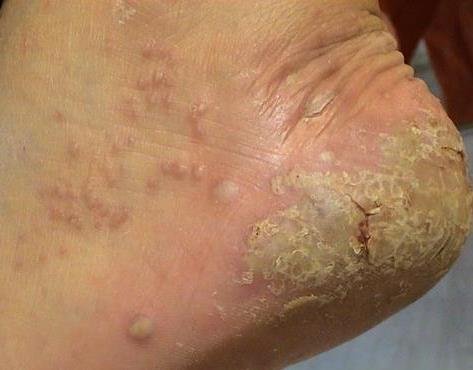
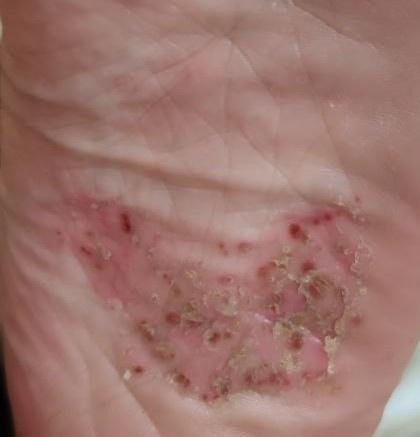
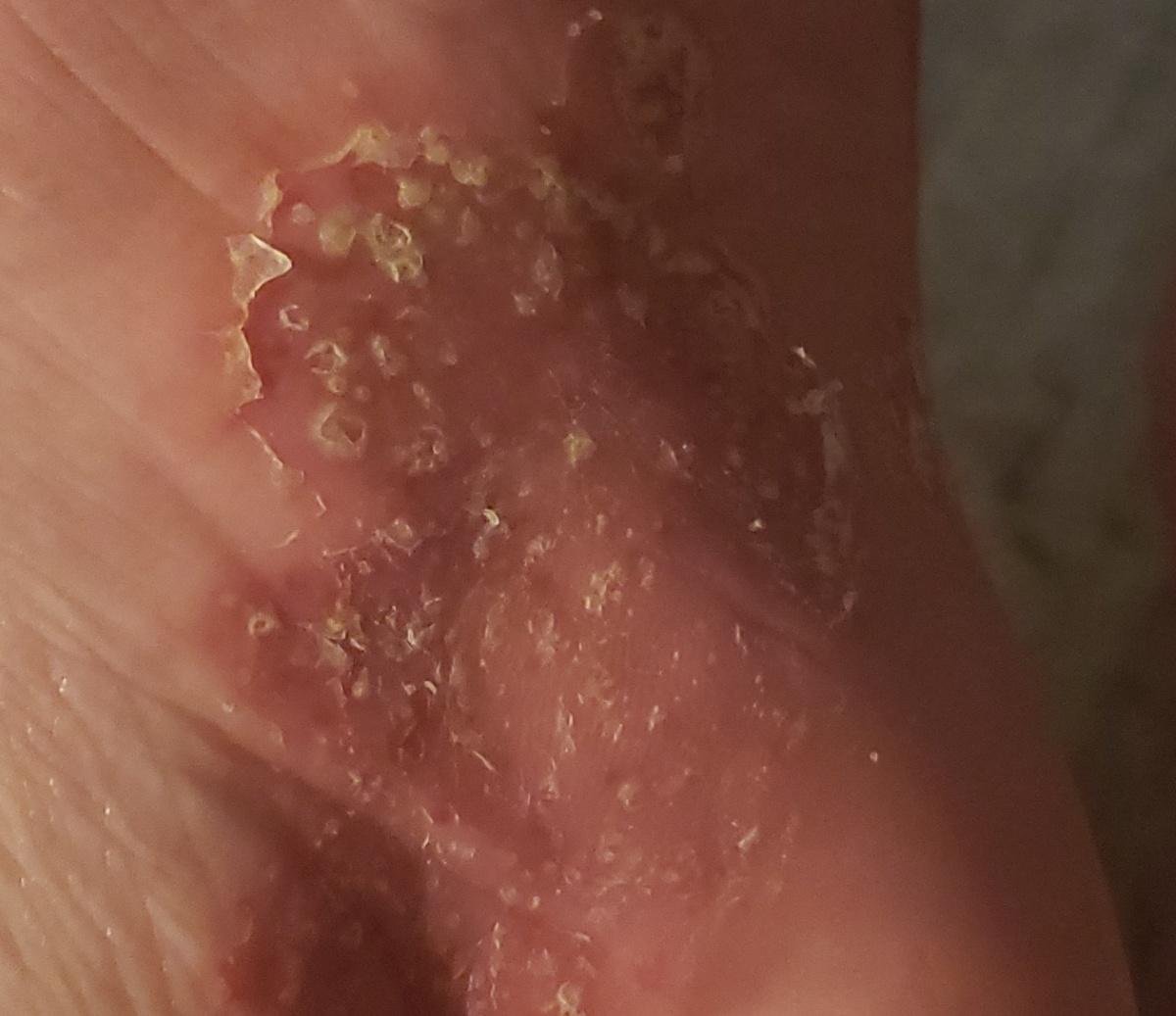
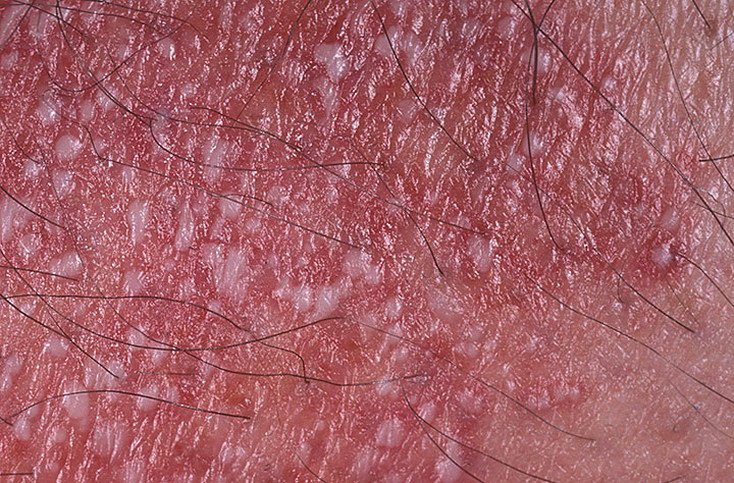
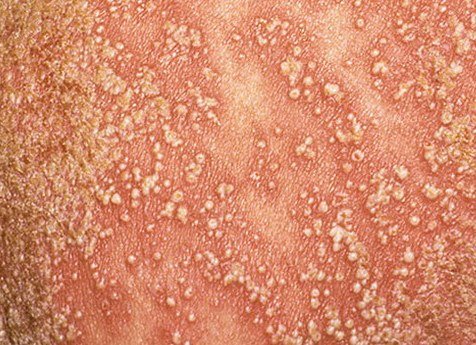
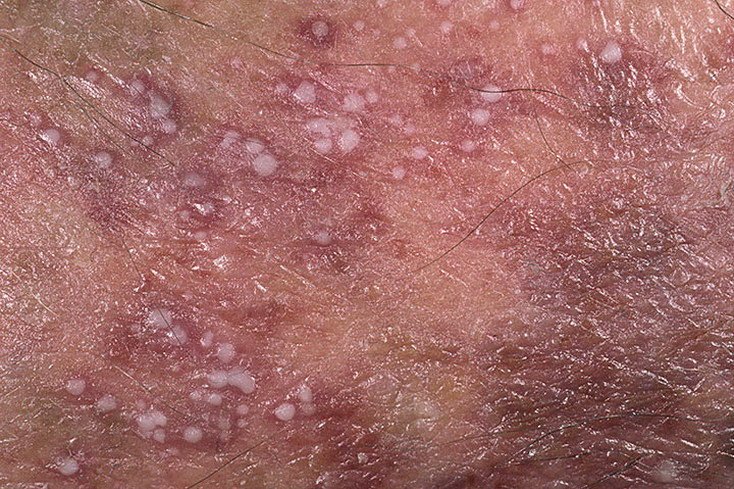
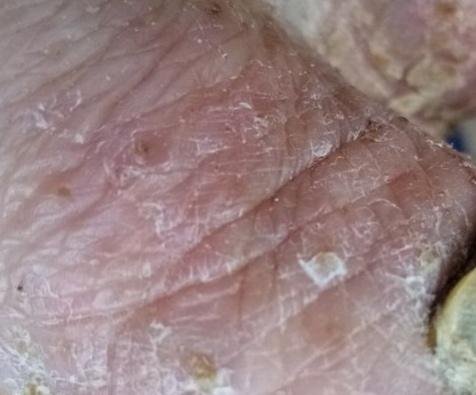
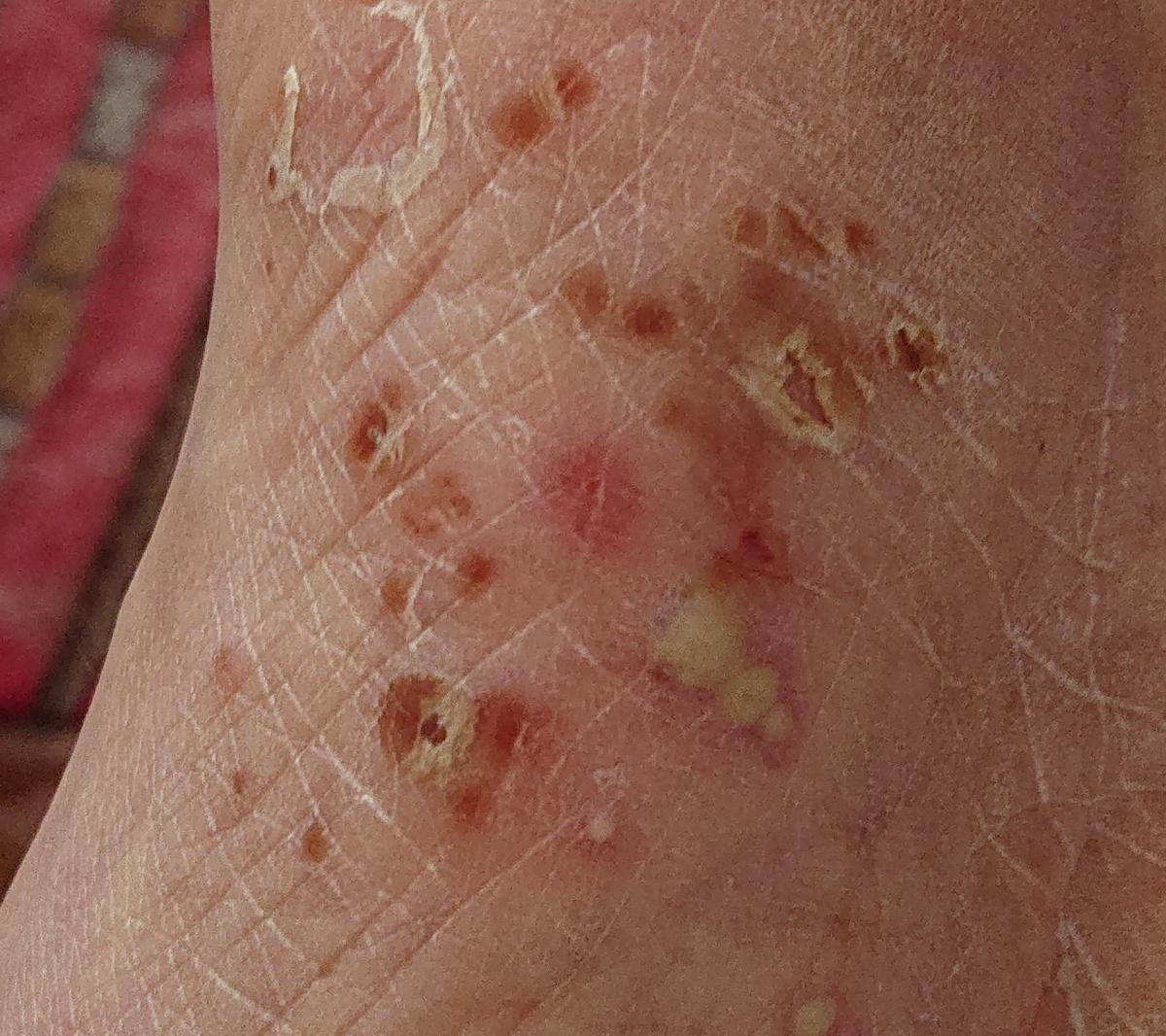
Pustular psoriasis presents with superficial sterile pustules that can be widespread or localized, often associated with fever, malaise, and systemic toxicity in generalized forms. These pustules contain neutrophilic exudate and are not infectious.
Skin findings include:
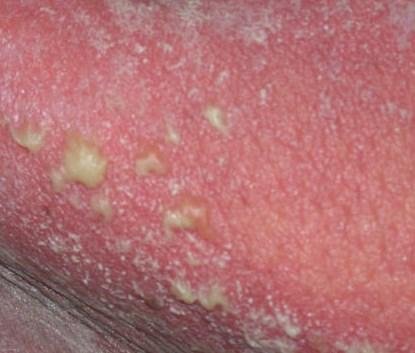
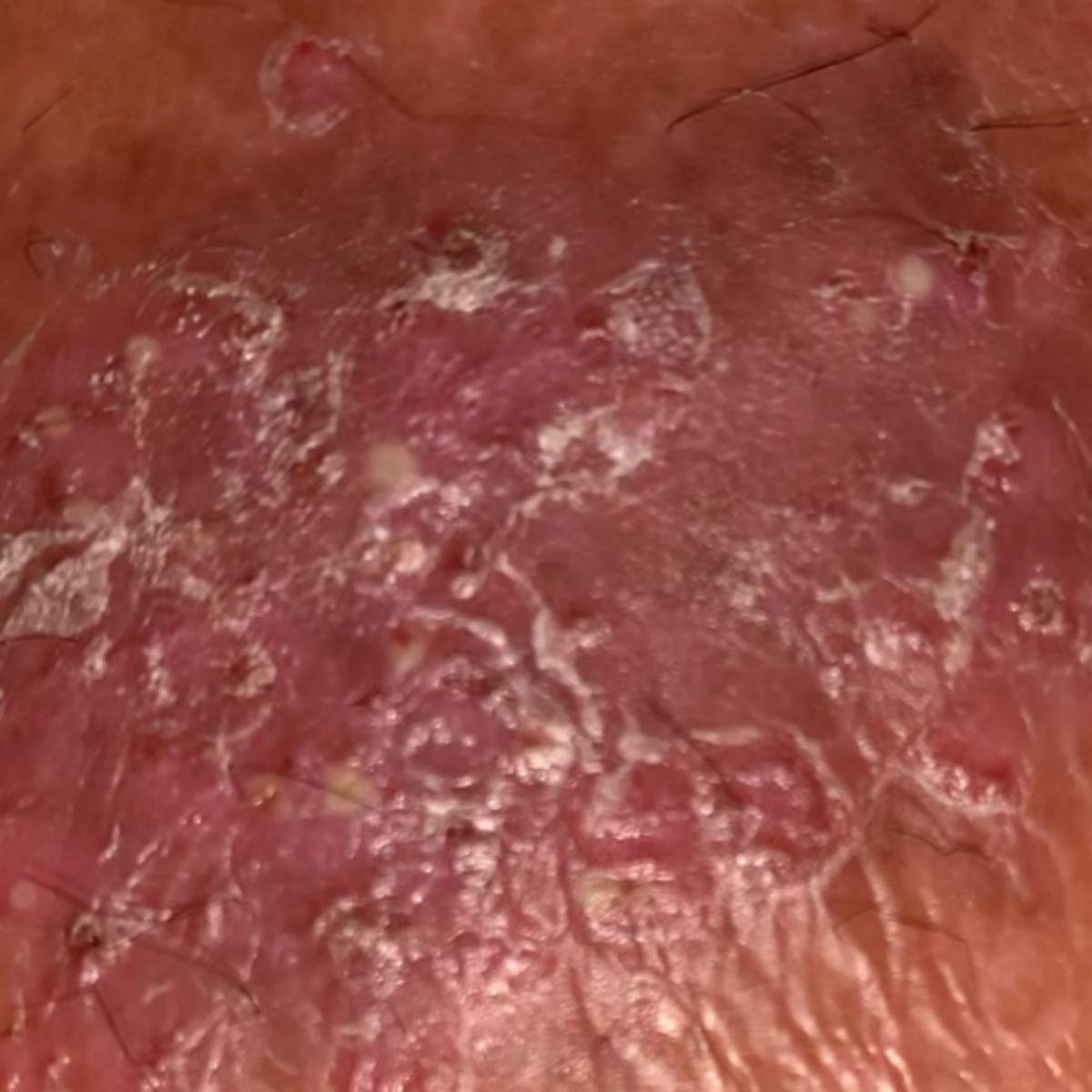
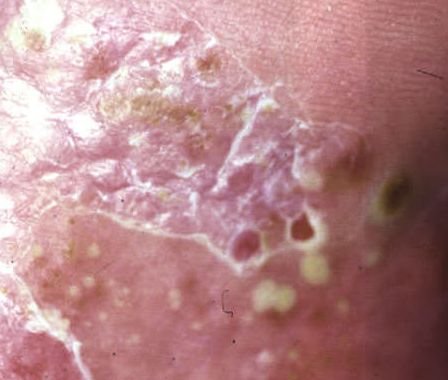
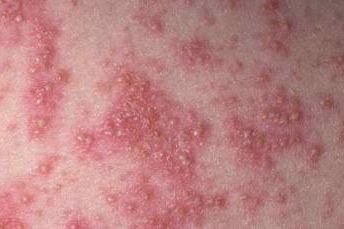
- Pustules: Raised, non-follicular vesicles filled with yellowish fluid, appearing on inflamed, red skin;
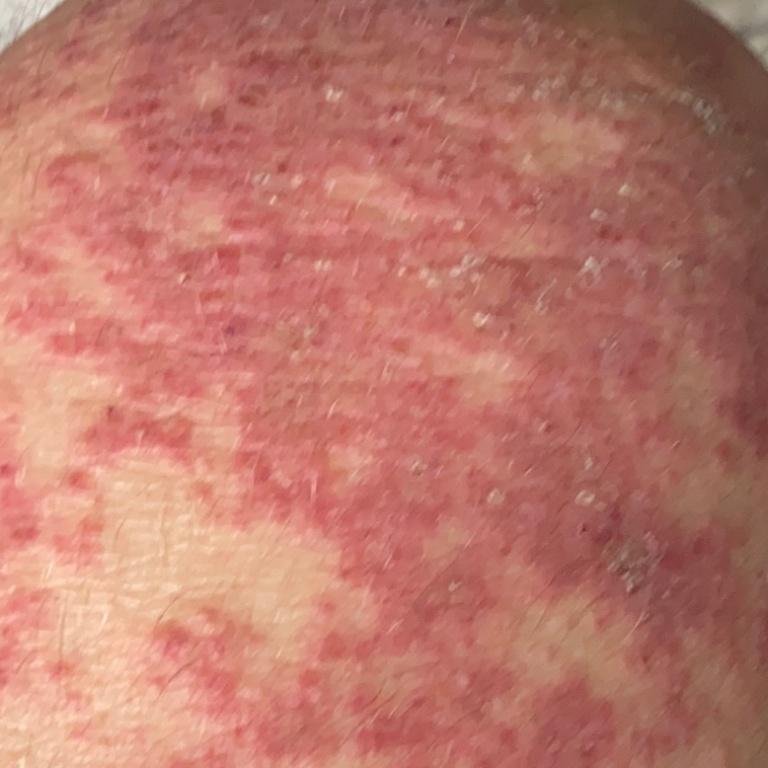
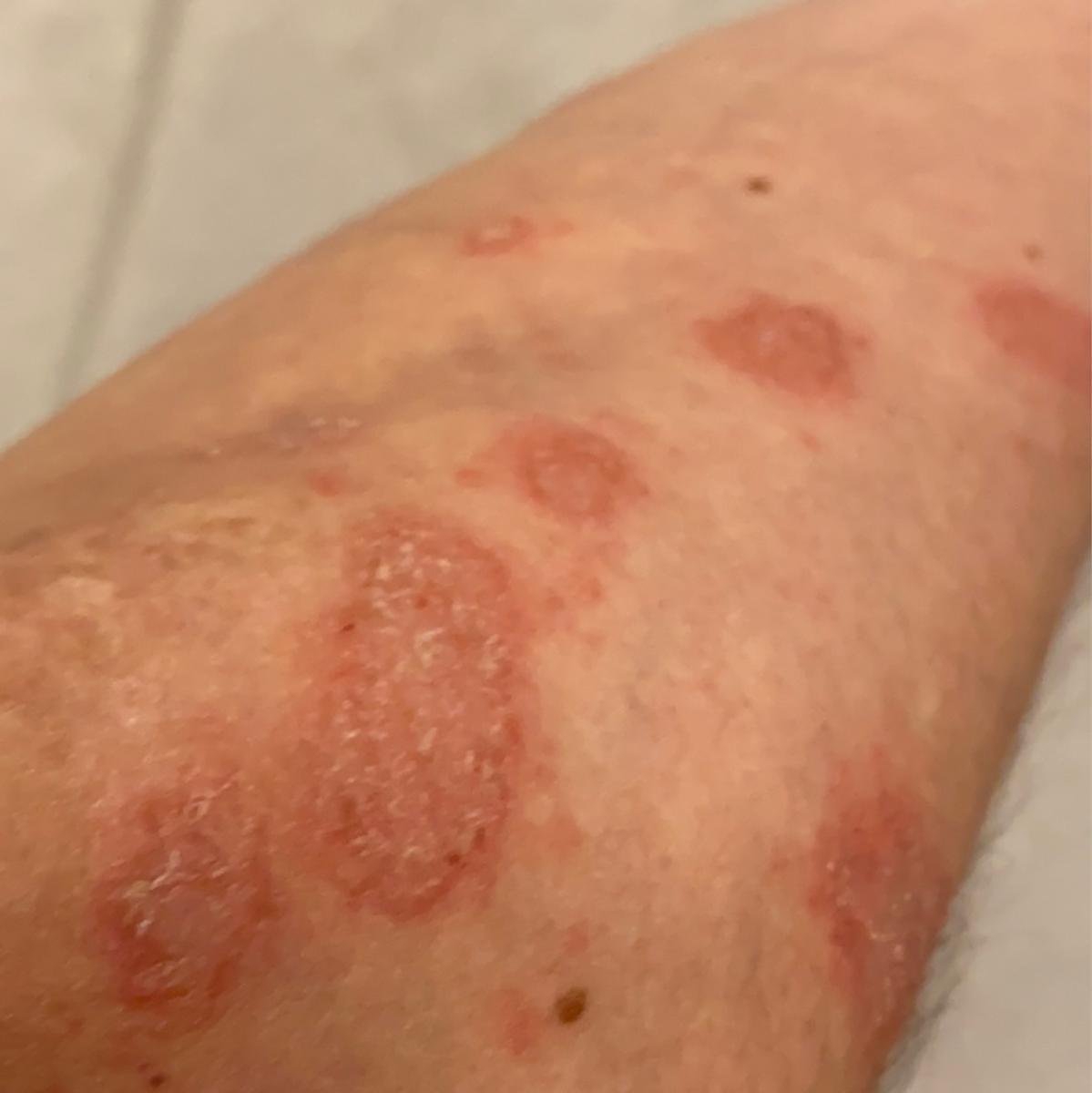
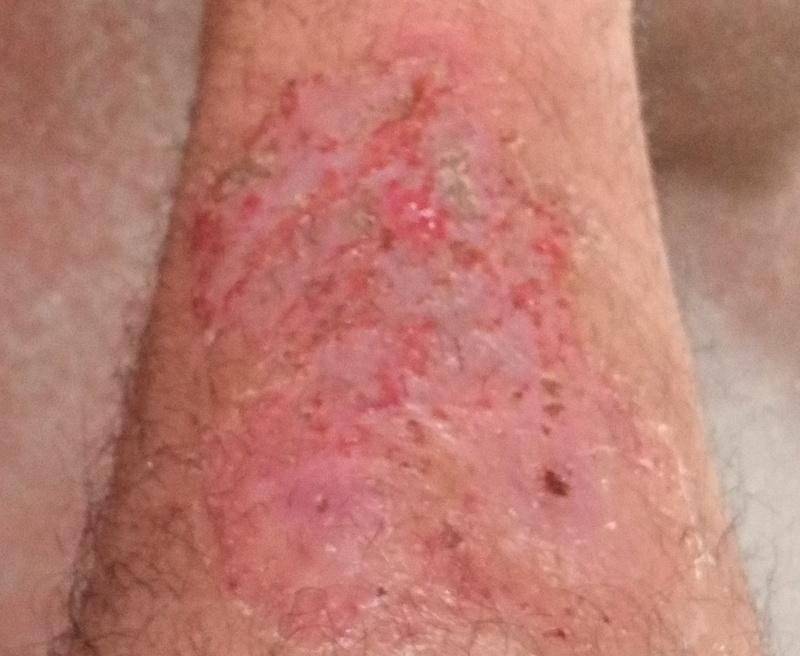
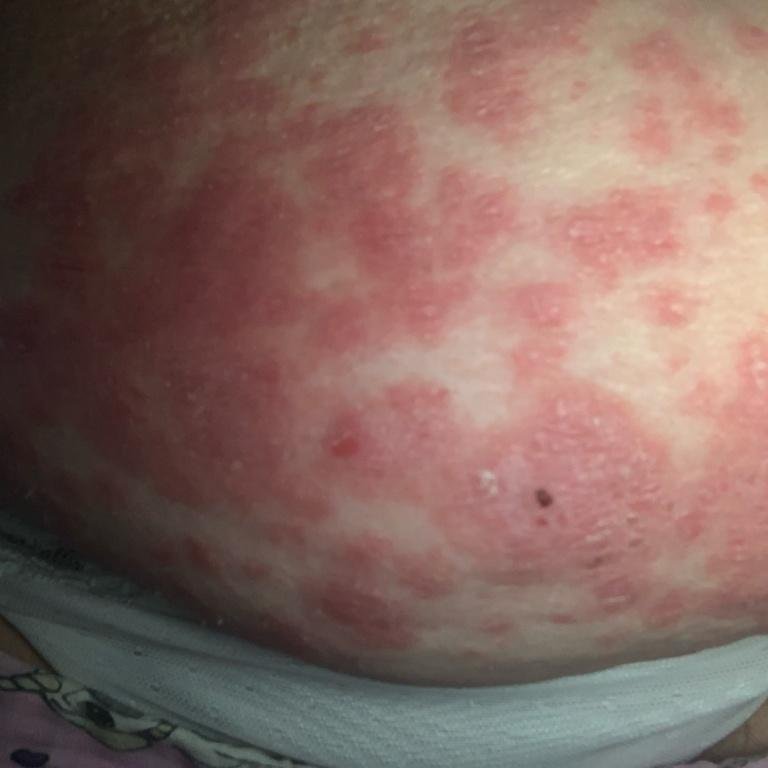
- Surrounding erythema: Bright red, warm, swollen, and exfoliative plaques around and beneath pustules;
- Peeling and desquamation: Following pustule rupture, large sheets of skin may shed;
- Common locations: Palms and soles (localized type), limbs, trunk (generalized type);
- Systemic symptoms: Chills, fatigue, arthralgia, fever, dehydration in severe forms;
- Secondary bacterial infection: May occur if pustules rupture and skin barrier is compromised.
Course: Chronic with flares, or acute life-threatening exacerbations requiring hospitalization. Without proper intervention, generalized forms can lead to serious complications and mortality.
Diagnostics
Diagnosis of pustular psoriasis is primarily clinical and based on history and the appearance of pustular lesions on erythematous skin. The presence of typical psoriatic plaques and systemic symptoms supports the diagnosis. The Auspitz phenomena of plaque psoriasis are not useful here: they relate to scaly plaques, are not specific, and have no role in assessing pustular disease.
Two conditions must be actively excluded, because they look similar and are managed differently: acute generalized exanthematous pustulosis (AGEP), a drug reaction that typically appears within days of starting the responsible medication and settles once it is stopped, and infection. Diagnostic steps include:
- Physical examination: Identifying sterile pustules, distribution pattern, systemic symptoms, and history of psoriasis;
- Urgent clinical assessment where generalized disease is suspected, including temperature, fluid balance and the extent of skin involvement. This is the first step, not an afterthought;
- Blood tests: Full blood count, inflammatory markers (ESR, CRP), electrolytes including calcium, albumin, and renal and liver function;
- Skin biopsy: Performed where the diagnosis is uncertain and to exclude the main alternatives. Histology reveals spongiform pustules of Kogoj, acanthosis, and Munro microabscesses;
- Culture of pustular contents: The pustules of pustular psoriasis are sterile; culture serves to exclude a bacterial infection presenting similarly, or a secondary one.
Differential Diagnosis
Pustular psoriasis must be differentiated from other pustular and scaly dermatoses, including:
- Dermatophyte infections: Especially tinea of hands and feet;
- Dyshidrotic eczema: Vesicles with clear fluid, pruritus, often bilateral;
- Keratoderma blennorrhagicum: Seen in reactive arthritis, affecting palms/soles;
- Impetigo and pyoderma: Bacterial infection with purulent pustules;
- Toxicoderma: Drug-induced pustular eruptions;
- Acute generalized exanthematous pustulosis (AGEP): A drug-induced pustular eruption that closely mimics generalized pustular psoriasis, usually beginning within days of the culprit drug and resolving on its withdrawal.
Treatment
The goal of treatment is to reduce pustule formation, inflammation, and keratinocyte proliferation, and to manage systemic symptoms. Treatment is individualized based on severity and comorbidities.
Acute generalized pustular psoriasis is a medical emergency. It requires hospital assessment and prompt systemic treatment, together with supportive care — fluids, correction of electrolyte disturbance, temperature control and attention to the skin barrier. Topical therapy and phototherapy are not adequate treatment for acute generalized disease; the topical measures below apply to localized forms and to supporting the skin alongside systemic treatment, not as a substitute for it.
Topical therapy:
- Keratolytic agents: Urea, salicylic acid to reduce scale and soften plaques;
- Topical corticosteroids: Mid- to high-potency agents to reduce inflammation;
- Calcineurin inhibitors: Tacrolimus for sensitive areas (off-label);
- Topical retinoids: In selected cases (e.g., tazarotene);
- Emollients: Used daily to restore barrier function and comfort.
Systemic therapy:
Indicated in:
- Generalized pustular psoriasis — from the outset, without waiting for topical treatment or phototherapy to fail;
- Psoriatic arthritis;
- Localized disease that has not responded to topical treatment.
- Oral retinoids: Acitretin is commonly used, particularly in pustular variants;
- Immunosuppressants: Methotrexate, cyclosporine in severe or recalcitrant cases;
- Biologic agents: Spesolimab, an IL-36 receptor inhibitor, is indicated specifically for the treatment of generalized pustular psoriasis flares and is given by infusion in the acute setting. The agents used more broadly in psoriasis — TNF-α inhibitors (adalimumab), IL-17 inhibitors (secukinumab), IL-12/23 inhibitors (ustekinumab), and PDE-4 inhibitors (apremilast) — have their place in longer-term control rather than in aborting a flare. Licensing and availability differ considerably between countries, and the choice follows local guidance and the individual case;
- Systemic corticosteroids: Generally avoided due to risk of rebound flare on withdrawal, but may be used in life-threatening situations under supervision;
- Phototherapy: UVB or PUVA therapy may be used in stable disease, but is typically avoided in active pustulosis.
Complications
Compared to plaque psoriasis, pustular psoriasis is associated with more serious and potentially life-threatening complications, and these belong overwhelmingly to generalized disease. Severe untreated generalized pustular psoriasis can be fatal; published mortality figures come from small series in differing settings and eras, and none of them can be applied as a single number to an individual patient today.
- Systemic inflammation: Fever, malaise and a marked acute-phase response are intrinsic to a generalized flare, not a complication of it;
- Fluid and electrolyte disturbance: Extensive skin inflammation loses fluid and protein, producing dehydration, hypoalbuminaemia and hypocalcaemia;
- Renal impairment: Chiefly from fluid loss and reduced perfusion, and a recognised reason for admission;
- Other organ dysfunction: Including hepatic and, less often, cardiac or respiratory involvement in severe generalized disease;
- Sepsis: A danger where the skin barrier is extensively broken, and part of why these patients are assessed in hospital;
- Nail changes and hair shedding may follow a severe flare, though these are consequences of the inflammation rather than routine features.
Prevention
Although pustular psoriasis is not always preventable, the frequency and severity of flares can be reduced by:
- Avoiding trigger medications: Never discontinue corticosteroids abruptly; avoid self-medication with NSAIDs, antibiotics, or hormonal drugs without medical advice;
- Managing stress: Psychological support or therapy for stress-induced flares;
- Maintaining skin barrier function: Daily use of moisturizers, avoidance of irritants;
- Smoking cessation and alcohol moderation;
- Healthy lifestyle: Balanced diet, regular physical activity, management of metabolic comorbidities (e.g., diabetes, obesity);
- Close monitoring: Regular follow-up with dermatology and lab evaluation during systemic therapy.
Conclusion
Pustular psoriasis is a severe inflammatory skin disease that may present as a localized or generalized condition. It requires early diagnosis and aggressive management to prevent complications. With advances in topical, systemic, and biologic therapies, most patients can achieve significant symptom relief and disease control. Interdisciplinary care, patient education, and adherence to therapy are essential for long-term success and improved quality of life.
Copyright concern about an image on this page? Write to mail@skinai.pro. Images may not be reused without permission unless an open licence is stated on this page.

Medical review
Board-Certified Dermatologist · Fellow of the American Academy of Dermatology (FAAD)