
New ICD-10 Code Validates Topical Steroid Withdrawal for Patients
Why this matters: a new code and a new registry for people hurt by topical steroids
If you’ve ever worried that a cream or ointment made your skin worse after you stopped using it, you’re not alone. Kelly Barta, president and executive director of the International Topical Steroid Awareness Network (ITSAN), spoke with Derm Dispatch host Renata Block about two big developments: the CDC approved a new ICD-10 code for topical steroid withdrawal (TSW), and ITSAN launched an international patient registry to study the condition.
What is topical steroid withdrawal (TSW)?
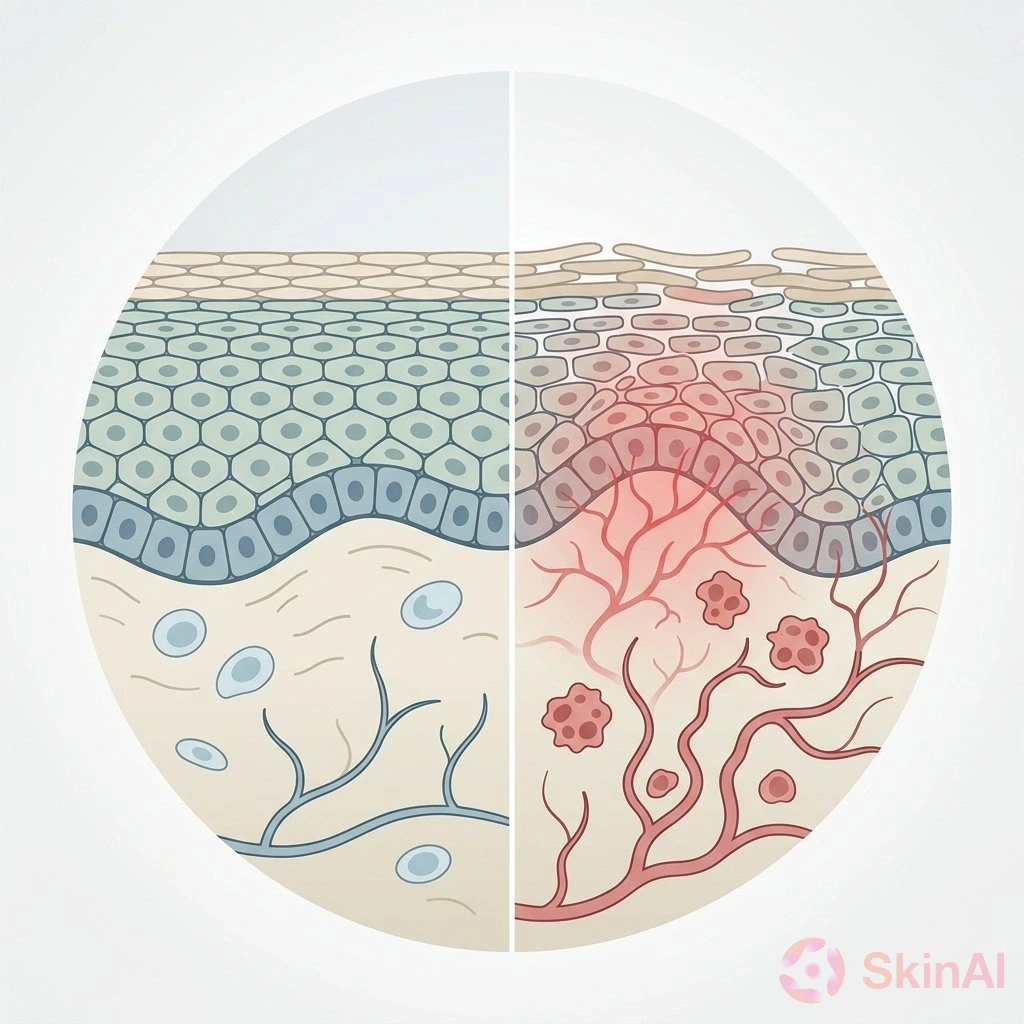
Topical steroid withdrawal (TSW) is a term patients and some clinicians use for a set of symptoms that can appear after stopping long-term or frequent use of steroid creams or ointments. People describe severe redness, burning pain, intense itch, and other problems that feel different from ordinary eczema. Some report nerve-related symptoms and trouble sleeping.
What the new ICD-10 code means
The CDC approved a specific ICD-10 code for TSW earlier this year. (The ICD-10 is the standard system doctors use to record diagnoses in medical records.) The approval came after three formal reviews and a split decision among reviewers before gaining support from the American Academy of Dermatology.
Having a code matters in a few ways. It lets clinicians document the condition in medical records, helps researchers track how often it happens, and strengthens advocacy efforts with regulators like the FDA. Barta said the code offers patients important validation: “Having a code in the health system is so much validation for patients.”
The new international registry — what it is and why it was created
ITSAN spent four years building an IRB-approved patient registry with input from clinicians, researchers, and patient advocates. The registry is hosted on the National Organization for Rare Disorders’ IAmRare platform and uses 14 longitudinal surveys. Those surveys ask about medical history, how people used steroid creams, and what happened after they stopped using them.
Since launching last December, about 500 people have joined. ITSAN’s goal is to reach 5,000 participants worldwide so researchers can look for patterns and better understand who is affected and how.
What the registry might reveal
Because the registry is international, it may show regional differences in TSW. For example, topical steroids are sold over the counter in some countries, and some skin-lightening products contain high-potency steroids. Reports estimate that in some African countries as many as 30% of people use skin-lightening creams that contain strong steroids.
Gathering data from many countries could also help separate TSW from severe eczema. The registry asks about symptoms that are more typical of withdrawal (such as burning pain, nerve involvement, and insomnia), which may help researchers and clinicians tell the conditions apart.
How clinicians can better talk with patients
Many people feel uncomfortable talking about steroid use with their doctors. A survey by the National Eczema Association and the National Psoriasis Foundation found that more than half of patients feel uneasy discussing it. Words like “misuse,” “abuse,” or “steroid phobia” can feel blaming to someone who followed instructions and still had problems.
Barta recommends that clinicians acknowledge that TSW is a condition patients are worried about and start by listening. “The best thing a clinician can do is just stop and start listening,” she said. Barta shared that she used steroid creams for 26 years and that her worry was not about using them but about what would happen if she stopped.
She also asks clinicians to let patients know about the ITSAN registry and the organization’s online resources. ITSAN will include a session for health care professionals at an upcoming TSW summit in Atlanta to review current research and clinical guidance.
Community events and support
ITSAN is hosting the Healing the Skin We’re In Summit on July 24 and 25 at the Maison Event Center in Duluth, Georgia. The event is geared toward people living with TSW or eczema, and caregivers and family members are welcome. Sessions are designed for children ages 2 and older, with separate talks for teens and adults. Students, residents, and clinicians may also attend.
Keeping track of changes to your skin
If you’re worried about how your skin changes over time, consider keeping photos or a simple diary of symptoms and treatments. That can help you notice patterns and make it easier to share details with a clinician during an appointment.
When to see a doctor
Talk with your doctor or a dermatologist if you have severe symptoms, signs of infection (such as increasing pain, pus, fever, or spreading redness), bleeding, rapid changes in a rash, or symptoms that you can’t manage at home. Treatment decisions should be made with a clinician who knows your personal health history.
Important note
This article summarizes an interview and related announcements. It’s for information only and is not medical advice. Treatment choices should always be discussed with your doctor or dermatologist.
Sources
- (Source: Interview on Derm Dispatch between Renata Block, DMSc, MMS, PA-C and Kelly Barta, ITSAN president and executive director)
- (Source: CDC approval of new ICD-10 code for topical steroid withdrawal)
- (Source: Support from the American Academy of Dermatology for the ICD-10 designation)
- (Source: ITSAN — IRB-approved patient registry hosted on the National Organization for Rare Disorders’ IAmRare platform)
- (Source: National Eczema Association and National Psoriasis Foundation survey on patient feelings about discussing steroid use)
- (Source: ITSAN announcement of the Healing the Skin We’re In Summit, July 24–25)