
Pediatric Eczema: Skin Barrier Care and Early Biologic Treatment
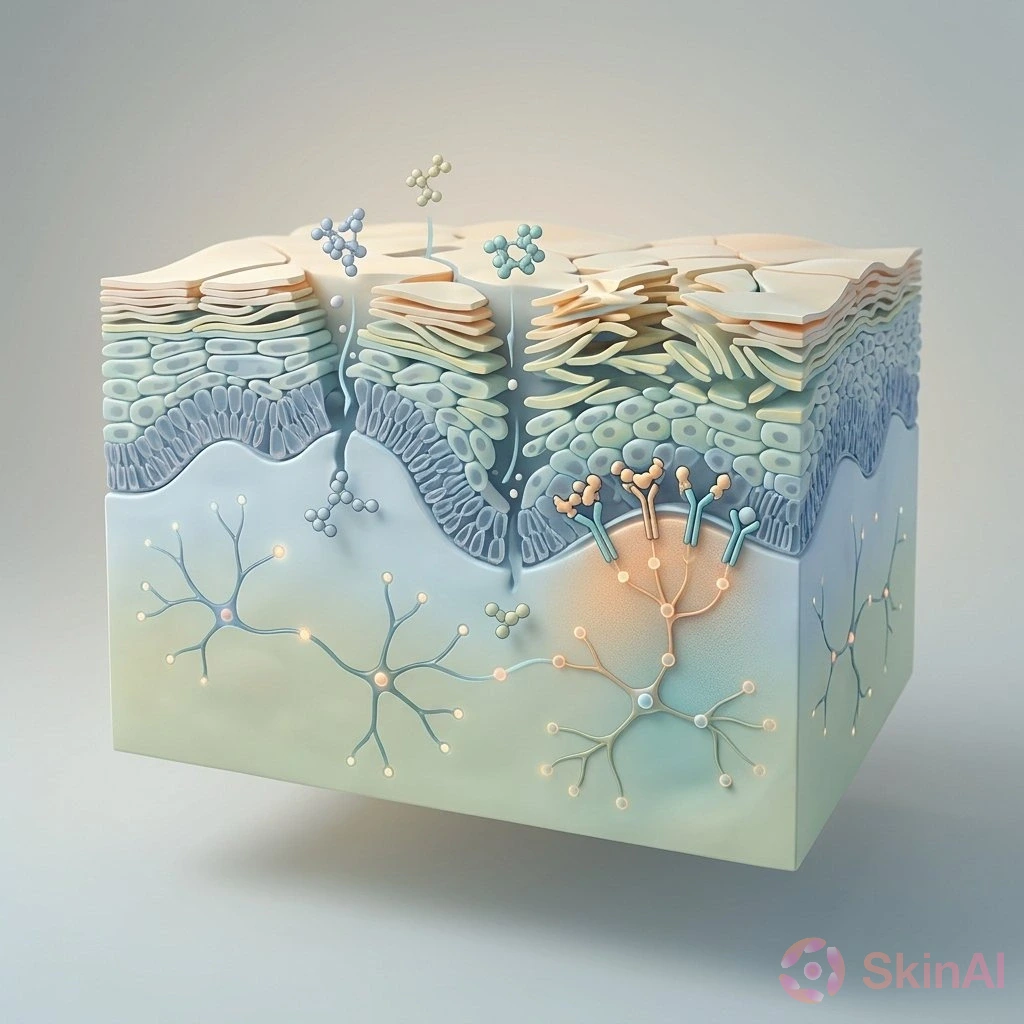
Atopic dermatitis, often called eczema, can make life uncomfortable for children and their families. Caring for the skin, considering whether certain foods play a role, and finding the right treatment are all part of the conversation.
Dermatologist Mark Lebwohl, MD, recently discussed how he approaches these issues in children. He is Dean for Clinical Therapeutics at the Icahn School of Medicine at Mount Sinai and Chairman Emeritus of Mount Sinai’s Department of Dermatology. His comments describe his approach to care rather than a set of recommendations for every family. (Source: Mark Lebwohl’s discussion of pediatric atopic dermatitis)
Does food play a role in eczema?
Most dermatologists care for children, and some work with pediatric allergists, doctors who specialize in allergies in children. At Mount Sinai, infants are often referred to a pediatric allergy team to help determine whether food may be contributing to their eczema.
According to Lebwohl, diet does not play a role in the vast majority of eczema cases. Still, there is a small but real group of children whose symptoms are affected by certain foods. When food is found to be a factor, families are taught how to avoid the foods that make the child’s condition worse. (Source: Mark Lebwohl’s discussion of pediatric atopic dermatitis)
Families who wonder whether food is affecting a child’s skin can discuss their concerns with the child’s doctor or an allergist before making changes to the child’s diet.
Protecting the skin barrier
The skin barrier is the outer layer of skin that helps hold in moisture and protect against irritation. Lebwohl gives every person he sees for atopic dermatitis, including both children and adults, a sheet with instructions on caring for this barrier.
The instructions cover using soap substitutes rather than regular soap and keeping baths or showers brief and not too hot. They also describe applying a prescribed cream or ointment, or a moisturizer, immediately after bathing.
Some moisturizers contain ceramides, which are fats found naturally in the skin. Lebwohl believes these ingredients help support the skin barrier. His instructions also cover laundry materials, the use of humidifiers during winter, and air conditioning during summer. (Source: Mark Lebwohl’s discussion of pediatric atopic dermatitis)
When bacteria affect the skin
Some people with eczema have Staphylococcus aureus, often called staph, living on their skin. Having the bacteria on the skin does not always mean there is an infection.
When eczema-affected skin has become infected with bacteria, a situation Lebwohl described as “impetiginized,” he may prescribe a bleach bath to help reduce the amount of bacteria. A doctor can determine whether this approach is appropriate and provide instructions if it is prescribed. (Source: Mark Lebwohl’s discussion of pediatric atopic dermatitis)
Why early treatment matters
Lebwohl also discussed early treatment and a pattern known as the atopic march. This term describes how some children with eczema go on to develop other allergic conditions, such as asthma.
He referred to a research poster by Eric Simpson about dupilumab, a biologic medicine used to treat atopic dermatitis, in infants and young children. Biologics are medicines that act on specific parts of the immune system.
According to Lebwohl’s description of the poster, fewer children who received the treatment went on to develop asthma. He considered the reduction reported in children ages 2 to 5 especially noteworthy. He also cautioned that the finding needs further proof. If later research supports it, he said, it would add to the reasons for treating eczema early. (Source: Eric Simpson’s research poster, as discussed by Mark Lebwohl)
For Lebwohl, the reasons to address eczema early also include concerns about growth, height, and quality of life. He described how uncomfortable children can be and how the condition can disrupt sleep for both children and their parents.
He said available medicines can work quickly and expressed the view that families and doctors should not wait until eczema becomes severe before considering treatment. The choice of treatment, including whether a biologic is appropriate, depends on the individual child and should be discussed with their doctor or dermatologist. (Source: Mark Lebwohl’s discussion of pediatric atopic dermatitis)
Talking with parents about treatment
Lebwohl said the newer data have not greatly changed his own practice, although they may make it easier to discuss biologic treatment with parents when he believes it is needed.
He noted that parents often care about their child’s height and said that discussing growth in relation to biologics, skin-applied treatments, and corticosteroids taken by mouth or given by injection can help them feel more comfortable with a treatment decision. His comments do not establish that a biologic will make an individual child taller. Families can ask their child’s doctor about the potential benefits and risks of each option. (Source: Mark Lebwohl’s discussion of pediatric atopic dermatitis)
When to speak with a doctor
A doctor or dermatologist can help a family understand what may be contributing to a child’s eczema and discuss a care plan. Seek professional advice if the skin appears infected, becomes painful, bleeds, changes quickly, or if there is uncertainty about what is causing a rash.
This article is for general information and is not a substitute for medical advice. Treatment decisions should be made with a qualified health professional.
Sources
- Mark Lebwohl, MD, discussion of pediatric atopic dermatitis, skin barrier care, diet, and treatment. The discussion included reference to a research poster by Eric Simpson on dupilumab in infants and young children.